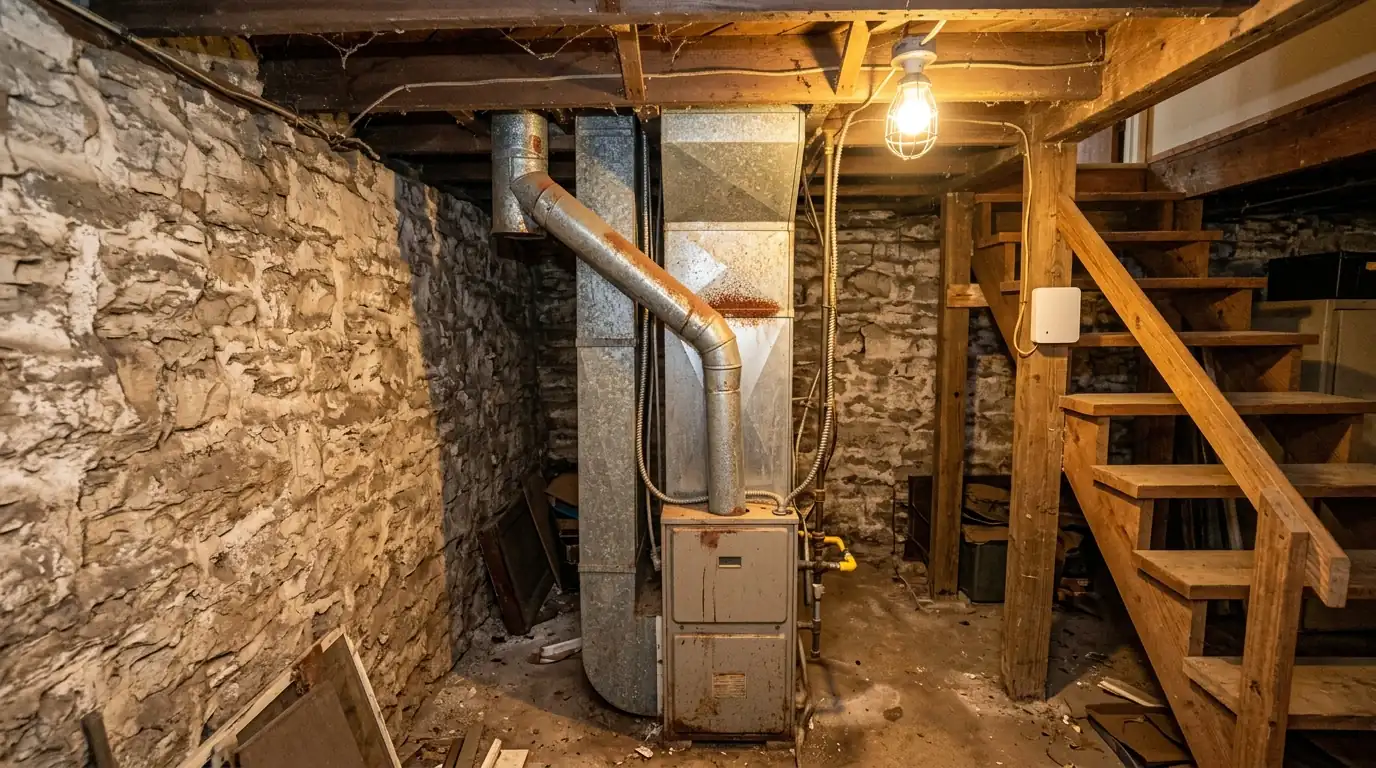
Furnace smells and carbon monoxide: when to leave
Some furnace smells are harmless and fade within the hour. Others mean shut the system off, and a few mean get everyone out of the house first and ask questions later.
Cooling
Heating
Heat Pumps
Ductless & Controls
Ductwork & Airflow
Indoor Air Quality
Emergency & Projects
Counties
Nearby towns
Lexington neighborhoods
Comfort Blog
Practical answers to the questions we hear on service calls, written for Kentucky weather and the houses that sit in it.
Edited by Alton Gilley, Comfort Blog Editor
Every article is written and kept up by Alton Gilley, our Comfort Blog Editor, from the questions homeowners ask our technicians on real calls.
Some furnace smells are harmless and fade within the hour. Others mean shut the system off, and a few mean get everyone out of the house first and ask questions later.
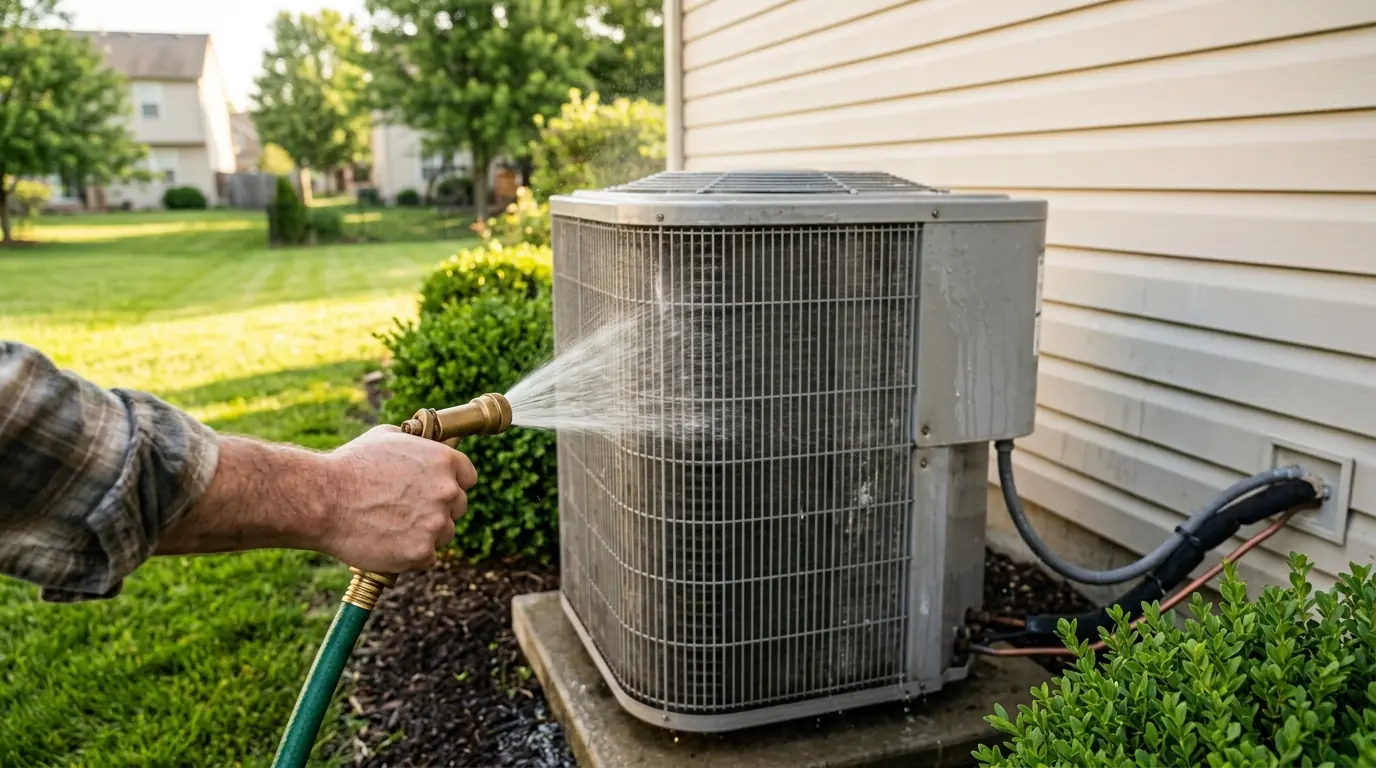
The first stretch of 85-degree, sticky days is when weak capacitors, clogged drains and dirty coils give out. A short homeowner checklist and one test run catch most of it early.
Plaster walls, radiators and tight attics make conventional ductwork hard to fit in Lexington houses from the 1910s to the 1940s. These are the cooling options that actually work in them.
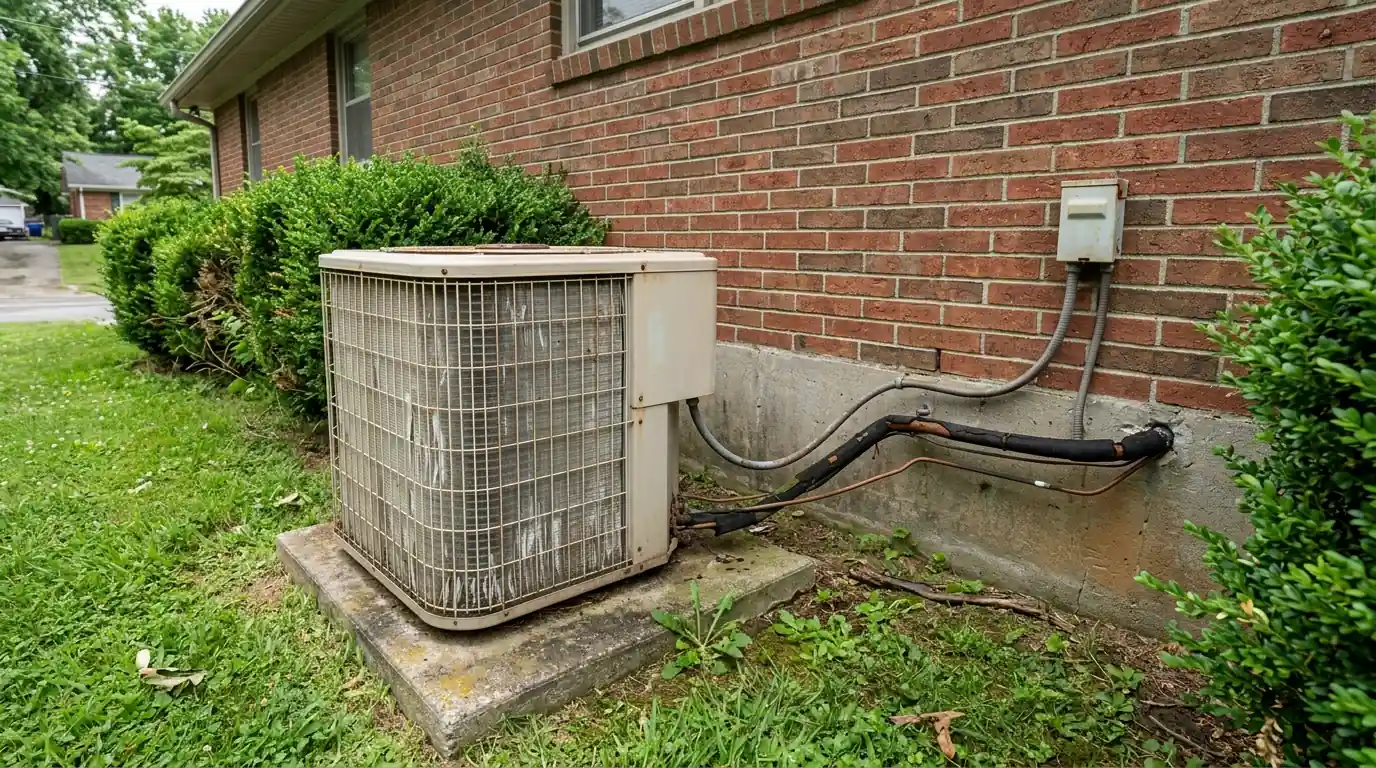
R-22 systems can still run for years, but every repair now carries a refrigerant question. Here is how to tell what you have, what a leak means, and how to plan the switch on your terms.
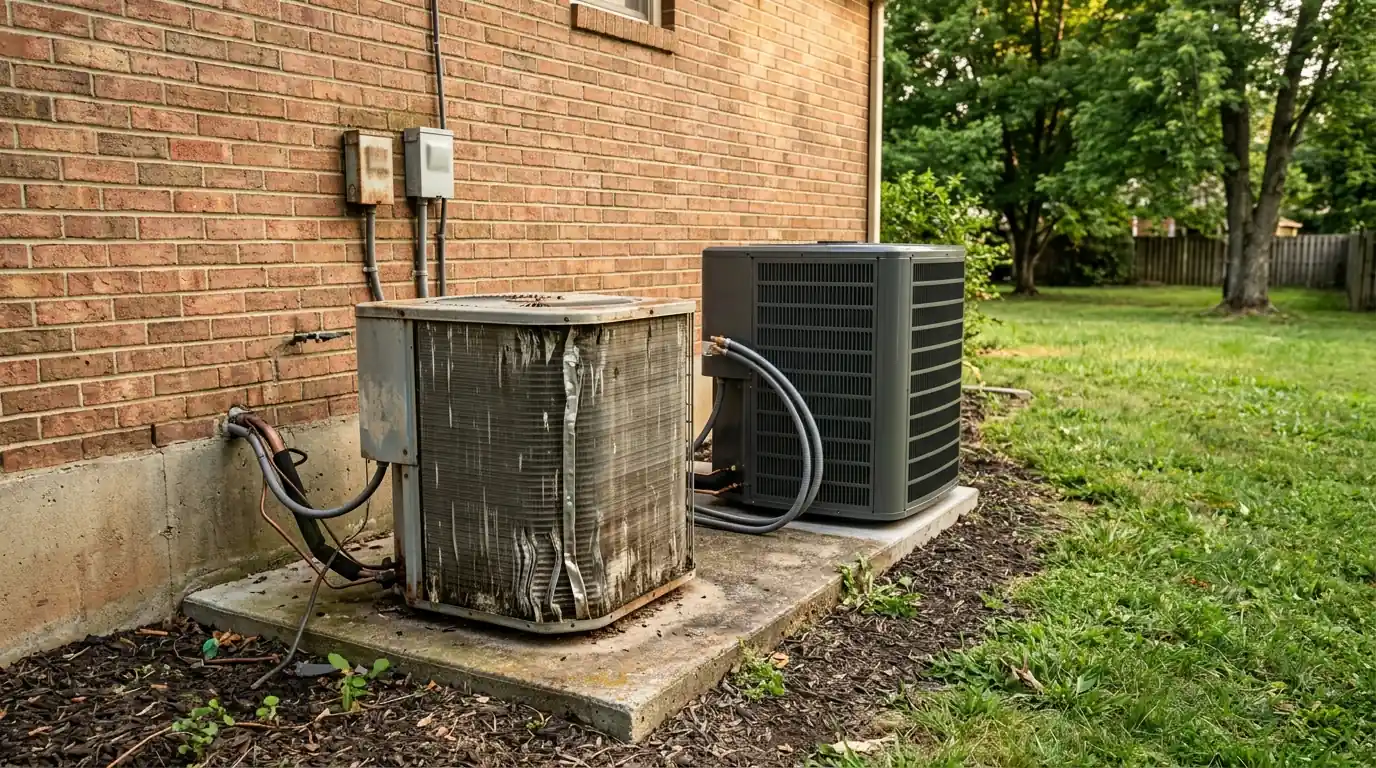
A large repair quote on an old system forces a fast decision. These are the factors we weigh with Lexington homeowners, roughly in the order they matter.
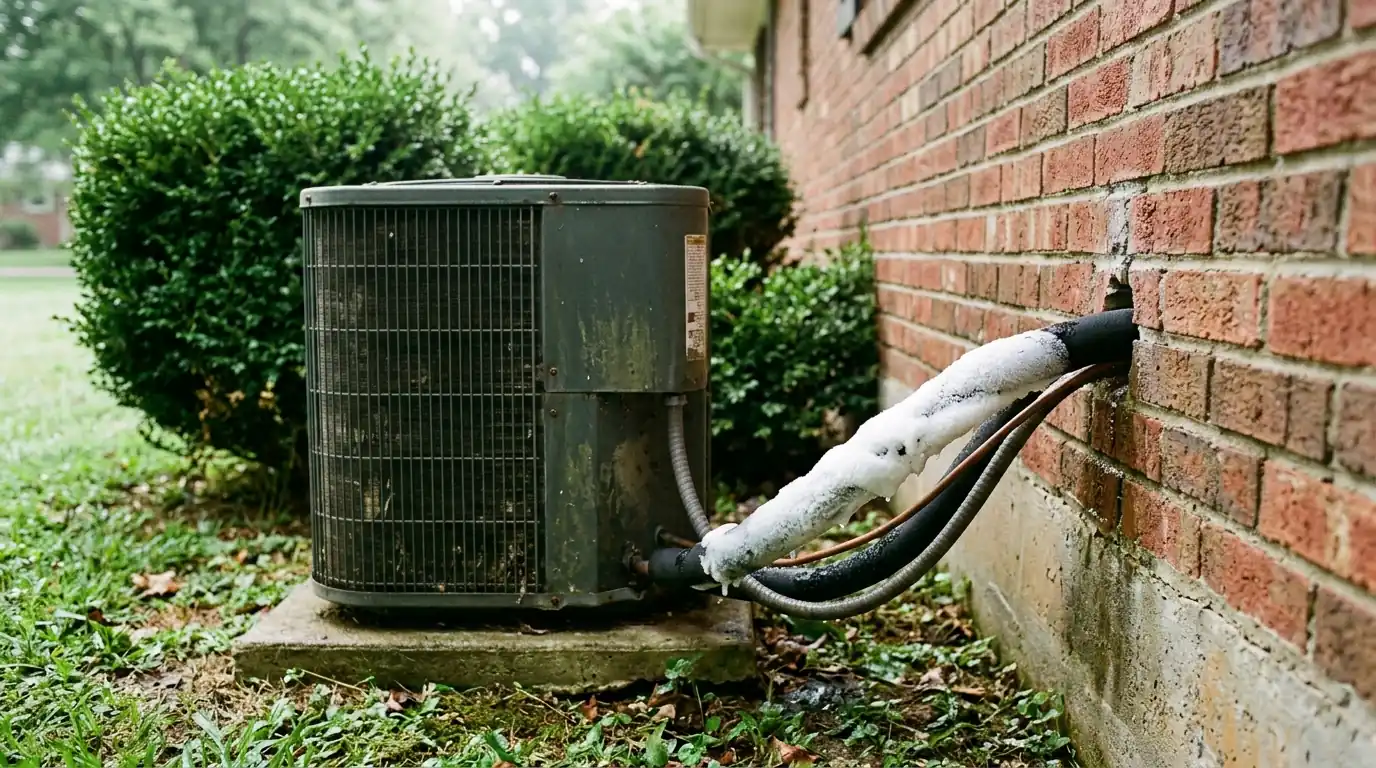
A frosted copper line looks alarming, but it is a symptom rather than the problem. Here is what usually causes it, how to thaw the system safely, and what to leave alone.
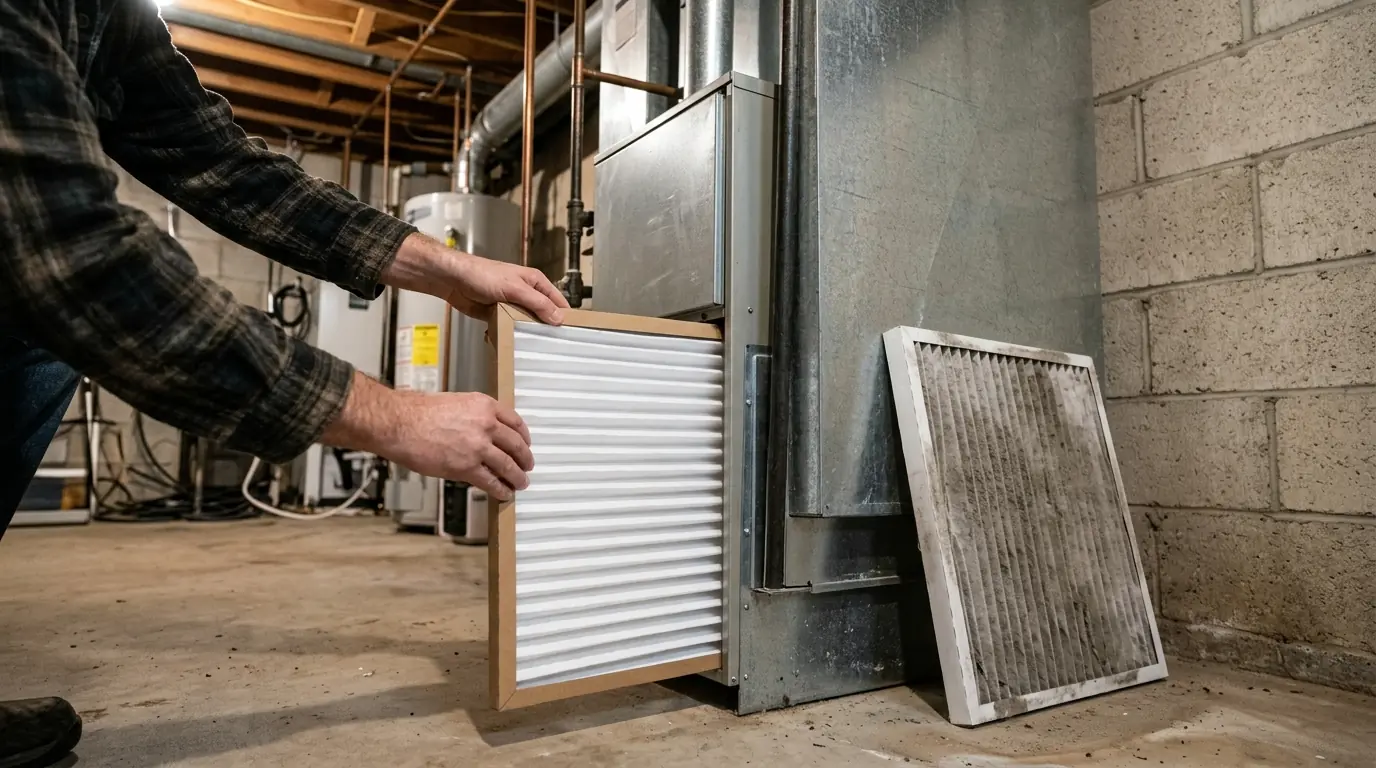
The filter is the cheapest part of your heating and cooling system, and the one most often ignored. Getting the size, thickness and change schedule right protects the equipment and the air you breathe.
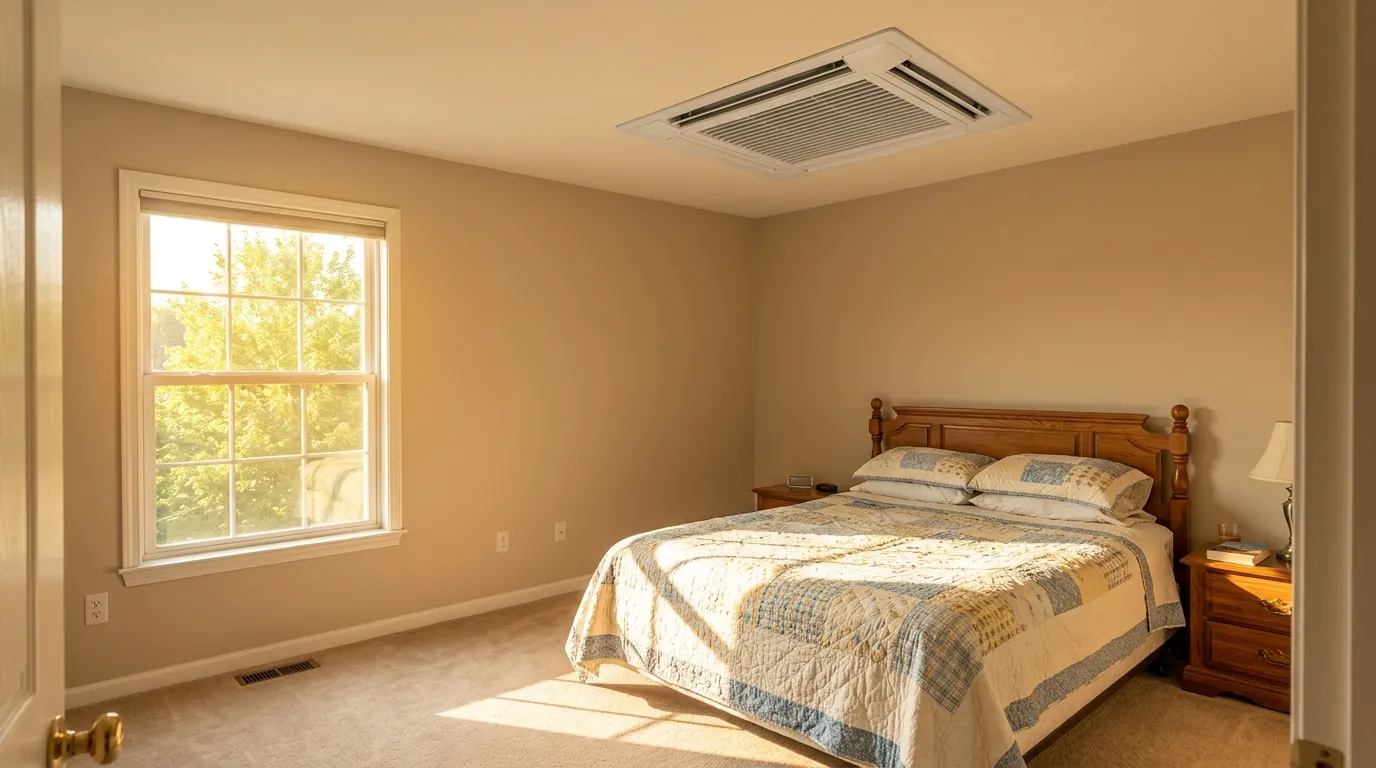
A two-story house with one system and attic ducts has the odds stacked against its second floor. Here is how to measure the problem and which fixes actually close the gap.
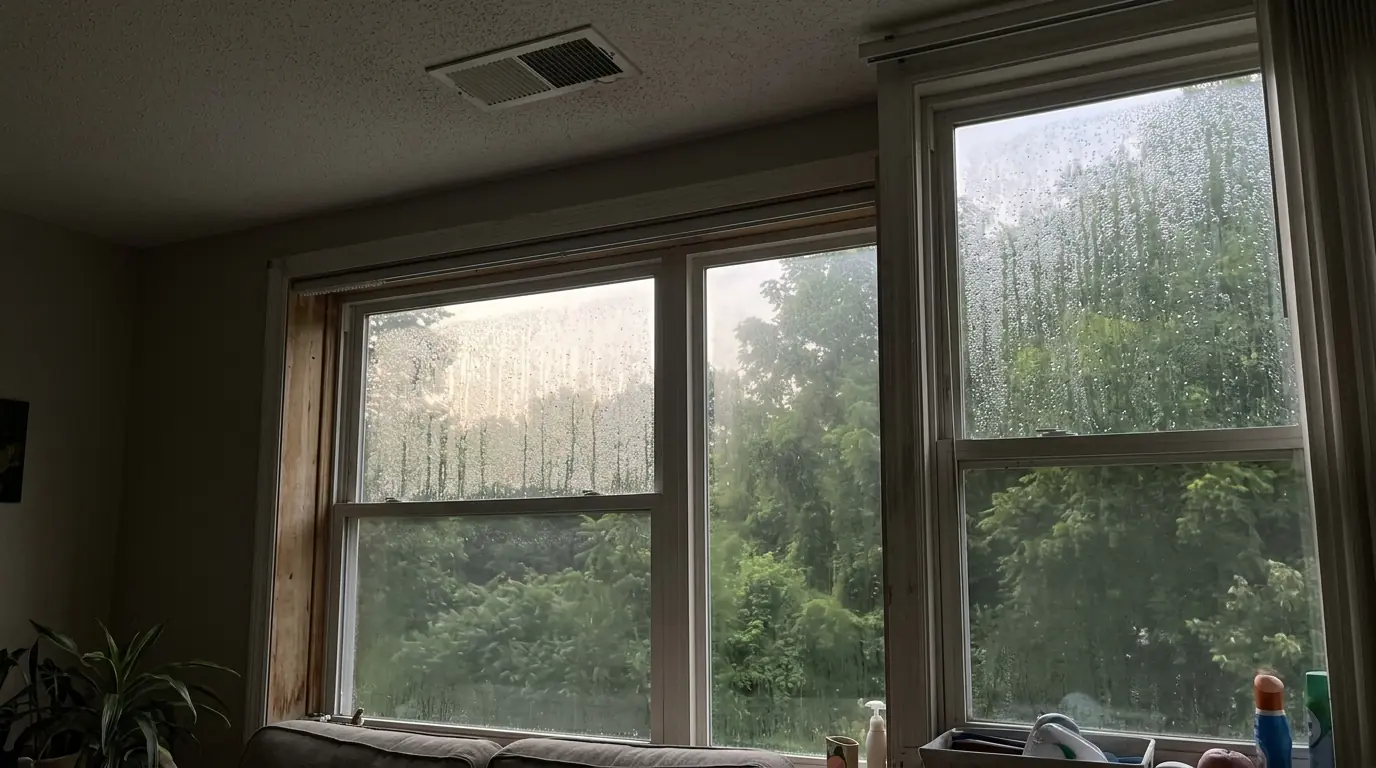
A thermostat can read 72 while the air still feels sticky. In central Kentucky, that usually means the system is cooling the air without pulling enough moisture out of it.
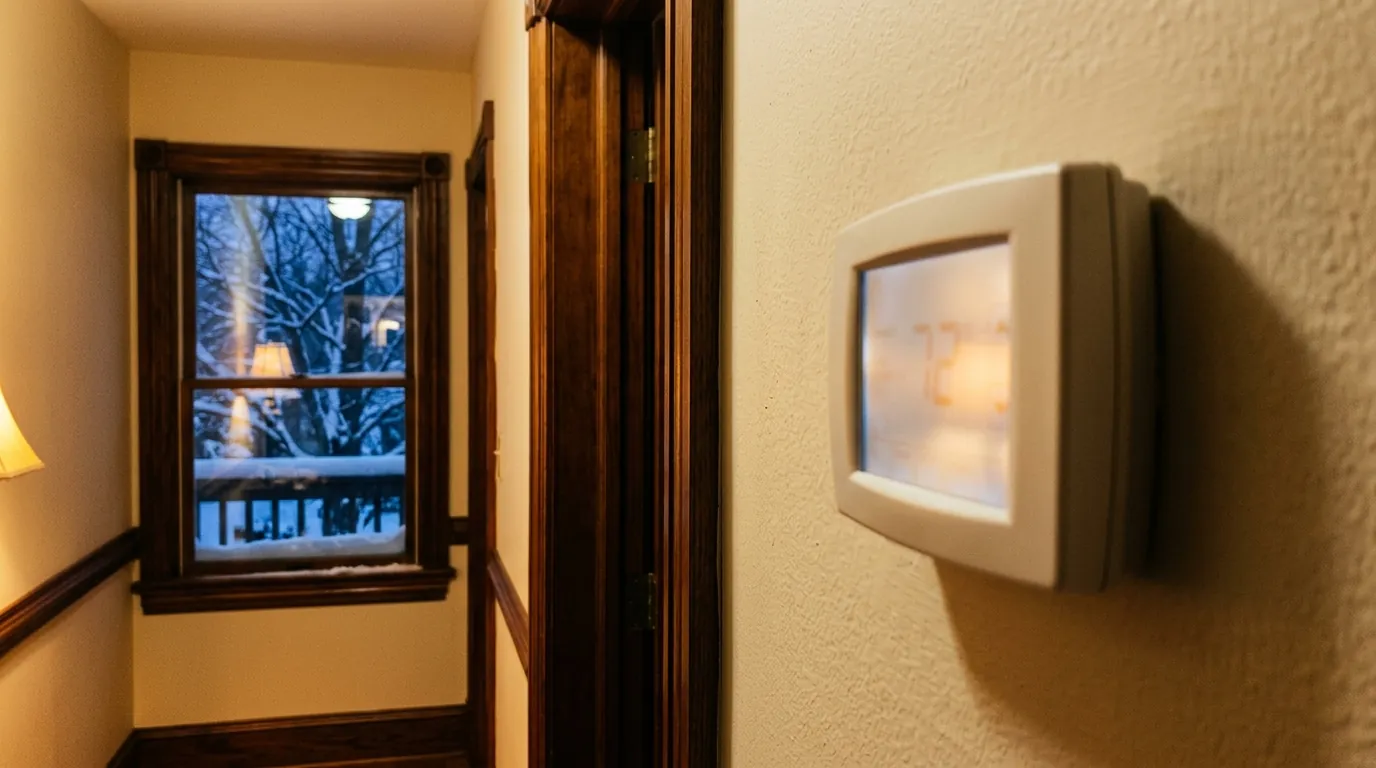
Those two small labels on a heat pump thermostat cause more winter confusion than almost anything else. One is automatic and expected. The other is a manual setting you should rarely need.
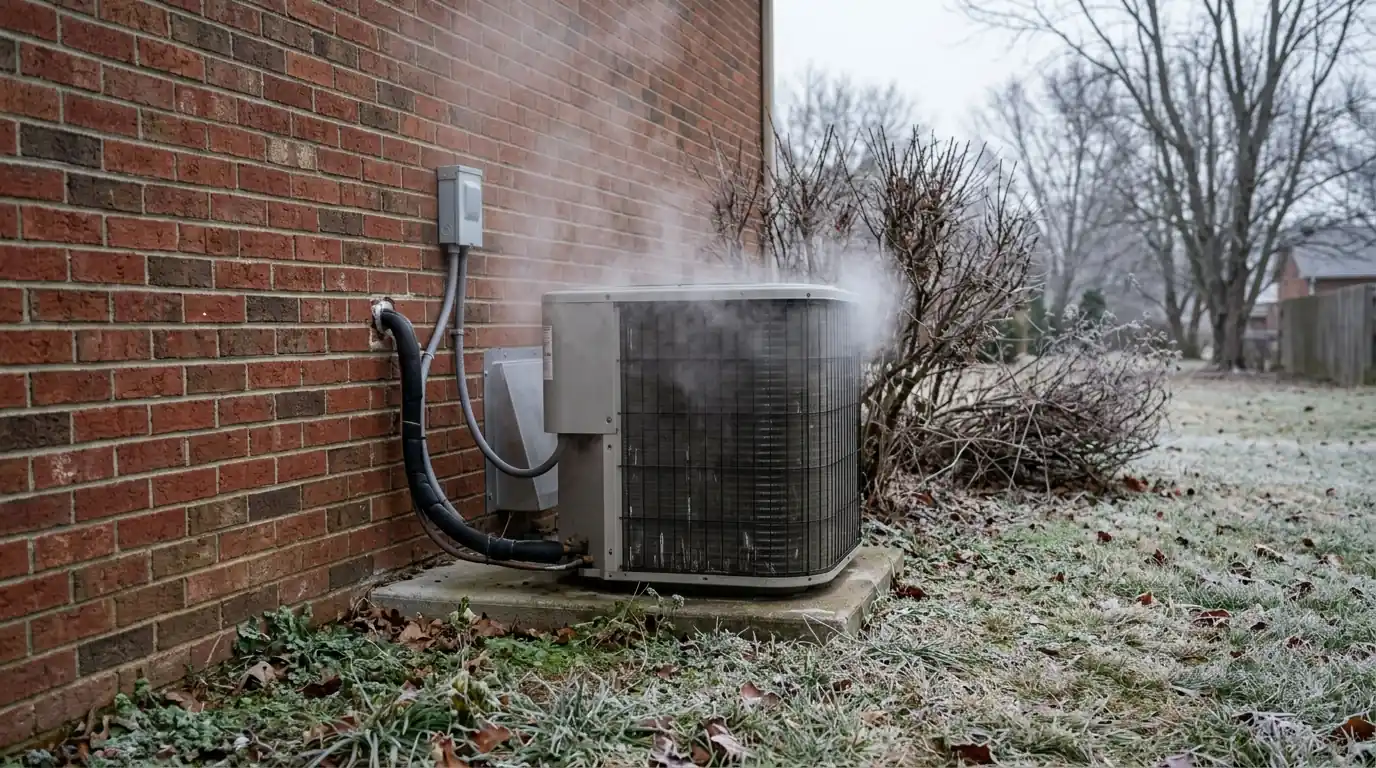
Lukewarm air from a heat pump is usually normal, and steam rising off the outdoor unit usually is too. Here is how to tell normal operation from a problem worth a service call.
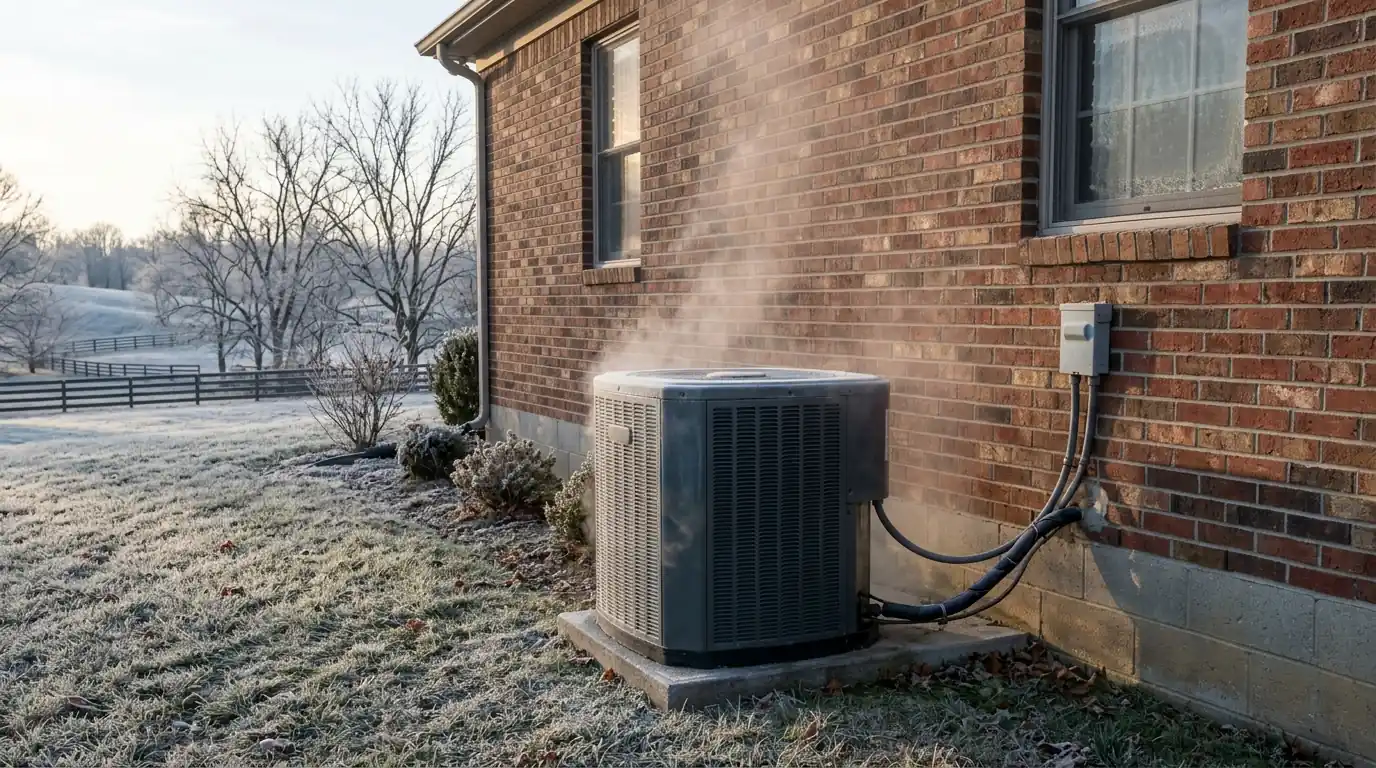
A heat pump keeps more moving parts outdoors than a furnace, and some of its loudest sounds are perfectly healthy. This guide sorts the routine noises from the ones that need a shutoff and a call.
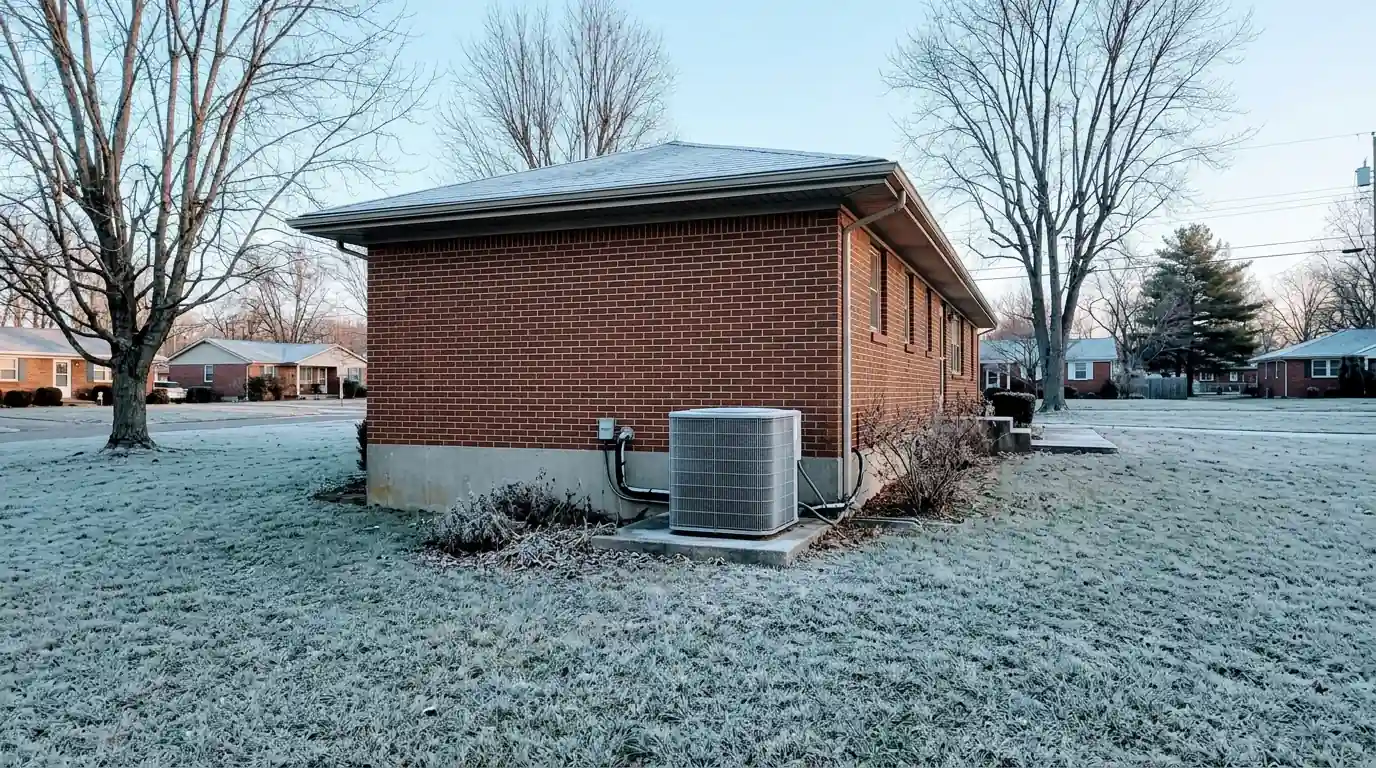
Both systems heat central Kentucky homes well. The better pick depends on your gas line, your ductwork, how your house handles a January cold snap and how hot you like the air at the registers.

Most sizing mistakes start with a quick square-footage guess. Here is what a real load calculation looks at, why bigger equipment often feels worse, and how ducts and floor plans change the answer.
Call (859) 377-8167 and ask. If a question keeps coming up on our calls, it becomes the next article here.