Lexington neighborhood · Fayette County
Furnace repair and ductwork in Stonewall (40503)
In Stonewall's ranches and split-levels the furnace has usually been replaced while the ductwork stayed put. That mismatch causes noise, uneven rooms and shorter equipment life, and we fix both sides of it.
Short answer: HVAC service in Stonewall
Stonewall, bounded by Clays Mill Road and Man o' War Boulevard in south Lexington (40503), is mostly brick ranches, split-levels and split-foyers built from about 1959 into the early 1980s, often over block basements with gas furnaces. The common problems are newer furnaces pushing air through original ducts, small central returns, uneven split-level rooms and old venting left behind after a high-efficiency furnace goes in.
Brick ranches and split-levels around Stonewall Elementary
Stonewall is bounded by Clays Mill Road on the east and Man o' War Boulevard on the south, with Hyde Park Drive, Blenheim Way and Gladman Way along its west side. Stonewall Elementary opened on Cornwall Drive in 1961, and streets such as Saxon Drive, Cromwell Way, Buckingham Lane, Lannette Lane and Trinity Road filled with brick ranches, split-levels and split-foyers from the late 1950s into the early 1980s.
Many of these houses sit on block foundations with full basements, some with sump pumps, and natural gas forced-air furnaces were the standard heat. Over the years plenty of owners have switched to heat pumps, dual fuel systems or high-efficiency gas furnaces. The duct trunks and branch runs in the basement ceiling, though, are frequently the ones the builder hung.
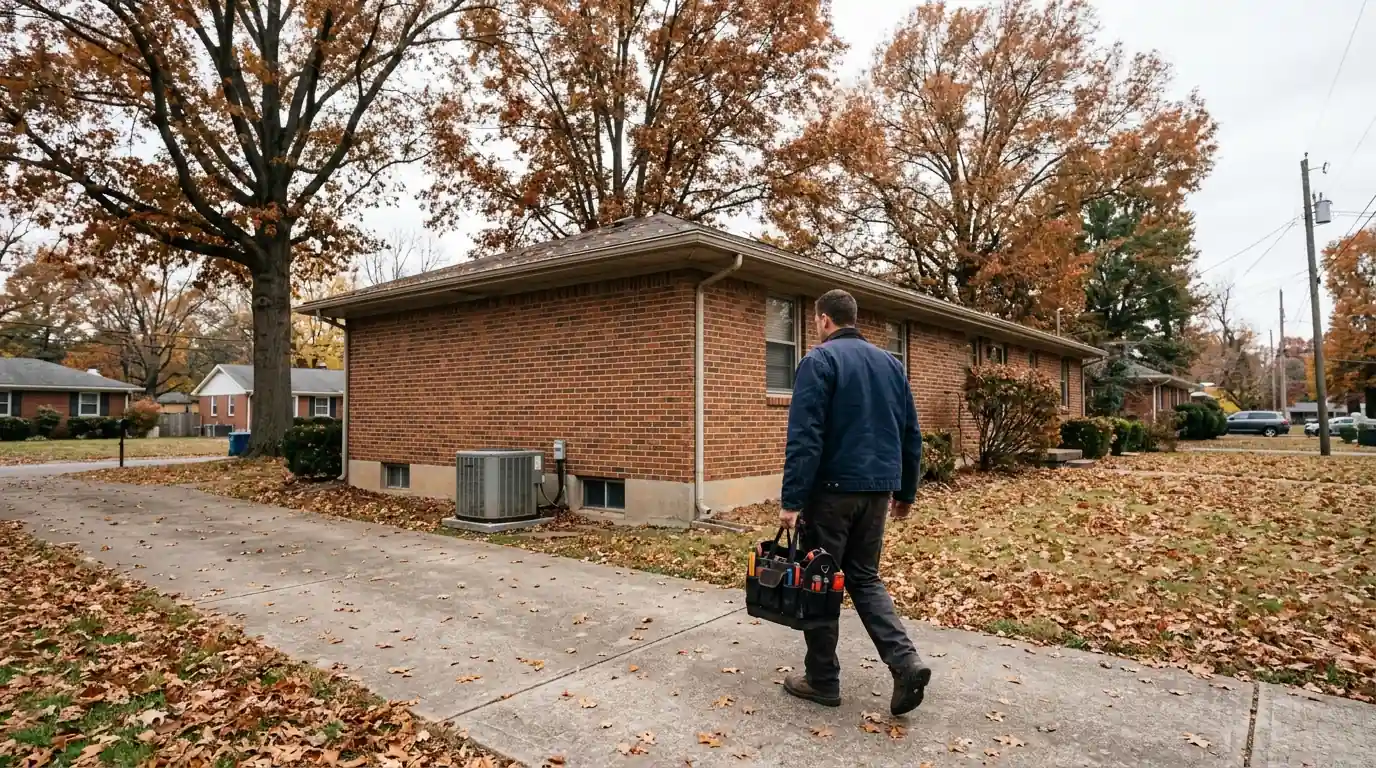
What goes wrong when new furnaces meet old Stonewall ducts
Most Stonewall heating complaints trace back to the gap between modern equipment and a 1960s duct layout.
Undersized central return
Many ranches of this era have one or two return grilles in a hallway. A modern blower starved for return air runs loud, overheats the heat exchanger and trips its limit switch.
Leaky basement trunk lines
Seams and takeoffs on original sheet metal trunks loosen over time. Heated air leaks into the basement, which feels warm while the far bedrooms stay cool.
Split-level rooms that never match
The upper bedroom level and the lower family room share one duct system. Without balancing dampers, one level is always too warm or too cool.
Orphaned water heater vent
When a 90 percent furnace with plastic venting replaces an older one, the gas water heater may be left alone in an oversized chimney, which can cause poor draft and condensation.
Damp air near the sump pit
A basement furnace beside a sump pit breathes humid air. Over time that shows up as rust on burners, cabinets and drain pans.
Fixing uneven rooms in a Stonewall split-level
Uneven rooms have more than one fix. These are the options we compare after measuring airflow on each level.
| Fix | What it involves | When it fits |
|---|---|---|
| Balancing dampers | Adjusting or adding dampers in branch runs | Levels are close but not even |
| Added return | Cutting in a return on the far level | Bedrooms stuffy with doors closed |
| Resized branch runs | Replacing small takeoffs and ducts | Weak airflow at specific rooms |
| Two-zone system | Motorized dampers and a second thermostat | Levels several degrees apart |
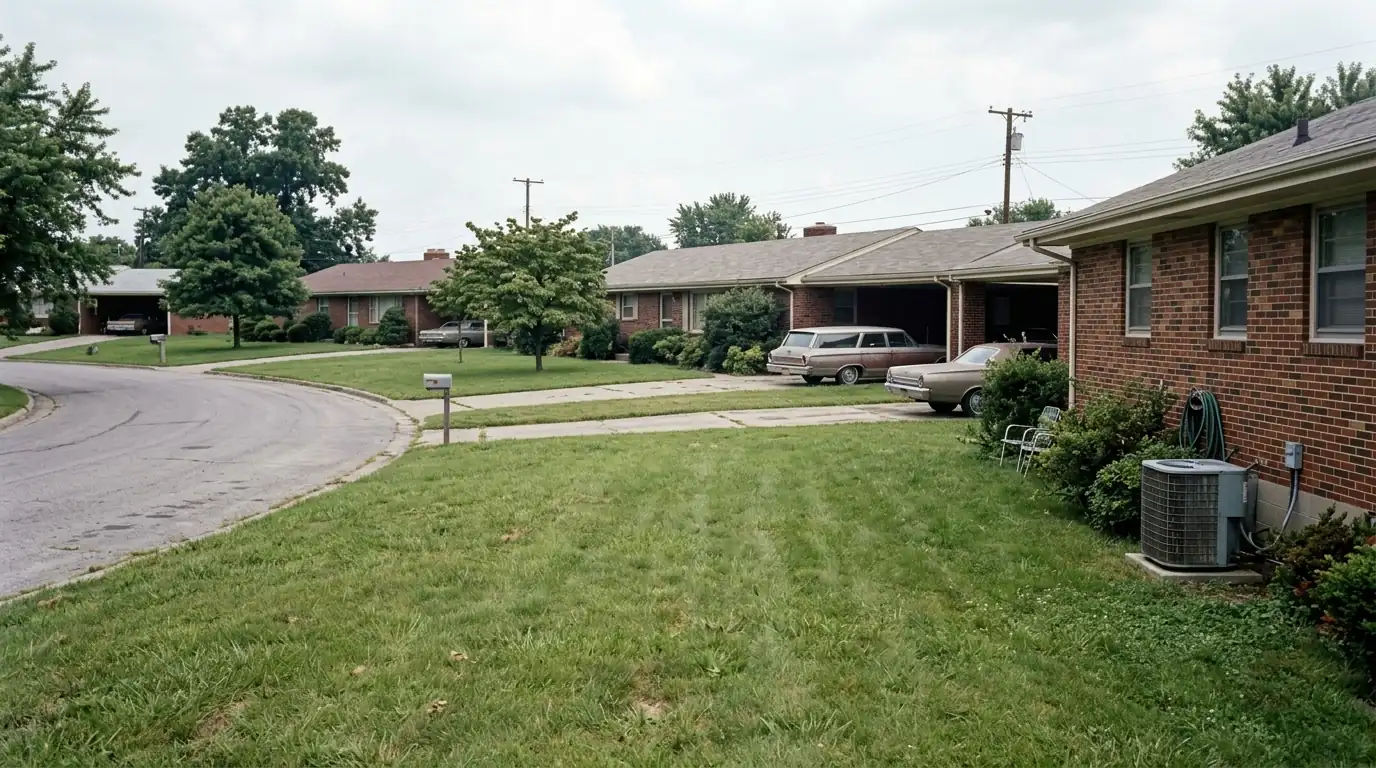
Seasonal notes for Stonewall basements and furnaces
Small habits keep a basement furnace in a Stonewall home running better between visits.
- Test the sump pump before spring storms so the furnace room stays dry.
- Keep paint cans, laundry and storage at least three feet from the furnace.
- Change one-inch filters monthly during pollen season and heavy winter use.
- Watch for rust flakes or water under the furnace after the first cooling week.
- Keep basement return grilles clear of furniture and boxes.
- Put a carbon monoxide alarm on each level, including the basement.
When the ducts deserve the money instead of the furnace
If you are about to replace a furnace in Stonewall, look at the ducts first. Replacing the worst duct runs and adding a proper return can fix comfort problems that no new furnace will touch. Sealing the basement trunk seams is the lower-cost step when the layout is sound but the joints leak.
Whenever the venting changes, we include a carbon monoxide check on the furnace and water heater. Newer homes in nearby Wellington mostly run heat pumps, but here the basement layout drives most of the decisions. Call (859) 377-8167 and we will measure your system before recommending anything.
What Stonewall homes call us for
Furnace Repair
Gas furnaces in Stonewall basements trip limit switches when old ducts and small returns choke airflow, so we fix the part and the cause.
Ductwork Replacement
Original 1960s trunks and branch runs often limit what a new furnace or heat pump can deliver to the far bedrooms.
Airflow Balancing
Split-levels and long ranches need dampers set and measured so each level gets its share of heated and cooled air.
Carbon Monoxide Safety Check
Furnace swaps that leave a water heater alone in an old chimney make venting and carbon monoxide checks worth doing in Stonewall.
Duct Sealing
Leaky seams in basement trunks waste heat into the basement and pull damp air back into the system.
Furnace Installation
A new Stonewall furnace should be sized and vented for the house as it stands today, not matched to the old nameplate.
Places near Stonewall we also cover
Questions we hear from Stonewall
Why does my new furnace in a Stonewall ranch sound so loud?
Newer furnaces often move more air than the original ducts were built for, especially when the house has one small central return. Air rushes through the grilles and the blower works against the restriction. We measure static pressure, then look at adding a return, opening up the filter area or adjusting blower speed. Fixing the restriction also helps the heat exchanger last longer.
Do Stonewall split-levels need two thermostats?
Not always. If the levels are within a degree or two of each other, balancing dampers and a second return can be enough. When the upper bedrooms and lower family room are routinely several degrees apart, a two-zone system with motorized dampers and separate thermostats is the cleaner fix. We measure both levels before recommending either.
Is a high-efficiency furnace a good fit for an older Stonewall basement?
Usually, yes, with two things handled. The furnace needs a condensate drain to a floor drain or pump, and the gas water heater may need a liner or new vent once the furnace leaves the chimney. We check both, along with gas line size and the return air path, before writing the price.
Heating or cooling trouble in Stonewall?
Call (859) 377-8167 any hour. Tell us what the system is doing and where you are, and we will take it from there.