Heat Pumps · Lexington, KY
Dual fuel heat pump and gas furnace systems in Lexington
You like how a heat pump handles mild days and summer cooling, but you do not want strip heat running all night when Lexington drops into the teens and your gas furnace sits right there.
Lexington and nearby counties
Line open 24/7Short answer: Dual Fuel Systems in Lexington, KY
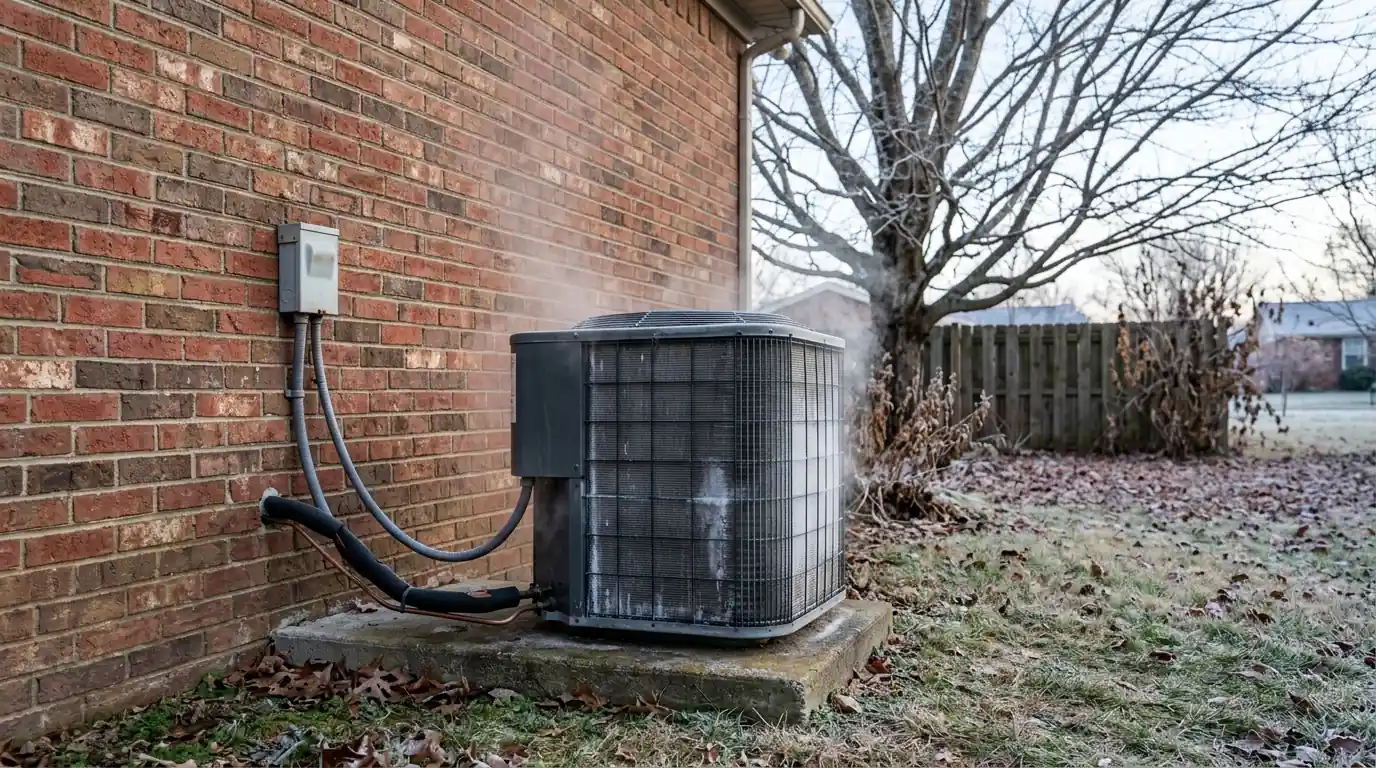
A dual fuel system pairs an outdoor heat pump with a gas furnace that shares the same ductwork. The heat pump heats on mild and moderate days, and the furnace takes over below a set outdoor temperature, usually between 25 and 38 degrees in Lexington. It suits homes with Columbia Gas service. Adding a heat pump to a good furnace costs roughly $5,870 to $9,640, and complete systems run higher.
How to decide if dual fuel fits your home
Dual fuel makes the most sense when three things line up. You already have Columbia Gas at the house, or propane you are happy to keep. Your ductwork moves enough air for a heat pump, which runs cooler supply air than a furnace and needs more airflow to deliver the same heat. And your furnace is either fairly new or due for replacement along with the air conditioner anyway.
If the furnace is under ten years old and the AC is dying, swapping the AC for a heat pump and keeping the furnace is often the cheapest route into dual fuel. If both are old, a matched system installed together gives you the best control setup. And if the house has no gas line and no plans for one, an all-electric cold-climate heat pump is usually the better comparison.
The decision also depends on what you pay. Electricity from KU and gas from Columbia Gas move independently, and the right switchover temperature shifts when either rate changes. We set the system up so you can adjust that point later without rewiring anything, usually from a properly wired thermostat with an outdoor sensor attached.
Pieces that make a dual fuel system work
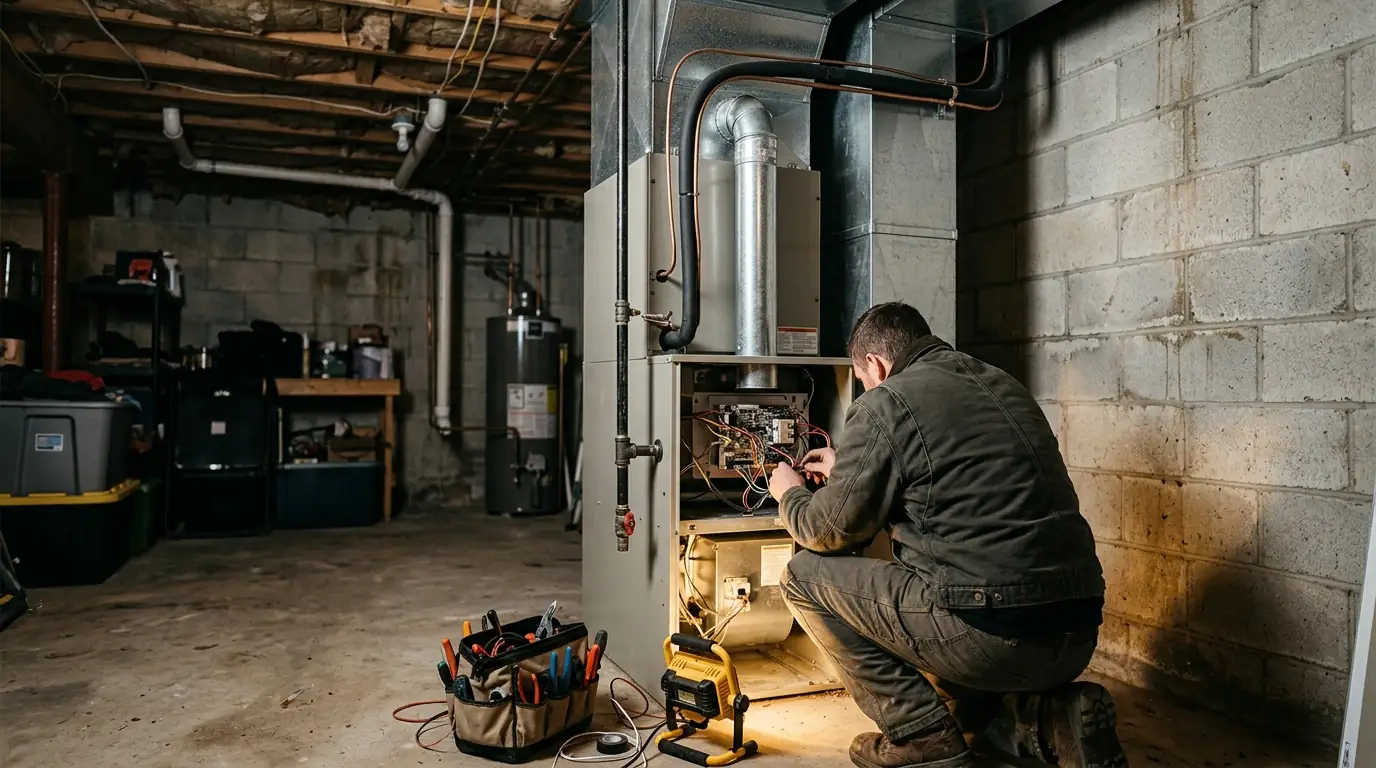
Dual fuel is not a special box. It is a heat pump, a furnace and a control strategy that decides which one runs, and each part has to be set up correctly.
Outdoor heat pump
Replaces the air conditioner. It cools all summer and heats on days above the switchover point, which in Lexington covers most of the heating season by hours.
Gas or propane furnace
Stays as the air handler and backup heat. Its blower moves air for both systems, and its burners take over on the coldest nights.
Evaporator coil on the furnace
Sits on top of the furnace and works as the indoor coil for both heating and cooling. It must match the heat pump and its refrigerant.
Outdoor temperature sensor
Tells the control what the weather actually is. Without it, the system guesses from run time, which wastes the efficiency dual fuel is supposed to deliver.
Dual fuel thermostat or kit
Locks out the heat pump below the balance point and locks out the furnace above it, so the two never fight or run together.
Where the switchover point usually lands
These are typical starting points we use in central Kentucky. We fine-tune them from your heat loss numbers and current utility rates.
| Equipment pairing | Typical switchover | Why |
|---|---|---|
| Single-stage heat pump, older ducts | 35 to 38 degrees | Capacity drops off early and supply air feels cool |
| Two-stage heat pump, sealed ducts | 28 to 33 degrees | Holds output longer with steadier supply air |
| Variable-speed heat pump | 20 to 28 degrees | Keeps most of its capacity well below freezing |
| Cold-climate variable-speed | 10 to 20 degrees | Gas mostly covers cold snaps and recovery |
Setting up dual fuel from estimate to first cold night
Here is how we approach a dual fuel project, whether it is a heat pump added to your current furnace or a full new pairing.
Inspect the furnace
We check the heat exchanger, burners, venting and blower motor. A heat pump added to a tired furnace only pushes the next problem down the road.
Run the numbers
A load calculation sets the heat pump size. Current KU and Columbia Gas rates give a starting switchover temperature.
Install and match the coil
The heat pump goes outside and a matched coil goes on the furnace. We braze, evacuate, charge and wire the outdoor sensor.
Program the control
We set the balance point, the furnace lockout above it and a short delay so the heat pump defrosts without blowing cold air.
Show you the controls
You learn how to read which heat source is running and how to move the switchover point if rates change.
What dual fuel costs to add or install new
The range covers the most common project here: adding a heat pump and matched coil to an existing furnace in good condition. A new furnace and heat pump together run higher.
- Heat pump size and type. A 2.5-ton single-stage heat pump costs far less than a 4-ton variable-speed model with a communicating control.
- Furnace compatibility. A furnace with a variable-speed blower pairs easily. An older single-speed furnace may need a control kit or, in some cases, replacement.
- Coil and line set. A new coil matched to the A2L refrigerant is required. Reusing a clean, correctly sized line set saves money over running new copper.
- Thermostat and sensor wiring. Some homes need extra conductors pulled to the thermostat and a new run to the outdoor sensor location.
- Full system replacement. When both furnace and heat pump are new, expect roughly $11,460 to $19,870 depending on staging and efficiency.
The figures are typical ranges. We give you a written price once we have inspected the furnace, measured the ductwork and confirmed what can stay. Compare typical prices for every service.
Why dual fuel suits so many Lexington houses
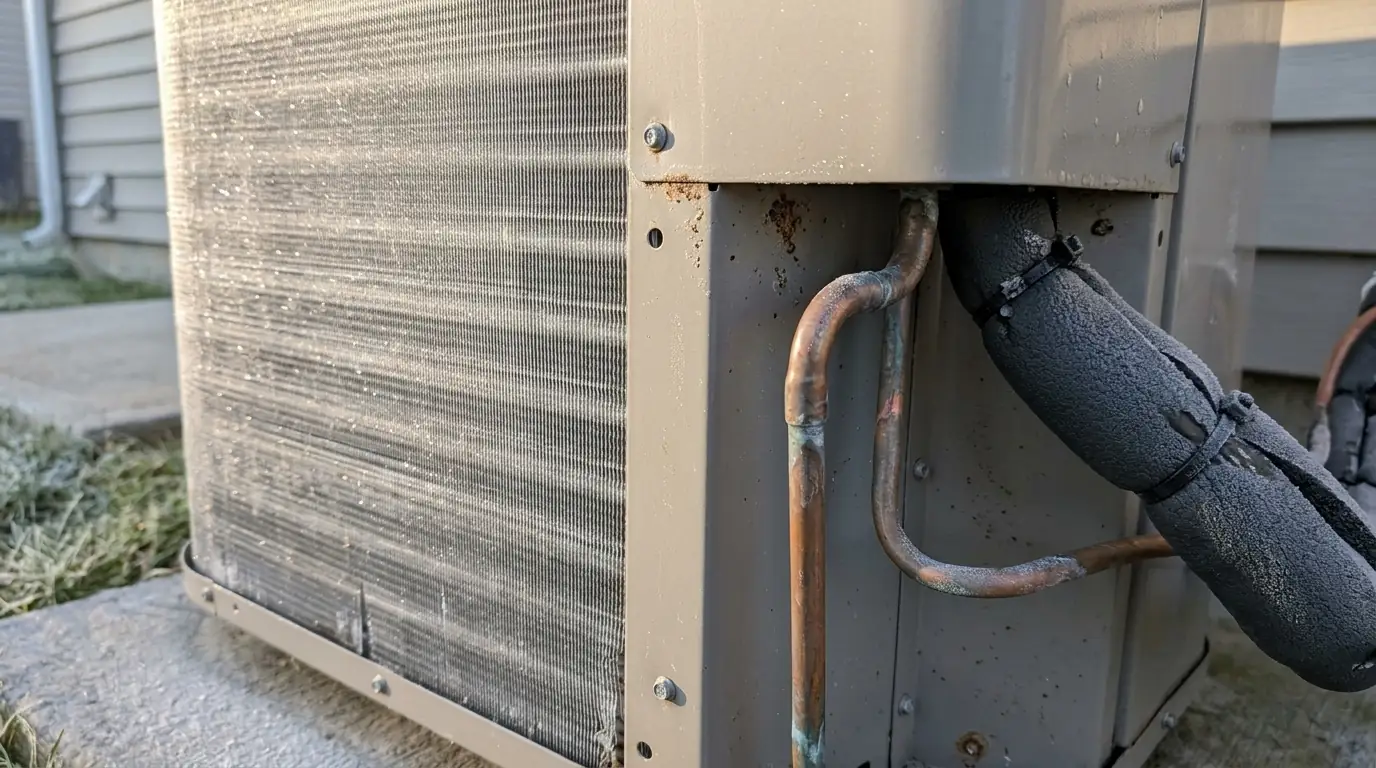
Columbia Gas lines run through many of Lexington's established neighborhoods, so plenty of homes already have a gas furnace and a separate air conditioner. Those houses, especially the 1970s through 2000s subdivisions along Tates Creek, in Wellington or around Hamburg, often have furnaces in basements or closets with enough room for a matched coil on top. That makes them natural dual fuel candidates.
Our weather fits the idea too. A Lexington heating season is mostly days in the 30s, 40s and 50s, which a heat pump handles efficiently. The handful of single-digit nights are where an air-source unit struggles and a gas furnace shines. Dual fuel lets each machine do what it does well. If you are still weighing all-electric against gas, our post on heat pump or gas furnace lays out the tradeoffs, and a call to (859) 377-8167 gets you numbers specific to your house.
We work on Carrier, Trane, Lennox, Rheem and Goodman equipment along with every other major brand found in Lexington homes, and the same testing comes first on all of them.
Lexington-area places we cover for dual fuel systems
We cover every Lexington neighborhood and the towns around it. These are the places we visit most for this work; the full list is on our Fayette County page and the service area page.
Further reading from our Comfort Blog
Heat pump or gas furnace for a Lexington home
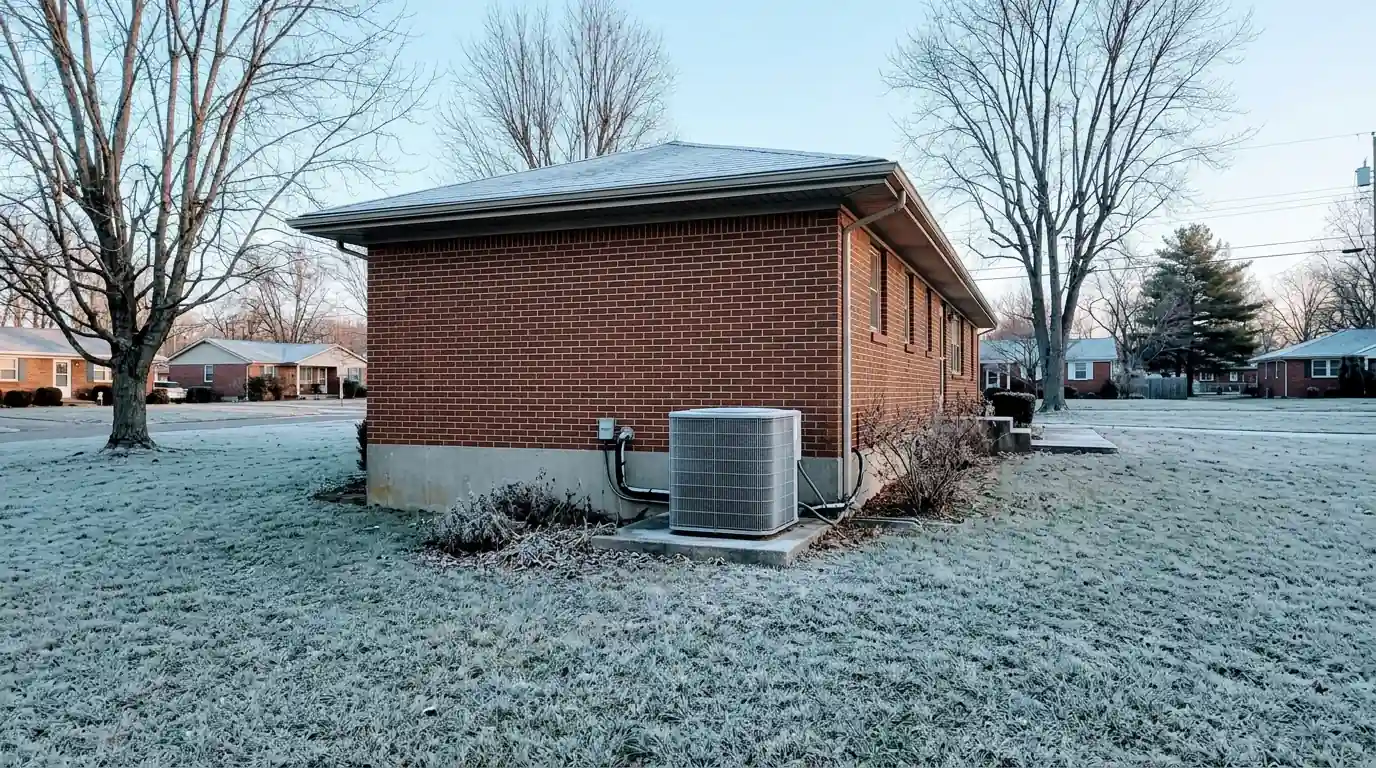
Both systems heat central Kentucky homes well. The better pick depends on your gas line, your ductwork, how your house handles a January cold snap and how hot you like the air at the registers.
Dual Fuel Systems: what Lexington homeowners ask
Will a dual fuel system blow cold air during heat pump defrost?
It should not if it is set up properly. On a dual fuel system, the control typically brings on the furnace during defrost instead of heat strips, so supply air stays warm while the outdoor coil clears its frost. If you feel cold drafts every hour on a dual fuel setup, the defrost wiring or control settings need adjustment.
Can I add a heat pump to my existing gas furnace in Lexington?
Usually yes, if the furnace is in good shape. We confirm the heat exchanger, venting and blower are sound, then add a heat pump outside and a matched coil on the furnace. Furnaces with variable-speed blowers pair best. If the furnace is near the end of its life, we will tell you, since replacing it a year later costs more than doing both at once.
What happens to a dual fuel system if the gas goes out?
If gas service is interrupted, the heat pump can still run, though below the switchover point it will struggle to keep up on the coldest nights. Some dual fuel controls can be set to let the heat pump run below its normal lockout in that situation. Because the furnace blower moves the air, a power outage stops both systems.
Is dual fuel worth it with propane instead of Columbia Gas?
Often, yes. Rural homes outside Lexington that heat with propane tend to pay more per unit of heat than natural gas customers do, so a heat pump covering most of the season can cut propane use sharply. The switchover point typically sits lower with propane than with natural gas. We base the setting on what you actually pay per gallon.
Call and describe what the system is doing
A person answers (859) 377-8167 day and night. Tell us what you are seeing and a technician takes it from there.