Comfort Blog
Heat pump or gas furnace: how to decide for a Lexington home
Both systems heat central Kentucky homes well. The better pick depends on your gas line, your ductwork, how your house handles a January cold snap and how hot you like the air at the registers.
By Alton Gilley, Comfort Blog EditorPublished Answered 24/7 at (859) 377-8167
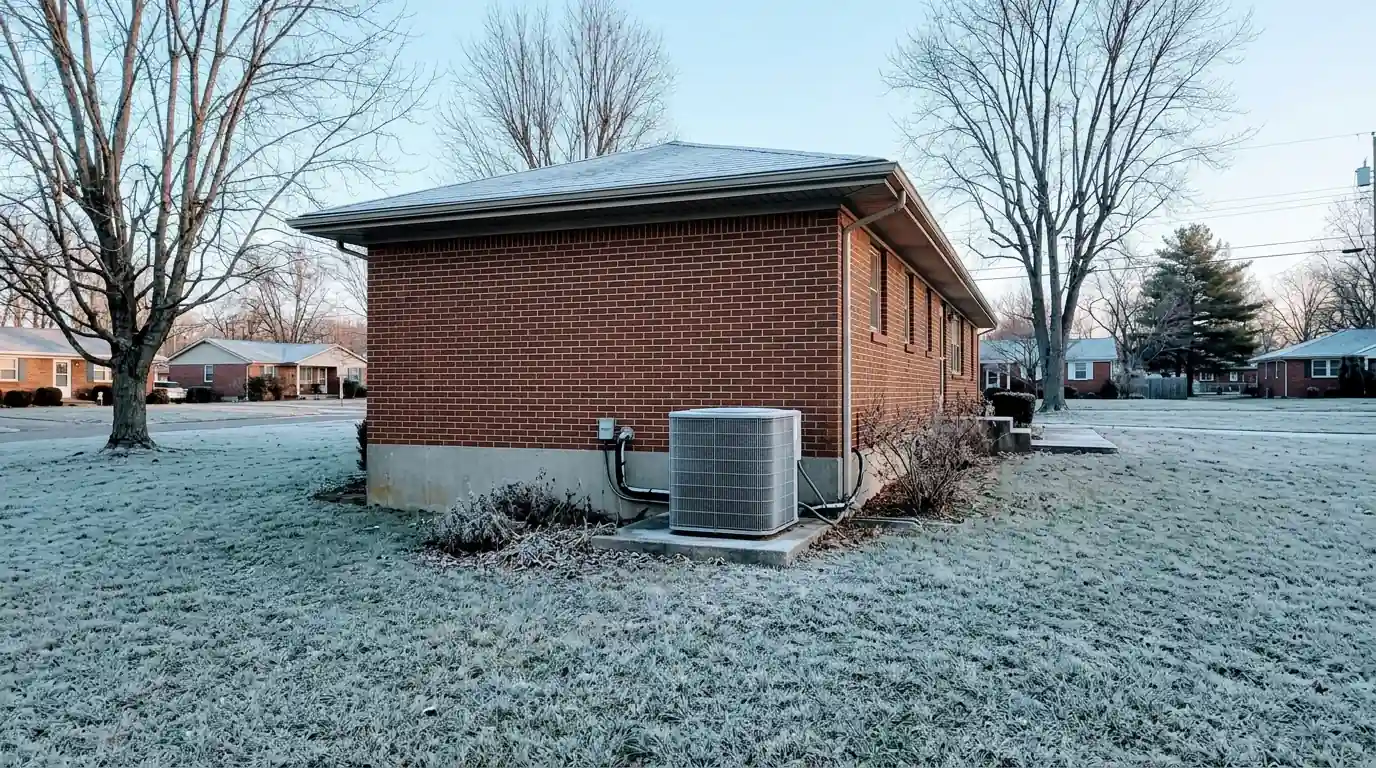
Short answer: Heat pump or gas furnace: how to decide for a Lexington home
For most Lexington homes with ducts, a heat pump heats efficiently through the bulk of the winter, while a gas furnace delivers hotter air and steady output during cold snaps. If Columbia Gas already serves your street, a dual fuel system pairs both and switches automatically. All-electric homes without a gas line usually do best with a properly sized heat pump and backup heat strips.
How each system turns energy into heat for your rooms
A gas furnace burns natural gas inside a sealed heat exchanger, and the blower pushes room air across the hot metal. Supply air usually leaves the registers somewhere between 120 and 140 degrees, so the house warms quickly and the air feels hot on your hand. Modern high-efficiency furnaces vent through plastic pipe and turn more than nine tenths of the gas into usable heat. Older units with metal flues run closer to 80 percent.
A heat pump makes no heat at all. It moves heat that already exists in the outdoor air into the house, using the same refrigerant circuit your air conditioner uses in July. Because it moves heat instead of creating it, a heat pump can deliver two to three units of heat for every unit of electricity on a mild winter day. The tradeoff is milder supply air, often 90 to 105 degrees, and output that drops as the outdoor temperature falls.
Where heat pumps and gas furnaces differ day to day
Here is how the two systems compare on the points homeowners ask us about most often.
| Question | Heat pump | Gas furnace |
|---|---|---|
| Air temperature at the vents | About 90 to 105 degrees | About 120 to 140 degrees |
| Single-digit cold snaps | Leans on backup heat strips | Full output at any outdoor temperature |
| Summer cooling | Built in, same outdoor unit | Needs a separate air conditioner |
| Fuel needed | Electricity only | Natural gas or propane, plus electricity |
| Yearly safety checks | No combustion or flue | Heat exchanger, venting and carbon monoxide |
| Typical lifespan | About 10 to 15 years | About 15 to 20 years |
What KU electric and Columbia Gas service mean for you
In Lexington, electricity comes from Kentucky Utilities and natural gas comes from Columbia Gas of Kentucky. Which fuel costs less per unit of heat shifts with the season and with each utility's rates, so any fixed savings number would be stale within a year. The pattern holds steady, though. In mild weather a heat pump usually heats for less than gas, and in deep cold the gap narrows or flips as the heat pump loses efficiency and its backup strips switch on.
Two local facts tilt many decisions. First, not every road has a gas main, especially in outlying parts of Fayette County and the rural Bluegrass, where the real choice is a heat pump versus propane. Second, our winters are mostly moderate, with frequent nights in the 20s and a few cold snaps that dip into the single digits. A heat pump covers the moderate majority well. The open question is how you want the house to feel on those few bitter nights.
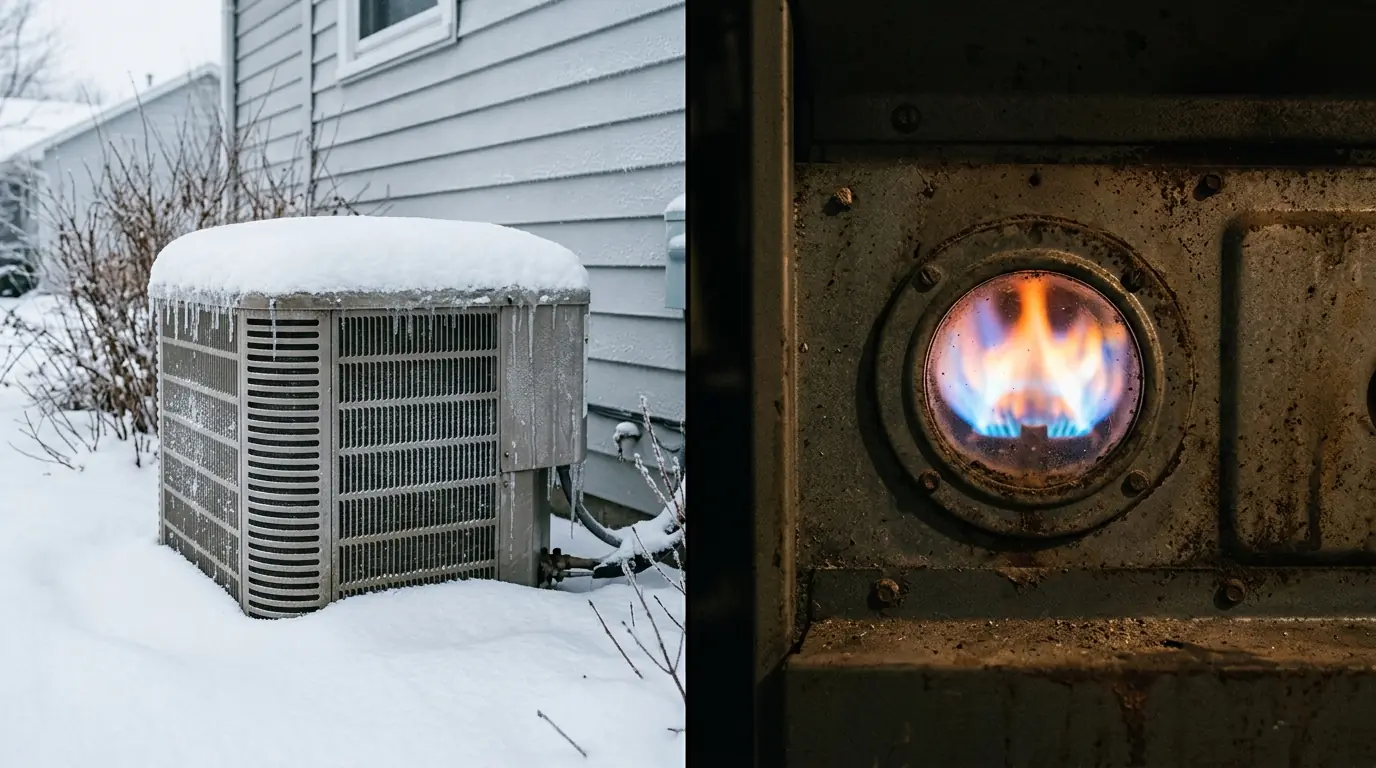
Details about your house that point to one answer
Before we recommend either system, we look at the house itself. These details usually settle it.
Whether gas is already there
If a gas meter and line already serve the house, keeping a furnace or adding dual fuel is simple. Without one, a heat pump avoids new piping, a new meter and a monthly gas service charge.
Size and condition of the ducts
Heat pumps move more air at lower temperatures, so undersized or leaky ducts show up as weak, cool-feeling airflow. We measure static pressure and check duct sizes before recommending one.
How well the house holds heat
A 2000s home in Hamburg or Masterson Station loses far less heat than a drafty 1920s house near downtown. Lower heat loss favors a heat pump, because its backup strips rarely need to run.
Where the indoor unit sits
Basement, crawlspace and attic installs differ in noise, condensate drainage and duct heat loss. Ducts running through a vented crawlspace lose more warmth before the air reaches your rooms.
How you like the air to feel
Some people love the long, gentle cycles of a heat pump. Others want the blast of hot air a furnace gives on a January morning. Neither preference is wrong, and it belongs in the decision.
Your electrical panel capacity
Backup heat strips draw a heavy electric load. An older 100-amp panel may need attention before a heat pump with 10 kilowatts of strip heat can be added safely.
Why dual fuel works as a middle path for many homes
A dual fuel system pairs an outdoor heat pump with a gas furnace instead of electric strips. The heat pump carries the house through mild and moderate weather, and the furnace takes over when the outdoor temperature drops below a set switchover point, often somewhere between 25 and 40 degrees. The thermostat or control board makes that switch on its own, so you never have to touch a setting.
For a Lexington home that already has gas and needs a new air conditioner anyway, dual fuel is often the most sensible upgrade. You keep hot furnace air for the coldest nights, gain efficient heat pump heating for most of the season, and replace the old AC with an outdoor unit that handles both jobs. We set the switchover point around your fuel costs and comfort preferences, and it can be adjusted later.
The catch is cost and complexity. You have two heating appliances to maintain, a furnace that must be compatible, and a thermostat or control that manages both. If your furnace is under ten years old and in good shape, swapping the AC for a heat pump is usually straightforward. If both pieces are aging, we price both paths side by side so you can compare.
When to call us before the next heating season
The easiest time to make this choice is before something fails in January. If your furnace or heat pump is past about 12 to 15 years old, if repairs have become a yearly event, or if the air conditioner needs replacing and you already heat with gas, it is worth a conversation now. We visit, measure the house and ductwork, look at your gas and electric setup, and give a written price for each option after we have seen the system.
If you are weighing a new heat pump or a replacement gas furnace, call (859) 377-8167. Calls are answered 24/7, and we can talk through what you have now before anyone visits. For a closer look at timing, our guide on repairing or replacing older equipment covers the age and repair cost questions in more detail.
Follow-up questions readers ask
Will a heat pump keep a Lexington house warm during a single-digit cold snap?
Yes, when it is sized and installed correctly. As temperatures drop into the teens and single digits, a standard heat pump loses capacity and its backup heat strips make up the difference. Cold-climate heat pumps hold more of their output at low temperatures and lean on the strips less. Either way the house stays warm, but electric use climbs on those nights.
Can I switch from a gas furnace to a heat pump without new ductwork?
Often you can. Many furnace duct systems in Lexington are sized well enough for a heat pump, but not all of them. Heat pumps need steady airflow, roughly 350 to 450 cubic feet per minute per ton, and small returns or crushed runs cause noise and weak heat. We measure static pressure and check the return before recommending the switch, then correct only the duct sections that need it.
Does a gas furnace need more upkeep than a heat pump?
The upkeep is different rather than greater. A gas furnace needs a yearly check of the burners, flame sensor, heat exchanger, venting and carbon monoxide levels. A heat pump has no combustion, but it runs in both summer and winter, so its outdoor coil, refrigerant charge, reversing valve and defrost controls deserve attention twice a year. Every home with gas appliances should also have working carbon monoxide alarms.
More from the Comfort Blog
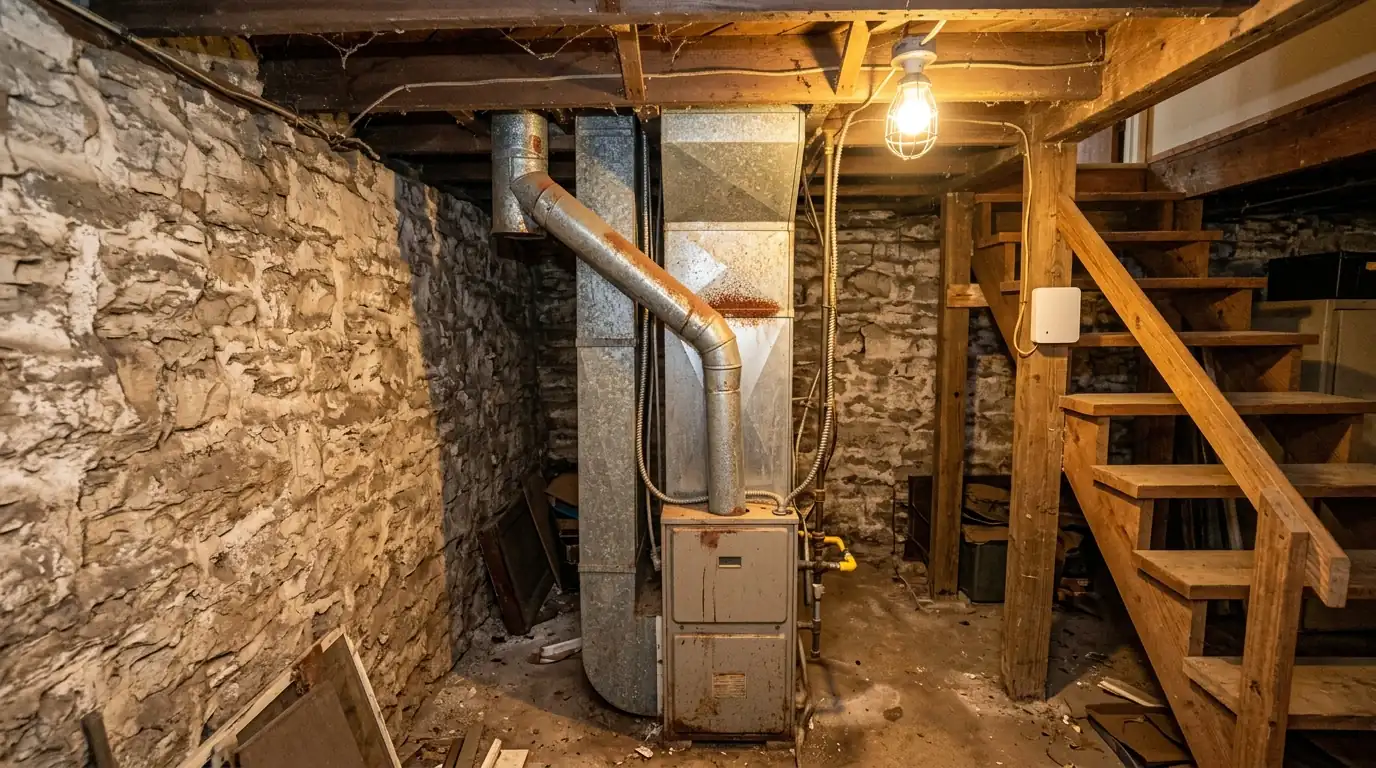
Furnace smells and carbon monoxide: when to leave
Some furnace smells are harmless and fade within the hour. Others mean shut the system off, and a few mean get everyone out of the house first and ask questions later.
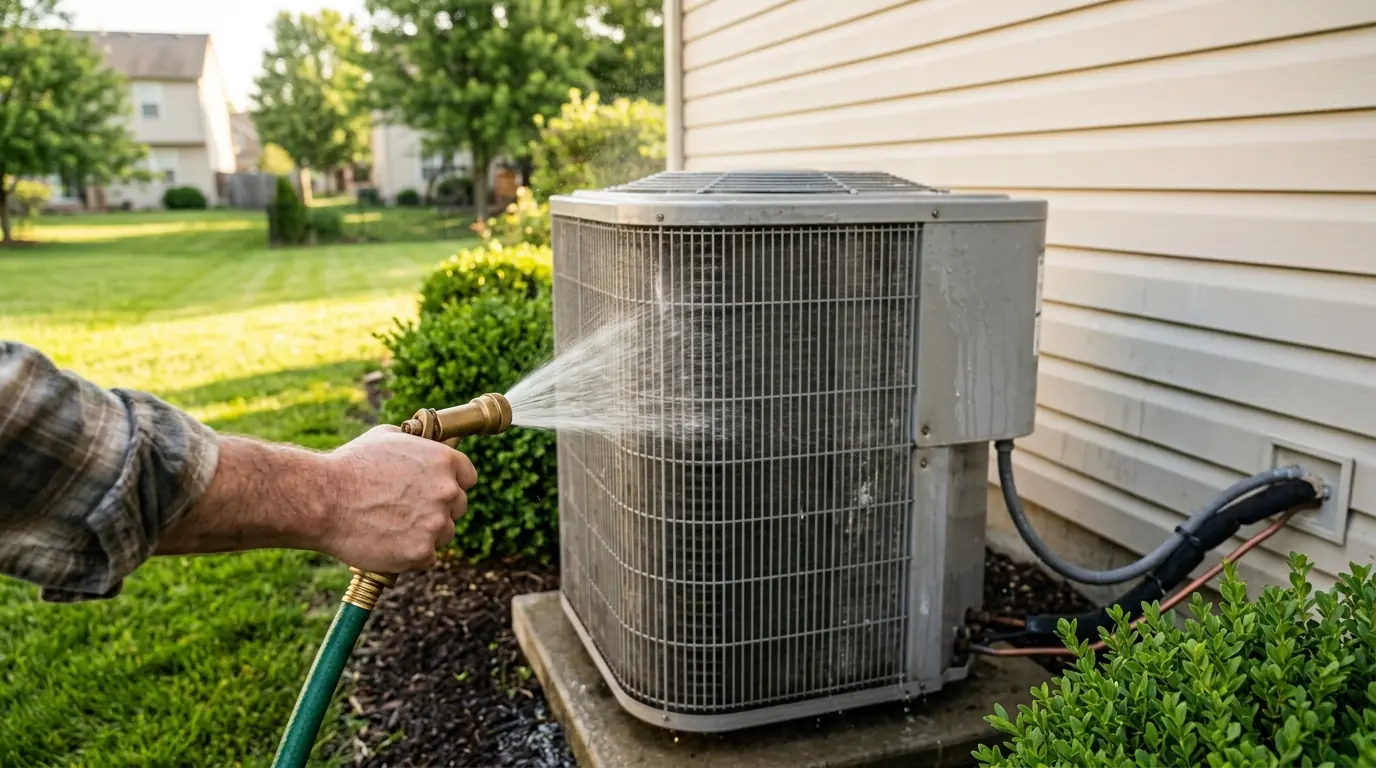
Get your AC ready before the first hot, humid week
The first stretch of 85-degree, sticky days is when weak capacitors, clogged drains and dirty coils give out. A short homeowner checklist and one test run catch most of it early.
Central air for older Lexington homes without ducts
Plaster walls, radiators and tight attics make conventional ductwork hard to fit in Lexington houses from the 1910s to the 1940s. These are the cooling options that actually work in them.
Want a technician to look at it?
Call (859) 377-8167 any hour and describe what you are seeing. We will tell you what to check now and what needs a visit.