Heating · Lexington, KY
Furnace tune-ups in Lexington before the first cold night
The heat has been off since April, the first cold front is coming, and you want to know the furnace will light, burn cleanly and keep running when the nights drop into the 20s.
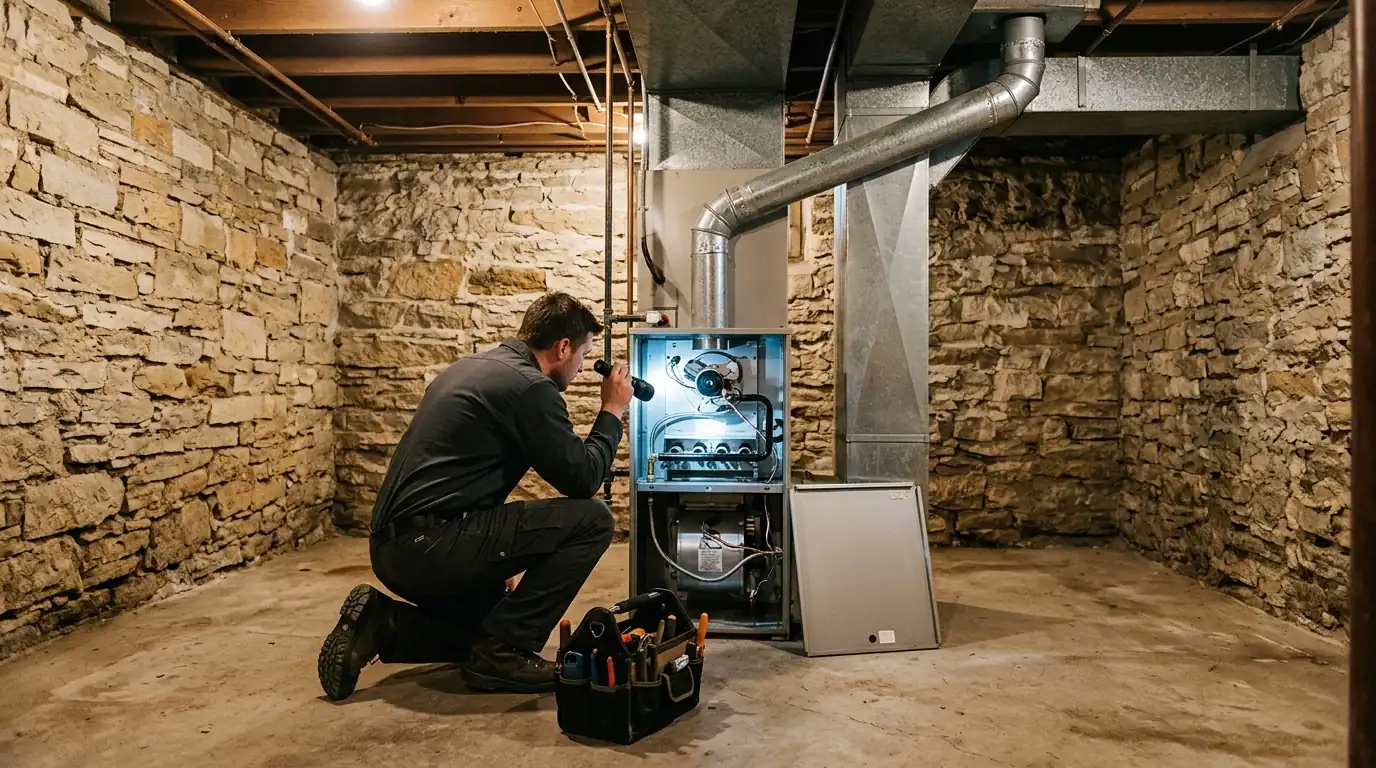
Lexington and nearby counties
Line open 24/7Short answer: Furnace Tune-Ups in Lexington, KY
A real furnace tune-up measures, not just looks. We check flame signal, igniter resistance, gas pressure, temperature rise, draft and carbon monoxide, clean the flame sensor and burners, test every safety switch and inspect the heat exchanger. In central Kentucky, most single-furnace tune-ups run about $129 to $236. Early fall is the best window, before the first cold snap fills repair schedules.
What we measure on every gas furnace tune-up
Each reading is compared with the manufacturer value on the rating plate or in the install manual. You get the numbers, not just a checked box.
Flame signal in microamps
A healthy flame sensor usually reads two to six microamps. Anything under about one and a half tells us the rod is fouling and the furnace will soon start shutting off after lighting.
Igniter resistance
We read the hot surface igniter in ohms and compare it to its type. A rising number means the element is aging and is likely to crack during a long cold-weather cycle.
Gas pressure at the manifold
Most natural gas furnaces want about 3.5 inches of water column on high fire. Low pressure leaves heat on the table, and high pressure overheats the heat exchanger.
Temperature rise
The difference between return and supply air has to fall inside the range printed on the furnace label, often 35 to 65 degrees. Outside it points to an airflow problem.
Draft and pressure switch
We measure inducer draft against the pressure switch setpoint. A small margin explains a furnace that lights fine in October but locks out when the wind picks up.
Carbon monoxide readings
We test CO in the flue gas and in the air near the furnace and living space, then compare the flue reading with what that burner design should produce.
Static pressure and blower amps
Total external static pressure and blower amp draw show whether the filter, coil or ducts are choking airflow, which shortens blower and heat exchanger life.
Cleaning and adjustments done during the visit
Measurements tell us what needs attention. These are the tasks we carry out on almost every furnace, included in the tune-up price.
- Clean and polish the flame sensor rod with a fine abrasive pad.
- Vacuum the burner compartment and inspect burners for rust or debris.
- Flush the condensate trap and drain on high-efficiency furnaces.
- Inspect the inducer housing, hoses and pressure switch ports.
- Tighten electrical connections and check the blower capacitor against its rating.
- Check the vent pipe pitch, joints and outdoor terminations.
- Fit a fresh filter you supply, or tell you the size and rating to buy.
- Run a full heat cycle and confirm the thermostat stages correctly.
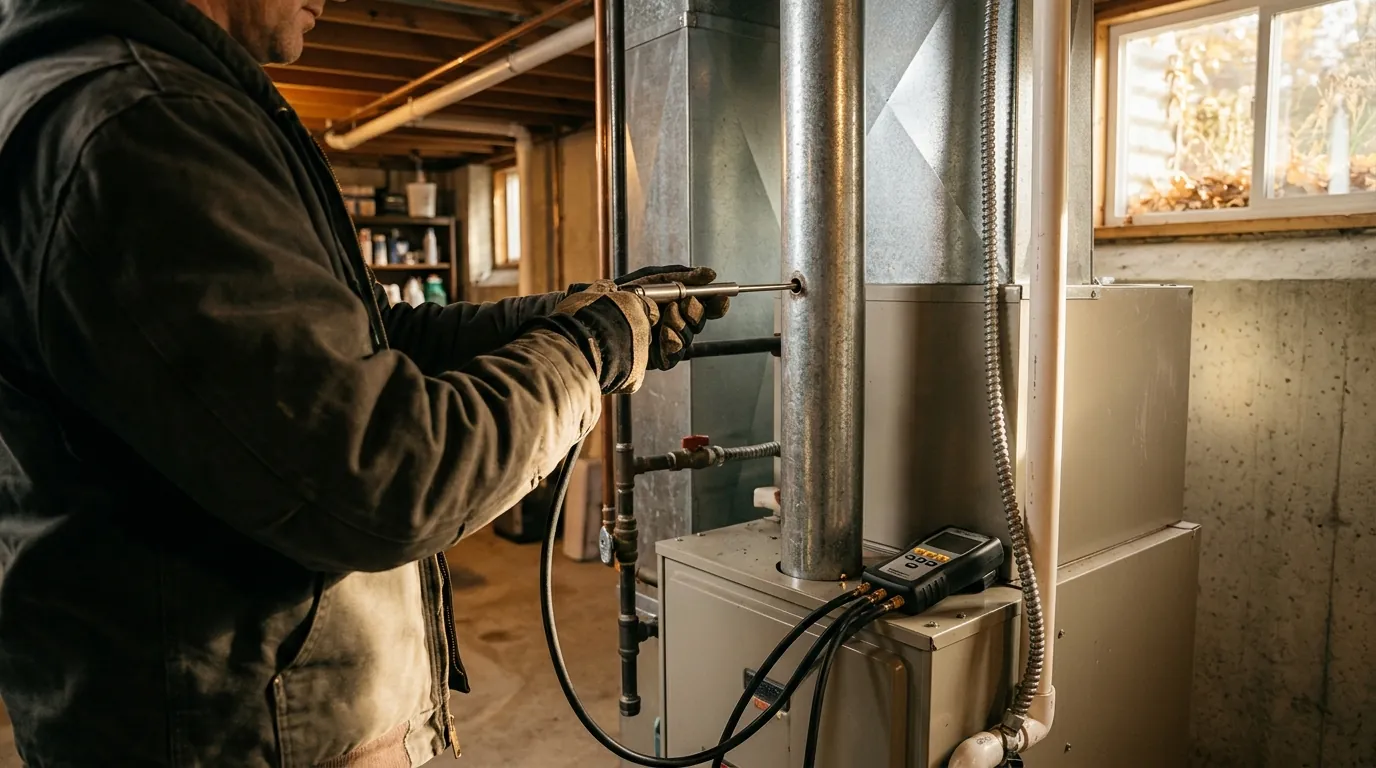
How a tune-up visit runs, start to finish
Plan on about an hour to an hour and a half for one furnace. A second system in the same house adds roughly 45 minutes.
Ask about last winter
We start by asking about noises, cold rooms, high gas bills or lockouts you noticed. Those details point us toward the readings that matter most for your furnace.
Baseline readings first
We take flame signal, temperature rise, static pressure and CO before touching anything, so we can show you how the furnace was running when we arrived.
Clean and adjust
Sensor, burners, condensate trap and connections are cleaned or tightened, and gas pressure is set if it has drifted from the manufacturer value.
Repeat the readings
We run the furnace again and record the after numbers. If something still reads outside its range, we explain the likely cause and what fixing it would involve.
Written findings
You get a short list of what we measured, what we cleaned, and anything wearing out, ranked by what can wait and what should be fixed before winter.
What a furnace tune-up costs around Lexington
Most tune-ups on a single gas furnace fall inside this range. Additional systems, add-on equipment and older furnaces move the price around.
- Furnace type. An 80 percent furnace has no condensate system, so it takes less time than a 96 percent unit with a trap, drain and PVC venting to inspect.
- Number of systems. A second furnace in the same house is priced lower than the first, because the trip and setup are already covered.
- Access. Attic and tight crawlspace furnaces take longer to reach and work around safely than an open basement unit.
- Add-on equipment. A humidifier, media filter cabinet or UV lamp in the system adds a few minutes of inspection and any parts you choose to replace.
- Parts found worn. If the igniter or capacitor tests weak, replacing it is priced separately so you can decide before we do the work.
The range covers the standard visit. Your written price for any repairs comes after we look at the system and show you the readings. Compare typical prices for every service.
Why October tune-ups matter in the Bluegrass
Central Kentucky does not ease into winter gently. October afternoons can sit in the 70s, then a front drops overnight lows into the 20s within the same week. A furnace that has been idle since spring has to light cleanly on the first try, and that first cold night is when weak igniters and fouled sensors show up across Lexington at once. A tune-up a few weeks earlier catches most of them.
Lexington basements and crawlspaces add their own wear. Summer humidity condenses on cool metal, so burners rust, igniter leads corrode and spiders nest in burner tubes and vent screens. In homes where the same blower moves air for cooling all summer, the filter is often loaded with pollen by fall. If your filter is a guessing game, our guide to furnace filters covers sizes, ratings and how often to change them.
Gas furnaces in town draw from Columbia Gas of Kentucky, and supply pressure to the house can differ slightly between neighborhoods and appliances. Setting manifold pressure to the furnace rating keeps the flame correct for your gas supply. On the electric side, KU power flickers during spring and summer storms can leave control boards with odd faults, and we check for stored fault codes during each visit.
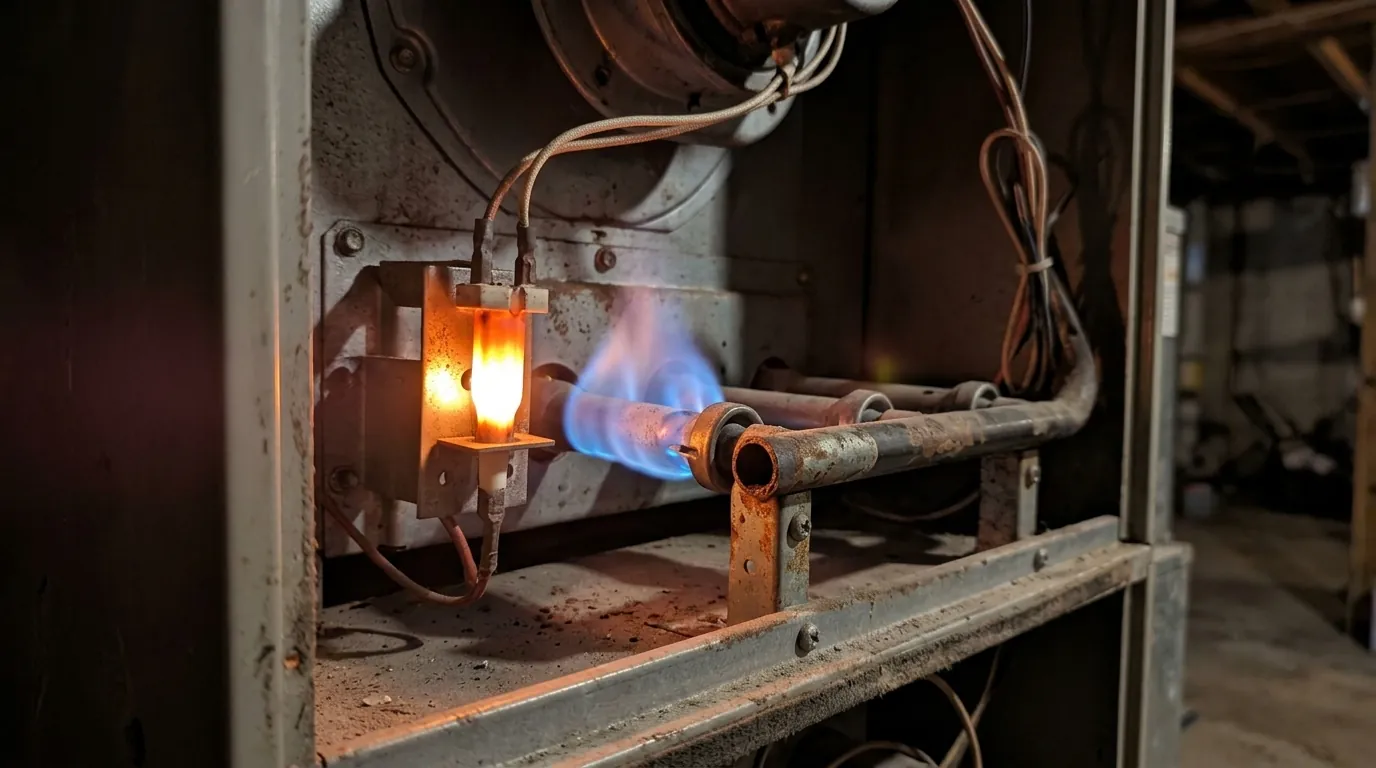
Tune-up findings and what usually comes next
Most tune-ups end with a clean report. When something reads outside its range, this is how we sort the result for you.
| Finding | What it means | Usual next step |
|---|---|---|
| Flame signal low after cleaning | Sensor or ground path wearing out | Replace sensor, check ground |
| Temperature rise above range | Airflow restricted by filter, coil or ducts | Find and clear the restriction |
| CO in flue above normal | Burner, gas pressure or venting issue | Adjust or repair before heavy use |
| Rust or cracks on heat exchanger | Possible combustion leak | Camera inspection and a CO check |
We work on Carrier, Trane, Lennox, Rheem and Goodman equipment along with every other major brand found in Lexington homes, and the same testing comes first on all of them.
Lexington-area places we cover for furnace tune-ups
We cover every Lexington neighborhood and the towns around it. These are the places we visit most for this work; the full list is on our Fayette County page and the service area page.
Further reading from our Comfort Blog
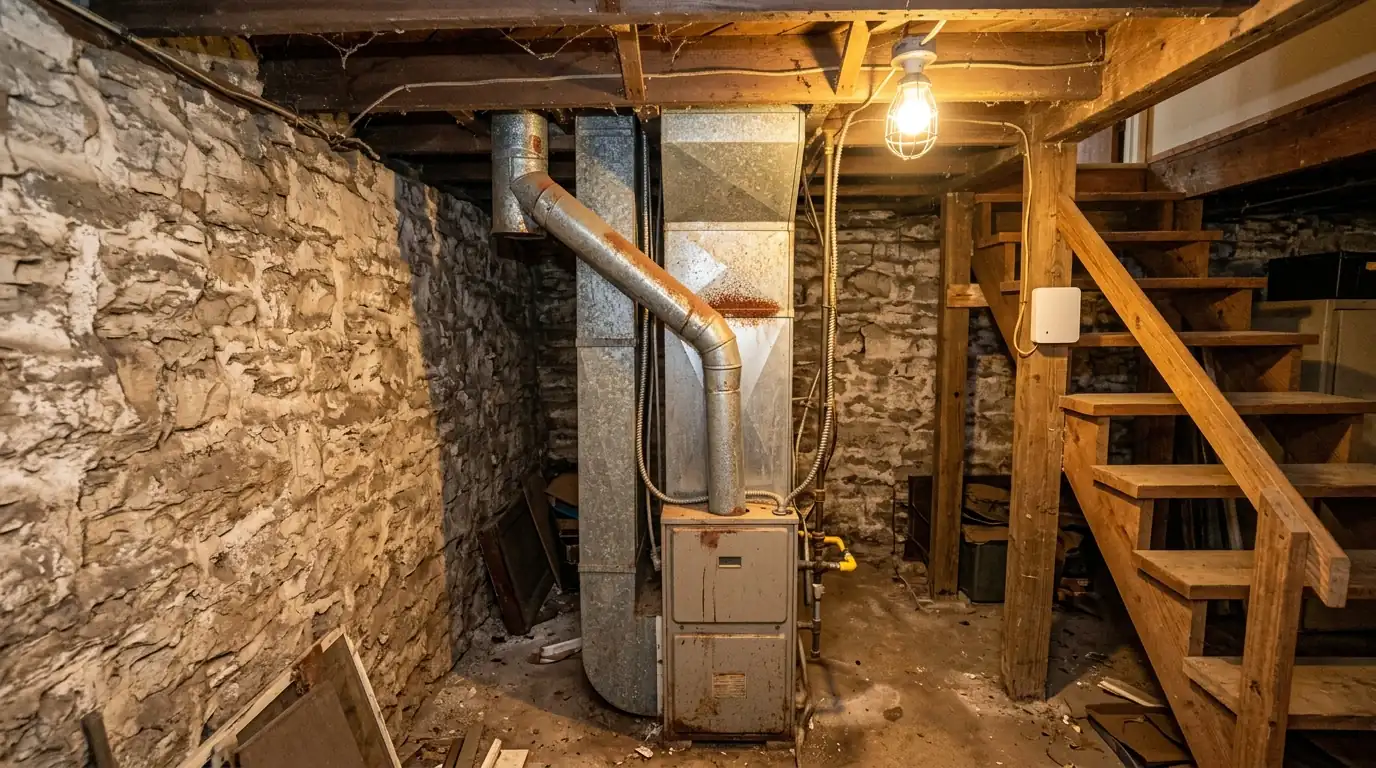
Furnace smells and carbon monoxide: when to leave
Some furnace smells are harmless and fade within the hour. Others mean shut the system off, and a few mean get everyone out of the house first and ask questions later.
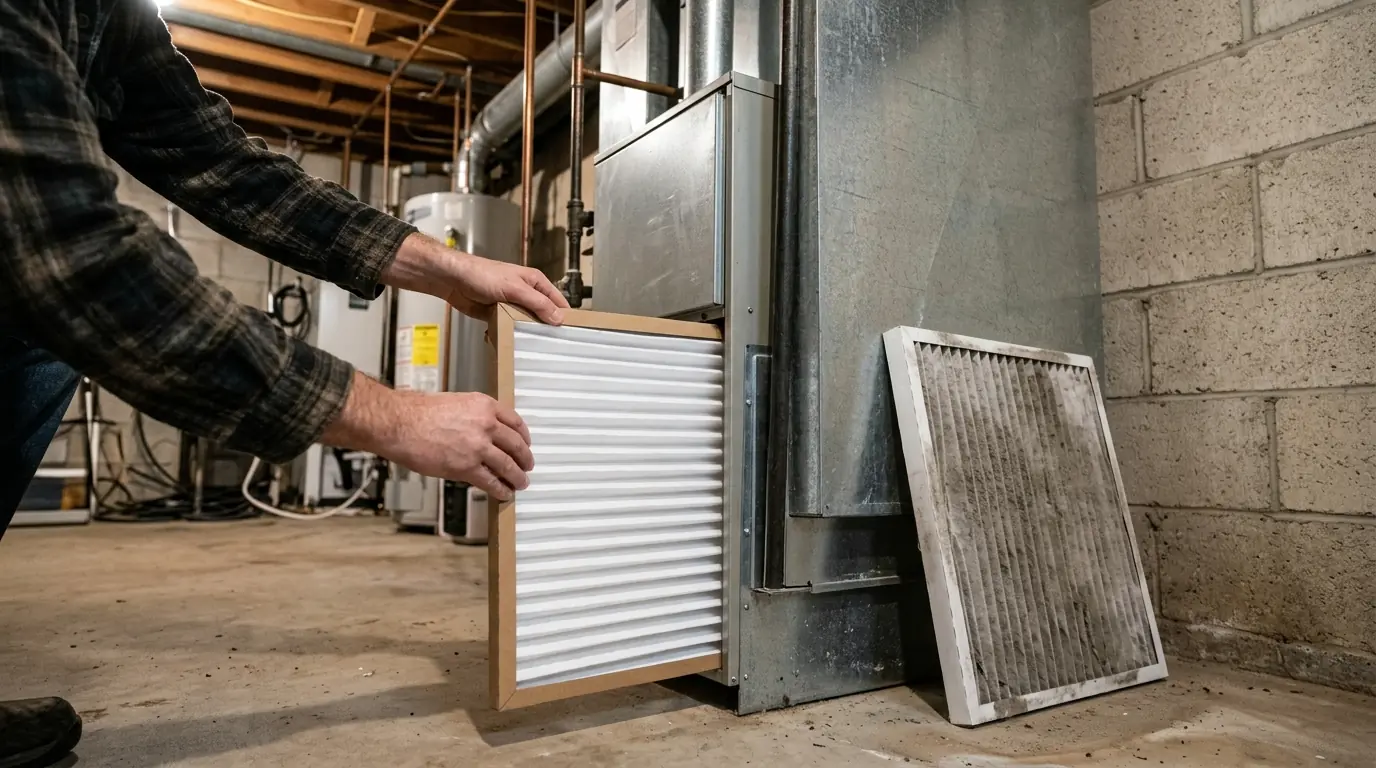
How often to change a furnace filter, and which MERV
The filter is the cheapest part of your heating and cooling system, and the one most often ignored. Getting the size, thickness and change schedule right protects the equipment and the air you breathe.
Questions about furnace tune-ups in Lexington
How often should a gas furnace get a tune-up in central Kentucky?
Once a year, ideally between September and early November. Our winters are long enough that a furnace runs many hundreds of hours each season, and the summer humidity in Lexington basements and crawlspaces speeds up rust and corrosion on burners and connections. If your furnace also moves air for central AC, a separate AC tune-up in spring covers the cooling side.
Does a furnace tune-up include checking for carbon monoxide?
Yes. We measure CO in the flue gas and in the air around the furnace and the living space on every tune-up. A high flue reading usually means a burner, gas pressure or venting problem we can correct. If you want a deeper look at every fuel-burning appliance in the house, our carbon monoxide safety check covers water heaters, ranges and fireplaces as well.
Can I skip a furnace tune-up if my furnace is only a few years old?
You can, but newer furnaces still collect debris on the flame sensor, and high-efficiency models have condensate traps that clog and freeze. Most manufacturer warranties also require proof of regular maintenance. A tune-up on a young furnace is usually quick, and it gives you baseline readings that make future repairs faster to diagnose.
What should I do before the technician arrives for a furnace tune-up?
Clear a few feet of space around the furnace, make sure we can reach the outdoor vent pipes, and have a fresh filter on hand if you buy your own. If anything unusual happened last winter, like lockouts, odd smells or a room that never warmed, write it down. Call (859) 377-8167 if you are unsure which filter size your furnace takes.
Ready to talk about furnace tune-ups?
A person answers (859) 377-8167 day and night. Tell us what you are seeing and a technician takes it from there.