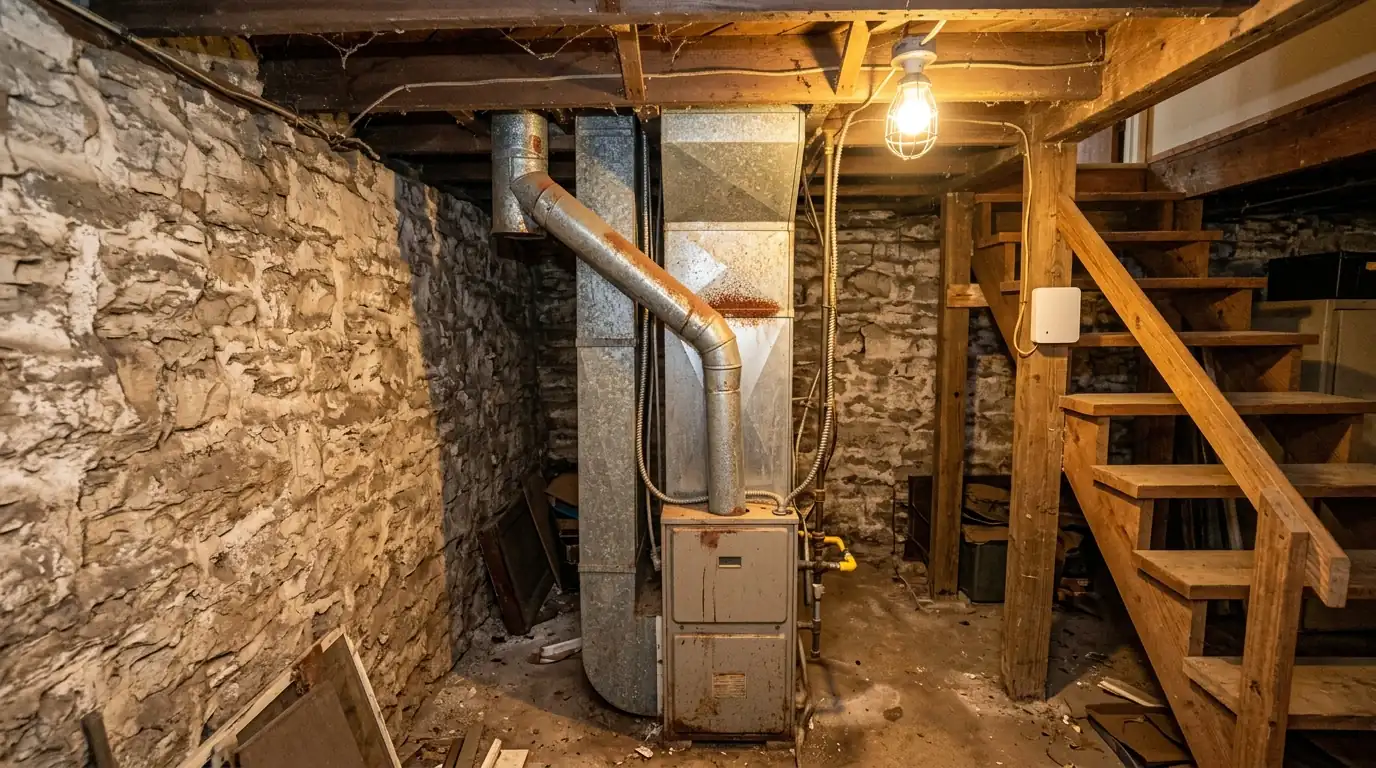
Furnace smells and carbon monoxide: when to leave
Some furnace smells are harmless and fade within the hour. Others mean shut the system off, and a few mean get everyone out of the house first and ask questions later.
Cooling
Heating
Heat Pumps
Ductless & Controls
Ductwork & Airflow
Indoor Air Quality
Emergency & Projects
Counties
Nearby towns
Lexington neighborhoods
Heating and air in Lexington, KY
When the furnace quits on a January night or the air conditioner falls behind in July humidity, call (859) 377-8167. The line is answered around the clock, and the technician who comes out tests before replacing anything.
Short answer: Who do I call for heating or AC repair in Lexington, KY?
Call American Traditional Mechanical at (859) 377-8167. The line is answered 24/7 for Lexington and the surrounding Bluegrass counties. We repair and replace heat pumps, gas and electric furnaces, boilers, central air and ductless systems, and we explain what we found and what it costs before any work begins.
We work on Carrier, Trane, Lennox, Rheem and Goodman systems every week, along with Daikin, Mitsubishi Electric, Bryant, American Standard, York, Ruud, Amana, Fujitsu and Heil equipment. Brand matters less than how the system was sized, installed and kept up.
Forty-three kinds of jobs, sorted the way calls come in. Pick the one closest to what is happening at your house, or call and describe it.
Central air repair, new systems and summer upkeep
Gas and electric furnaces, boilers and safety checks
Air-source, dual fuel and geothermal
Mini splits, small-duct systems, zoning and thermostats
Cleaning, sealing, new duct runs and balancing
Filtration, UV, humidity control and fresh air
Round-the-clock repair, full replacements and new builds
Describe what the system is doing and we will tell you. The line is answered 24/7.
Most Lexington heat pumps carry the house comfortably until the outdoor temperature drops into the 20s. Below the balance point, backup heat starts filling the gap. Slide the temperature and switch the system type to see roughly where that happens.
Circle marks the balance point. Left is warmer weather, right is colder.
Rough illustration for a typical 3-ton system in a 2,000 square foot central Kentucky home. Your real balance point depends on insulation, duct leakage and the exact equipment, and we can measure it on a winter visit. See heat pump repair if AUX never shuts off.
Some problems are safety issues first and comfort issues second. Here is what to do before you pick up the phone.
Get everyone outside, call 911 from the yard and do not go back in until responders clear the house. Then call us to find the source.
Leave the house without flipping switches, then call Columbia Gas of Kentucky or 911 from outside. We follow up once the gas is secured.
Pipes along exterior walls can freeze within hours. Call (859) 377-8167 and open sink cabinets on outside walls while you wait.
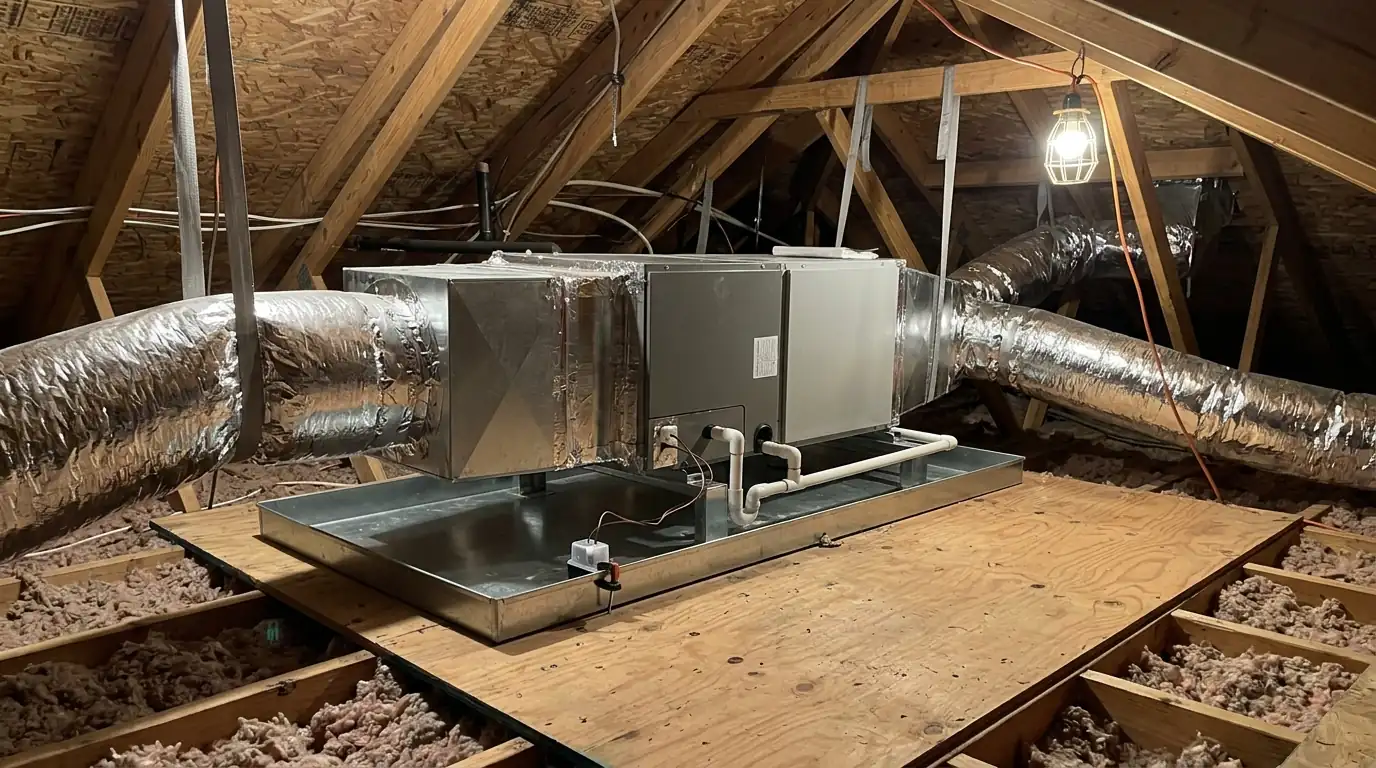
Shut the system off at the thermostat. An attic air handler with a plugged drain can soak drywall fast.
Turn the system off at the thermostat and the breaker. A failing motor or wire should be checked before it runs again.
Infants, older relatives and anyone with a heart or breathing condition should not sit through a July afternoon without air. Tell us when you call.
A person answers, asks what you are seeing and hearing, and suggests anything safe to try while you wait.
Common capacitors, igniters, sensors, motors and filters ride on the truck, so many repairs finish on the first visit.
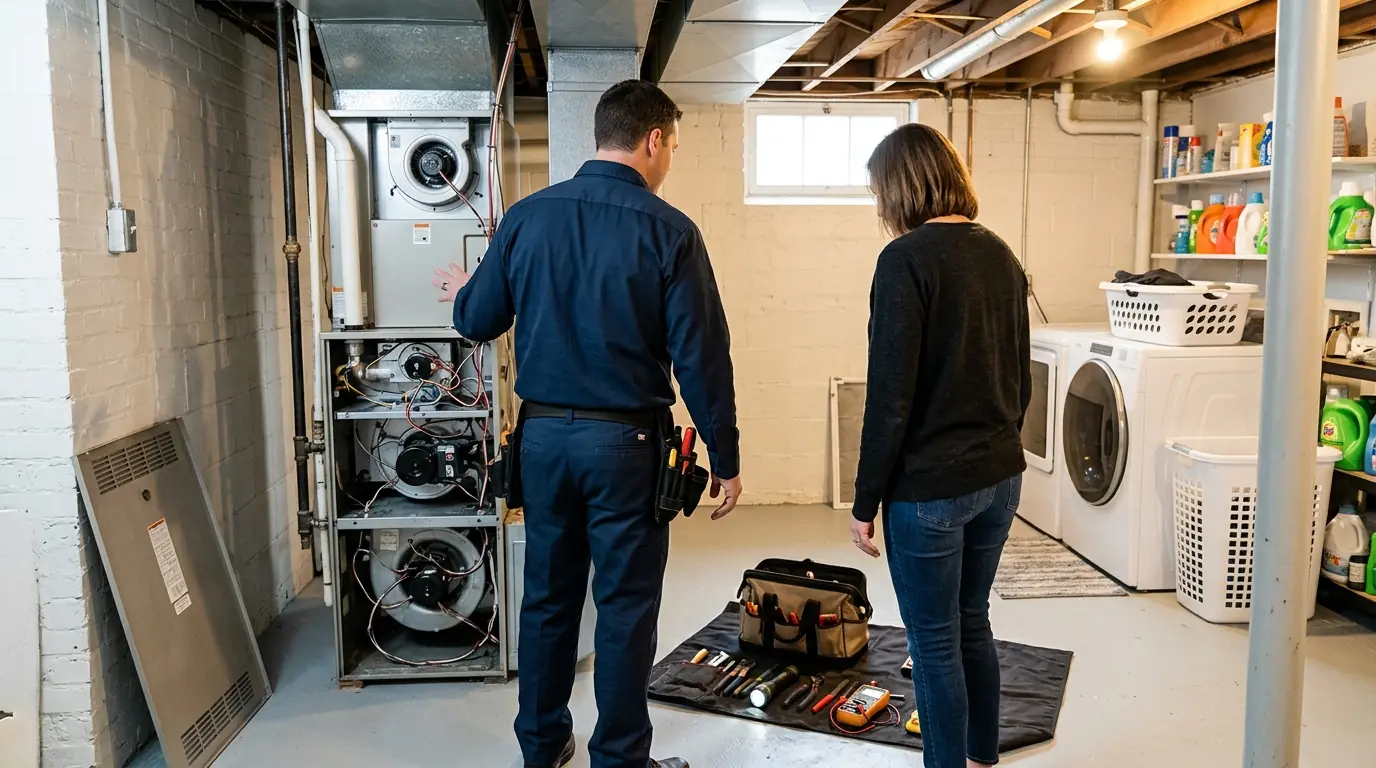
Readings come first: temperatures, pressures, amp draw, static pressure and combustion where gas is involved.
We show you what failed, explain the options and give you the price before any work starts.
After the repair the system runs through a full cycle while we confirm it heats or cools the way it should.
Lexington summers bring humid air that keeps the evening muggy, and winter brings stretches of nights in the 20s with the occasional drop into single digits. A system here has to wring moisture out of July air and still heat the house through a January cold snap. That is why we pay as much attention to airflow and humidity as to raw capacity.
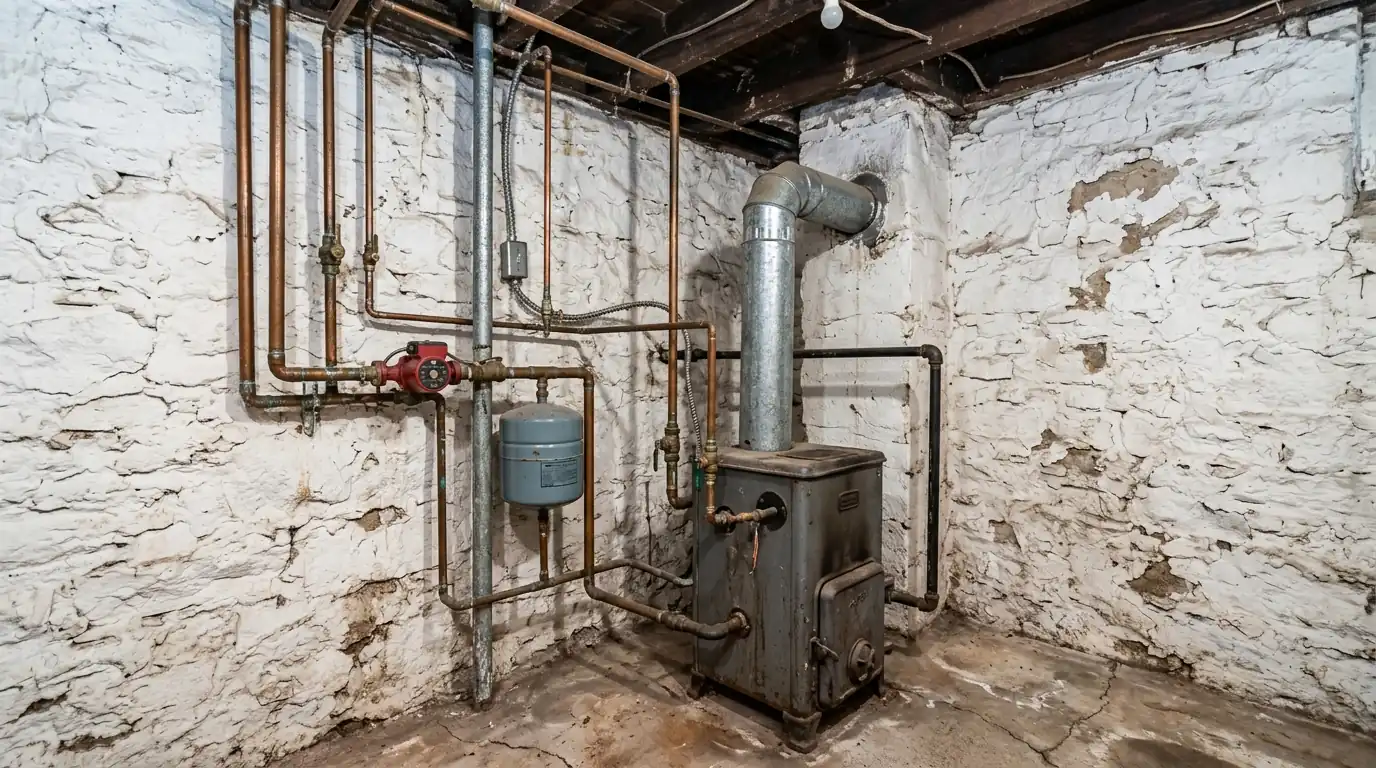
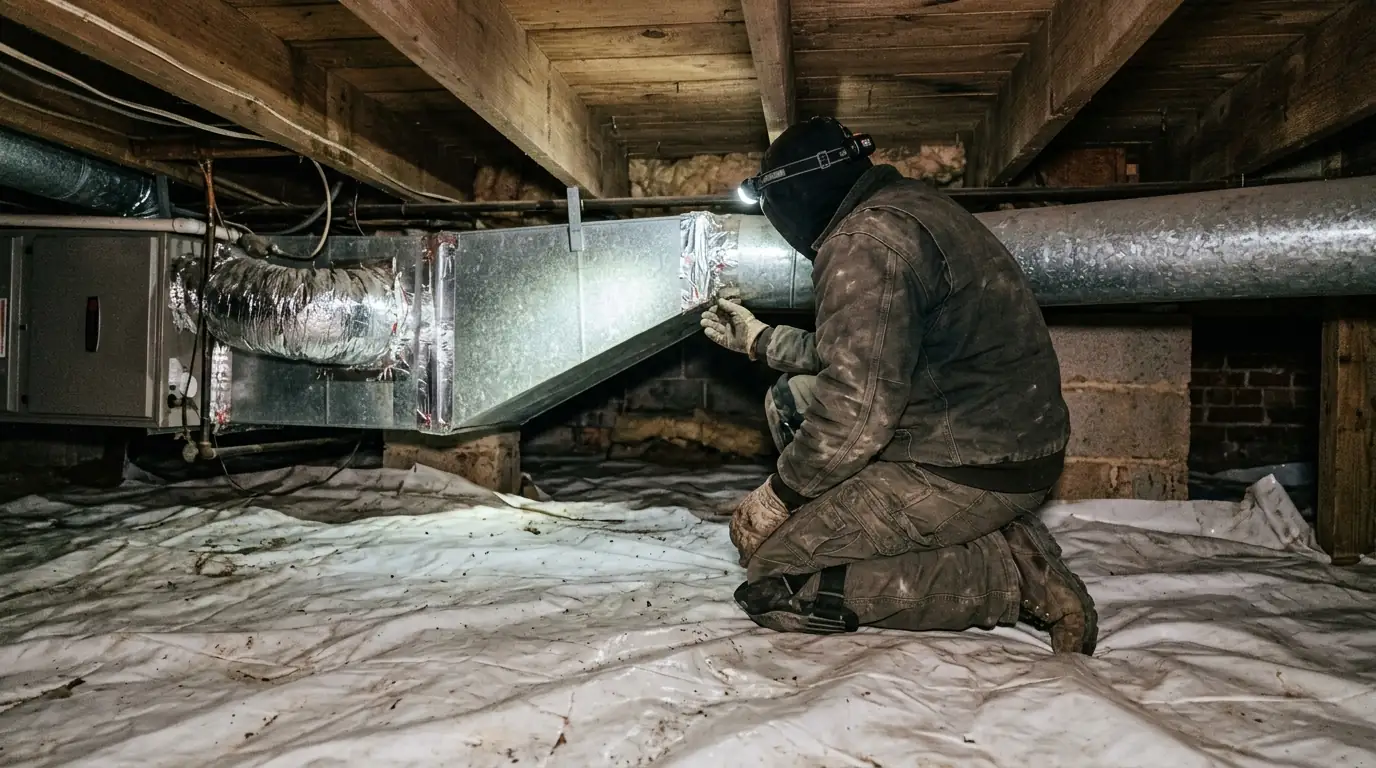
The houses vary a lot within a few miles. Homes near downtown and in Chevy Chase or Ashland Park often date from the 1910s to the 1940s, with boilers, radiators or central air added decades after the house was built. Mid-century ranches in neighborhoods like Gardenside tend to have crawlspace or basement ductwork that has been patched more than once. Subdivisions from the 1990s and 2000s usually have a heat pump or gas furnace with attic ductwork upstairs.
Most Lexington homes get electricity from Kentucky Utilities and natural gas from Columbia Gas of Kentucky where the lines run. That mix is why heat pumps, gas furnaces and dual fuel systems all make sense here, depending on the house. At American Traditional Mechanical we work on all three and do not push one answer for every home.
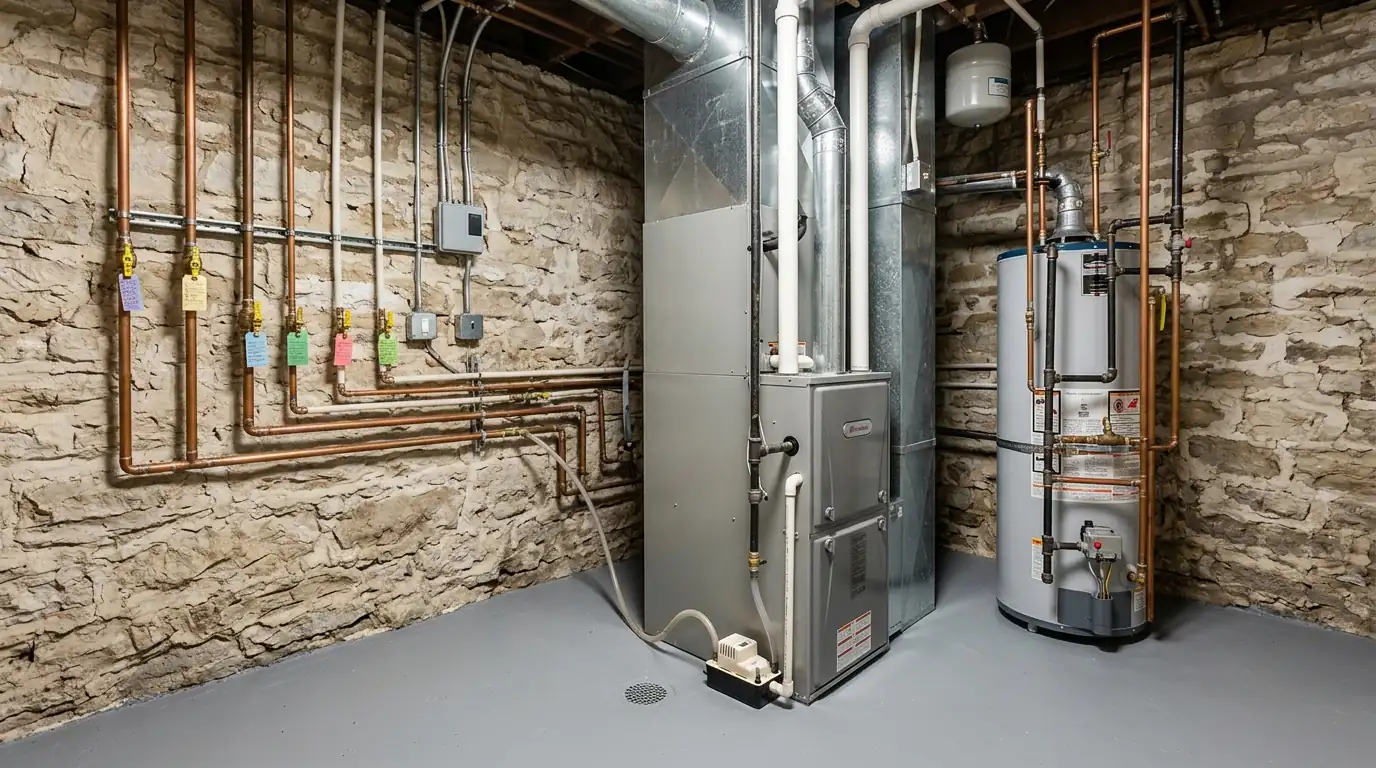
Limestone bedrock sits under much of the Bluegrass, so basements are common but so are damp crawlspaces. Moisture there finds its way into ducts and onto equipment, which is one reason whole-house dehumidifiers and sealed ducts come up so often on our calls.
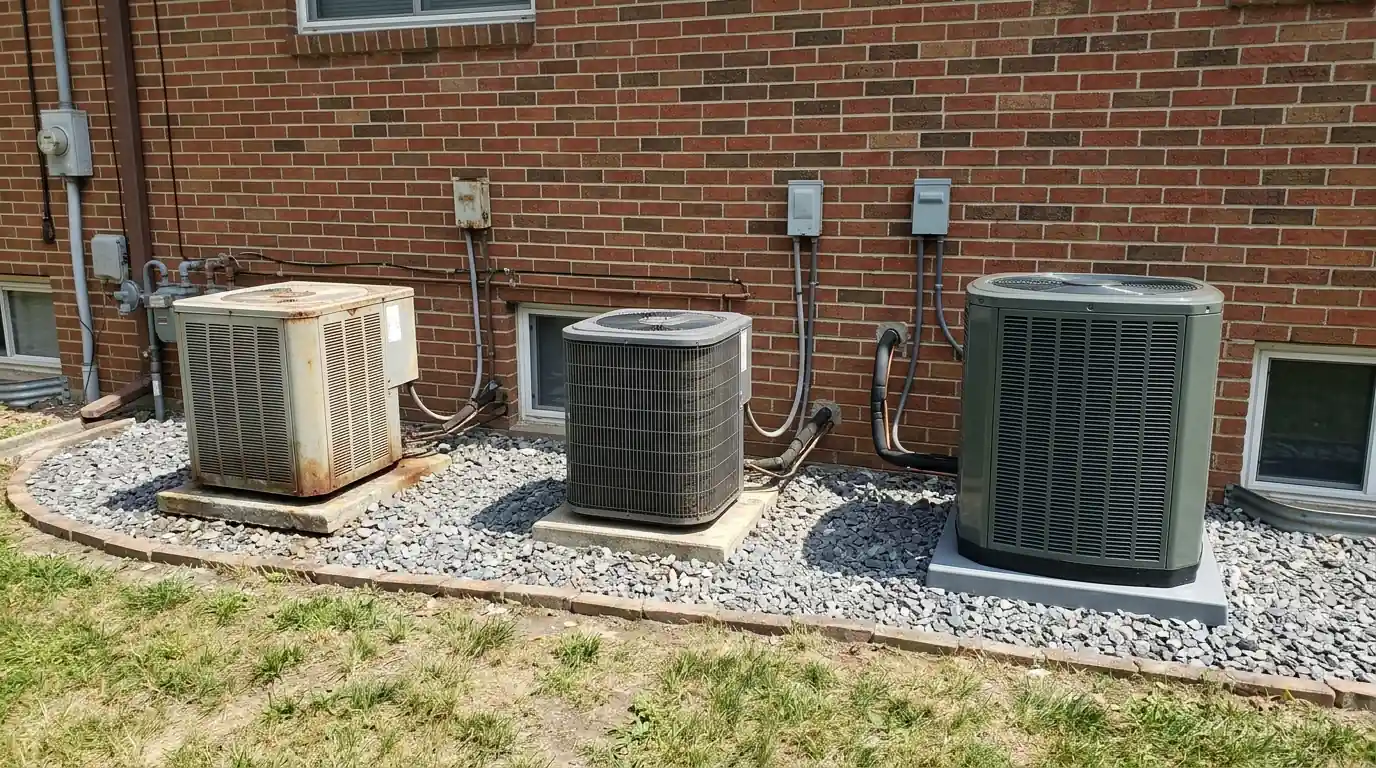
We cover Lexington neighborhood by neighborhood and the towns and counties within reach of our Norway Street office. Type a ZIP code to check, or pick a place below.
Some furnace smells are harmless and fade within the hour. Others mean shut the system off, and a few mean get everyone out of the house first and ask questions later.
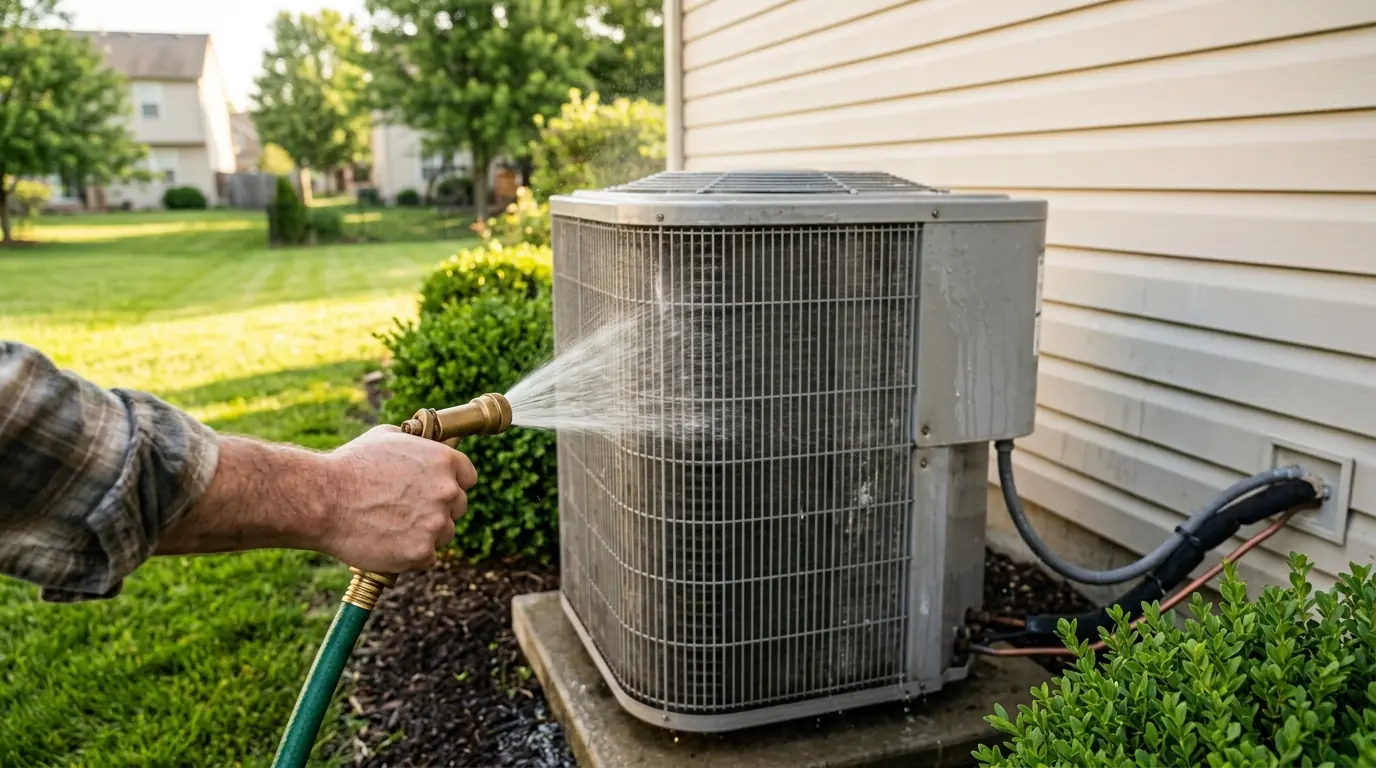
The first stretch of 85-degree, sticky days is when weak capacitors, clogged drains and dirty coils give out. A short homeowner checklist and one test run catch most of it early.
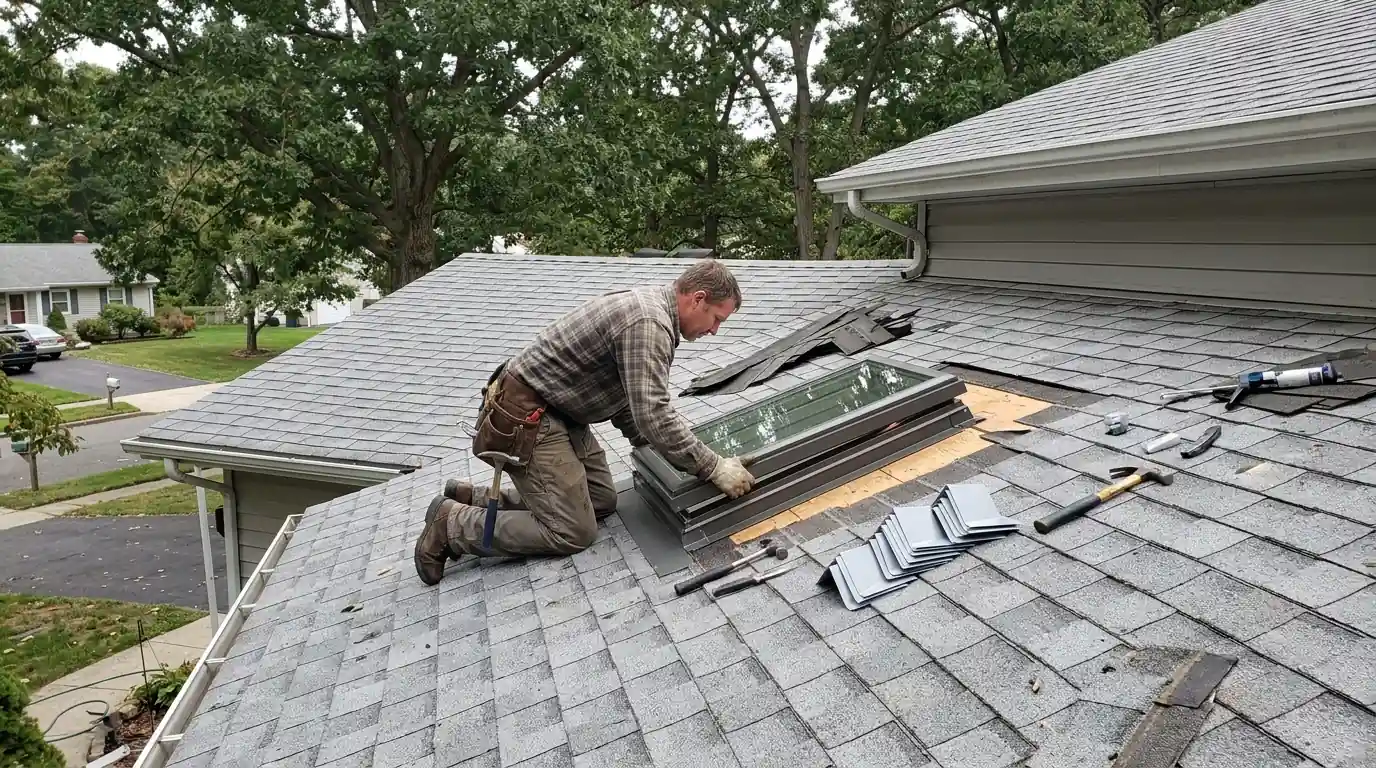
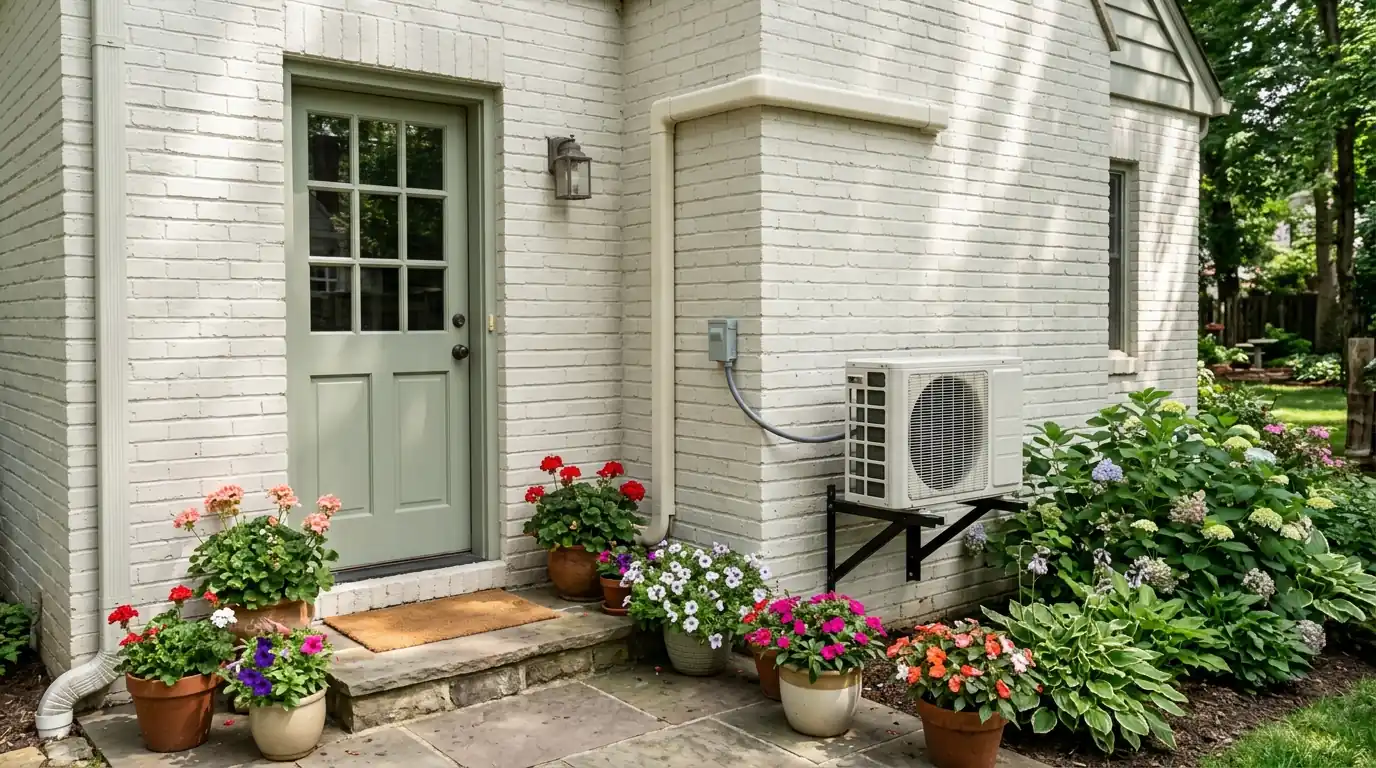
Plaster walls, radiators and tight attics make conventional ductwork hard to fit in Lexington houses from the 1910s to the 1940s. These are the cooling options that actually work in them.
Both are common. Many subdivisions built from the 1980s on rely on heat pumps, while older neighborhoods with Columbia Gas service often have gas furnaces or boilers. Plenty of homes now pair a heat pump with a gas furnace as a dual fuel system. The right choice depends on your gas access, ductwork and how the house holds heat, and we can walk through it on a visit.
Gas furnaces often run 15 to 20 years, while heat pumps and central air conditioners usually last 10 to 15 years because they work in both seasons or through long humid summers. Maintenance, sizing and duct condition shift those numbers more than the brand on the cabinet.
Make sure the thermostat is set to heat and has working batteries, check the breaker for the furnace or air handler, and look at the filter. On a gas furnace, confirm the furnace switch near the unit is on. If none of that helps, call (859) 377-8167 and describe what you hear and see.
Yes. Many homes near downtown and in Chevy Chase and Ashland Park still heat with hot water boilers. We repair and replace boilers and add cooling with ductless or small-duct high-velocity systems, so the radiators can stay.
We look at the age of the equipment, the refrigerant it uses, the cost of the repair compared with the value of the system, and whether the house has comfort problems a repair will not fix. You get the numbers for both paths and the decision stays yours.
Call any hour. Tell us what the system is doing, and a technician who works on heat pumps, furnaces and central air every day will take it from there.