Lexington neighborhood · Fayette County
Boiler, radiator and cooling service in Bell Court (40508)
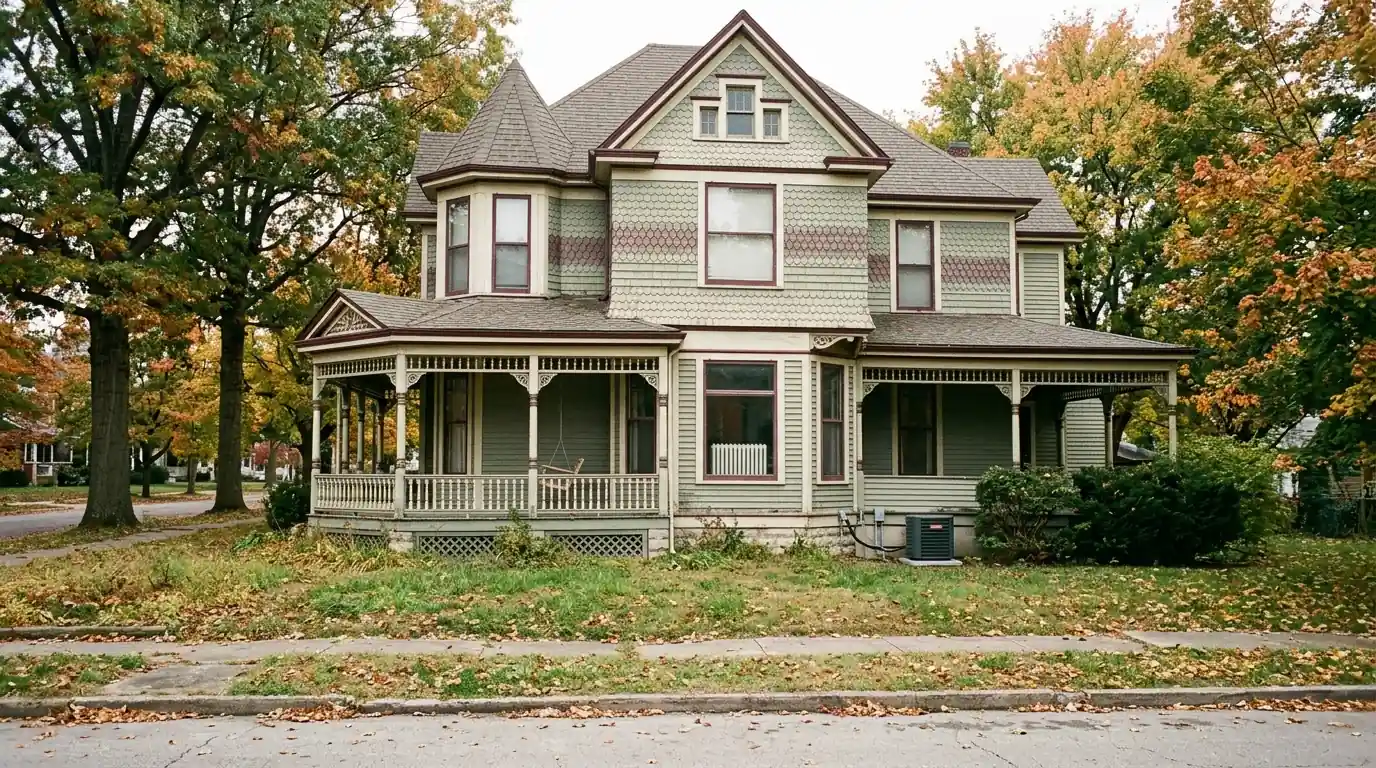
Tall ceilings, cast-iron radiators and a third floor that bakes in July: Bell Court houses were built around 1900, long before central air. We keep the old heat working and fit cooling around the plaster and trim.
Short answer: HVAC service in Bell Court
Bell Court (40508) is a National Register historic district a mile east of downtown Lexington, built up mostly around 1900 with Queen Anne, Victorian and Arts and Crafts houses. Some still heat with hot-water or steam boilers, others with gas furnaces added later. We repair boilers and radiators and add cooling with ductless heads or small-duct high-velocity systems that leave plaster and woodwork intact.
Bell Place lots, Victorian porches and what heats them
Bell Court grew on land around Bell Place, the mansion that has been a public park since it was given to the city in 1940. In 1906 the Bell Place Land Company platted 134 lots along Bell Court and Sayre, Russell, Forest and Boonesboro Avenues, and houses filled them in the Queen Anne, Victorian and Arts and Crafts styles of the day. The district, bounded by East Main Street, Boonesboro Avenue, Walton Avenue and Forest Avenue, went on the National Register in 1980.
Heat in a house this age was never planned around ducts. Some homes still run hot-water or steam boilers feeding cast-iron radiators, the way many of these rooms were first heated. Others have switched to gas forced air, sometimes split into zones because a two-and-a-half-story house rarely heats evenly from one thermostat. Foundations range from partial basements to crawl spaces, so pipes, ducts and wiring often share tight space.
Several larger houses have been divided into condos and apartments, where one unit might have baseboard heat and another a share of an old boiler. We sort out which equipment serves which unit before touching anything. For cooling, our guide to central air in older homes walks through the options in more depth.
Three ways to cool a radiator-heated Bell Court house
When a boiler keeps doing the heating, cooling has to reach the rooms another way. These are the routes we price most often here.
| Option | How air reaches rooms | Fits best when |
|---|---|---|
| Ductless mini split heads | Wall or ceiling units fed by a small line set | A few rooms or a single condo need cooling |
| Small-duct high-velocity | Flexible tubing through closets to small round outlets | The whole house needs cooling and trim must stay untouched |
| Attic air handler with standard ducts | Ceiling registers fed from an open attic | The top floor has a usable attic and a chase can reach lower floors |
Radiator and boiler faults behind most Bell Court calls
Hydronic heat lasts a long time, but these problems turn up every winter in the neighborhood's older houses.
Top-floor radiators stay cold
Air gathers at the high points of a hot-water system. Bleeding the radiators and checking fill pressure usually brings third-floor rooms back, and we look for the leak that let air in.
Relief valve dripping on the floor
A waterlogged expansion tank lets pressure climb every time the boiler fires, so the relief valve dumps water. Recharging or replacing the tank fixes the cause, not just the drip.
Steam pipes that bang
Water trapped in a sagging steam main slams into incoming steam at startup. Re-pitching the pipe, replacing a main vent or lowering the pressure setting quiets most systems.
Circulator humming with no heat
A seized or worn circulator pump leaves the boiler hot and the radiators cold. We test the pump, its relay and any zone valves before ordering parts.
Old boiler on a coal-era chimney
Older boilers often vent into a large masonry chimney. A new boiler usually needs a liner or a sidewall vent, and we measure draft and carbon monoxide before calling the job done.
Radiators buried under paint and covers
Thick paint, solid covers and furniture trap heat inside the cast iron. Vented covers and a little clearance can warm a chilly room without touching the boiler.

Notes for a visit on Sayre, Forest or Russell Avenue
Divided houses and on-street parking make a little planning worthwhile before we arrive.
- Tell us where a truck can park and which door leads to the boiler.
- In a condo building, find out which unit each boiler, furnace or condenser serves.
- Clear the basement stairs and a few feet around the boiler or furnace.
- Bleed hot-water radiators each fall and note any that keep collecting air.
- Ask about a ductless head before buying another window unit for the third floor.
- If radiators bang hard or the boiler smells of exhaust, call (859) 377-8167 any hour.
What Bell Court homes call us for
Boiler Repair
Hot-water and steam boilers still heat a share of Bell Court houses, and worn circulators, tanks and valves are the usual reasons they stop.
Ductless Mini Split Installation
Wall heads cool third-floor bedrooms and individual condo units without cutting plaster or running ducts past original trim.
High-Velocity Central Air
Small flexible tubing fits through closets and floor cavities, giving whole-house cooling while the radiators keep handling winter heat.
Boiler Replacement
When a cast-iron boiler is past saving, a correctly sized replacement with proper venting keeps the radiators and cuts fuel use.
Radiant Floor Heating
A kitchen or bath remodel is a good moment to tie a hot-water floor loop into the existing boiler instead of adding a radiator.
Carbon Monoxide Safety Check
Boilers and furnaces venting into old masonry chimneys deserve a draft and carbon monoxide test, especially after chimney repairs.
Neighboring areas around Bell Court
Asked by homeowners in Bell Court
Which suits a Bell Court third floor better, a mini split or high-velocity air?
If the third floor is one or two rooms, a ductless head is usually simpler: one wall unit, a small line set and its own controls. If you want the whole house cooled, a small-duct high-velocity system can serve the third floor along with every level below it, using outlets about two inches across. The attic space and closet layout usually decide which one fits.
Should a Bell Court house keep its cast-iron boiler or switch to forced air?
If the radiators and piping are sound, keeping hot-water heat usually makes sense. Heat from cast iron is even and quiet, and a new boiler can replace an old one without disturbing the radiators. Switching to forced air means cutting duct paths through plaster, which gets costly in a house this age. We compare both after checking the piping, radiators and vent route.
How do you handle heating repairs in a Bell Court house divided into condos?
We start by mapping what serves whom. Some converted houses share one boiler across units, while others have a separate furnace or baseboard heat in each. We confirm which equipment, thermostat and shutoff belong to your unit, arrange access to shared basements with the owner or association, and avoid cutting off a neighbor's heat without warning.
Can a Bell Court kitchen addition get floor heat from the existing boiler?
Often it can. A hot-water boiler can feed a radiant floor loop through a mixing valve that lowers the water temperature for the floor. We check whether the boiler has spare capacity, where the loop would tie in and how the floor build-up affects door and cabinet heights, then give you a written price.
Heating or cooling trouble in Bell Court?
Call (859) 377-8167 any hour. Tell us what the system is doing and where you are, and we will take it from there.