Lexington neighborhood · Fayette County
Furnace and heat pump service in Lansdowne (40502)
In a Lansdowne split-level, the upper bedrooms can sit at 78 while the family room downstairs feels like a cellar. That split is a duct and control problem, and it is usually fixable.
Short answer: HVAC service in Lansdowne
We service and replace gas furnaces, heat pumps and dual fuel systems across Lansdowne (40502), the 1960s neighborhood just inside New Circle Road between Tates Creek and Nicholasville Roads. Most homes are brick ranches, Cape Cods and split-levels, so we pay close attention to how air reaches each level and whether the original heating setup still makes sense.
Split-levels and brick ranches inside New Circle Road
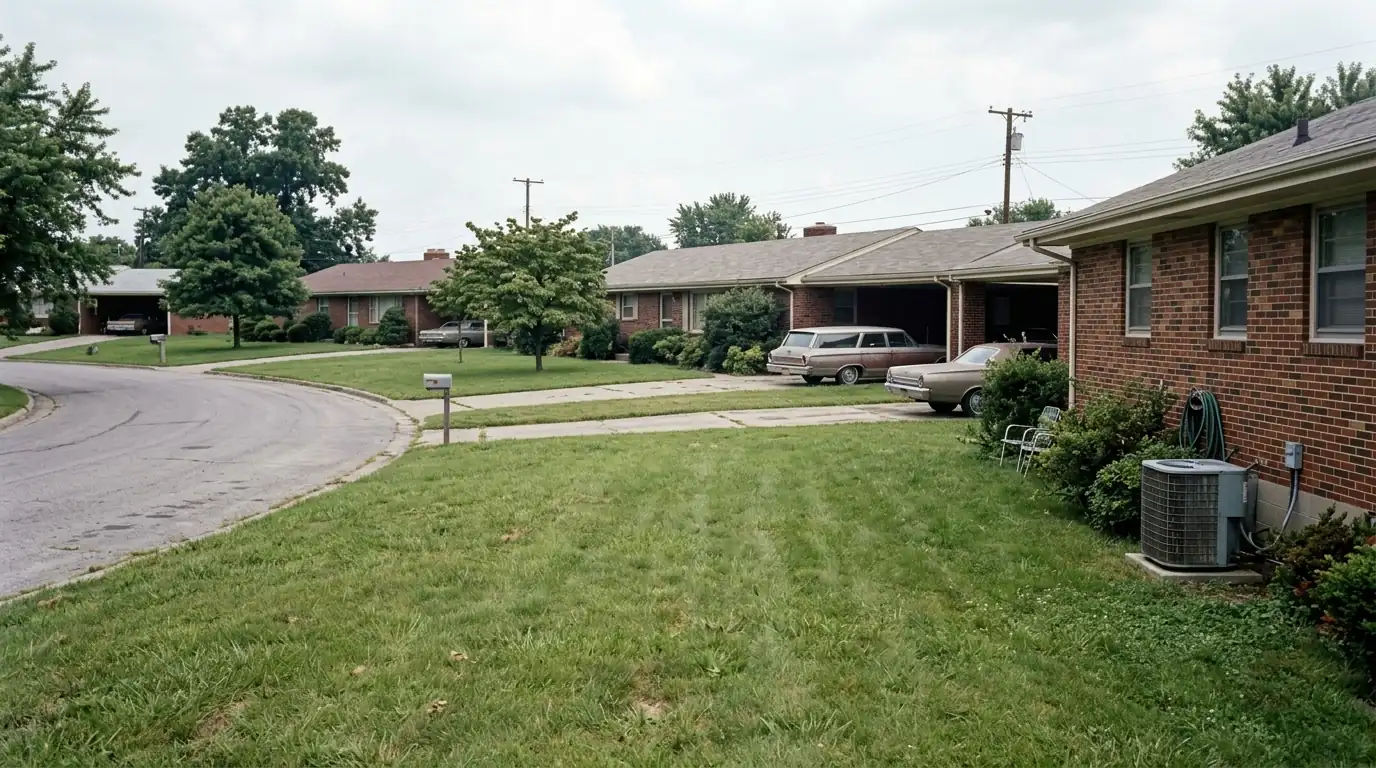
Lansdowne took shape in the 1960s and 1970s, filling the land just inside New Circle Road between Tates Creek Road and Nicholasville Road. Streets like Lansdowne Drive, Bellefonte Drive, Heather Way and Larkin Road are lined with brick ranches, Cape Cods and split-levels, many with hardwood floors and some with midcentury wood paneling still in place. Zandale Park sits inside the neighborhood, and the Arboretum is close by.
Heating setups vary from house to house. Some still run a gas furnace with central air, some went all-electric with a heat pump, and some kept the furnace and added a heat pump on top of it. That last arrangement is the idea behind a dual fuel system: the heat pump handles mild days, and the furnace takes over in deep cold.
Split-levels are the tricky ones. The equipment usually sits on the lowest level, the bedrooms sit half a floor up, and the main living area is in between. Warm air drifts up to the bedrooms in winter while cool air settles to the lower level in summer, so a single thermostat in the middle cannot please every floor.
What throws Lansdowne split-levels out of balance
These are the causes we look for when one level of a Lansdowne home runs hot or cold.
Returns on only one level
Many split-levels have return grilles on the main floor only. Upper bedrooms then push air out under closed doors, and warm, stale air collects upstairs.
An old furnace still limping
A furnace from the 1990s or earlier may still light, but cracked heat exchangers, worn inducer motors and failing igniters become common at that age.
Lower level always chilly
The family room below grade loses heat to cool soil and gets the coldest air in summer. Dampers on that branch are often wide open when they should be partly closed.
Heat pump and furnace fighting
Poorly configured dual fuel controls can switch to gas too early or too late, wasting energy. The changeover setting needs to fit Lexington winter temperatures.
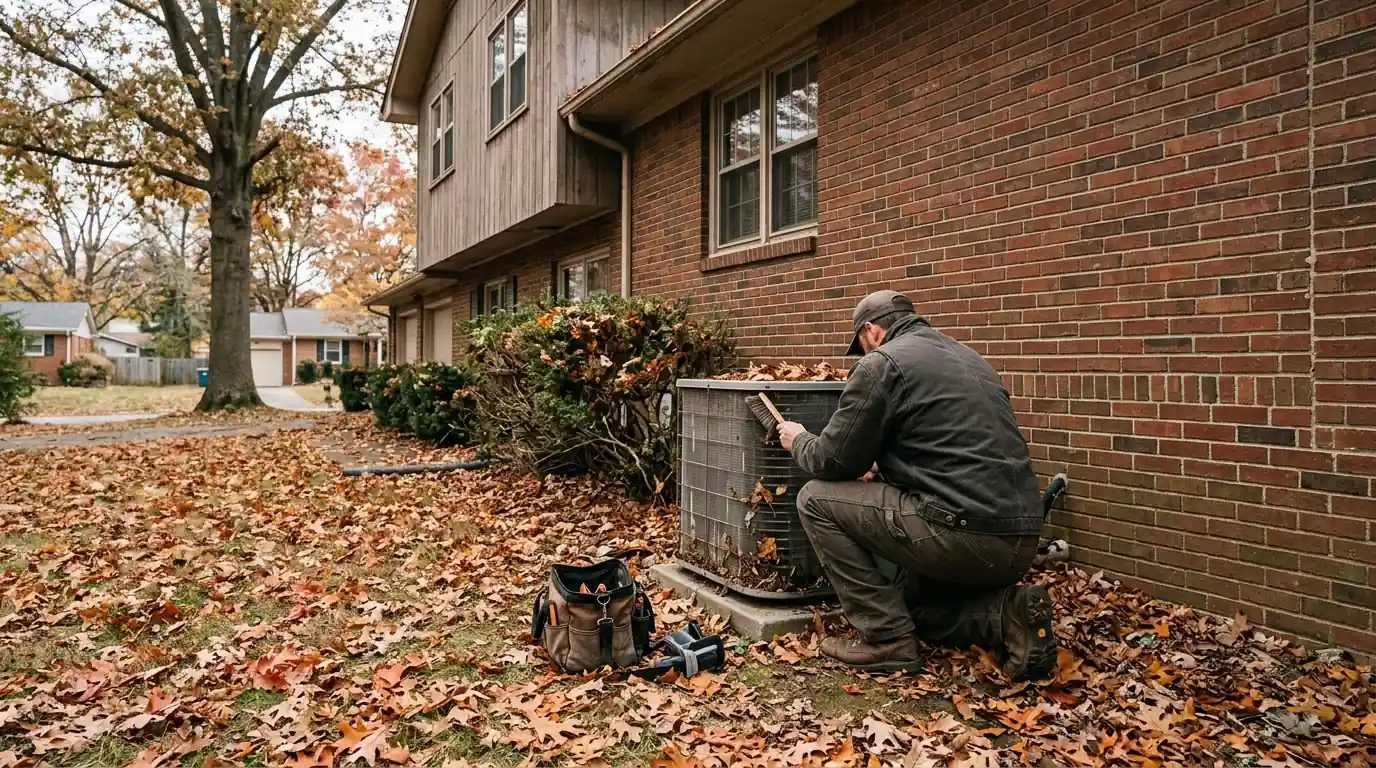
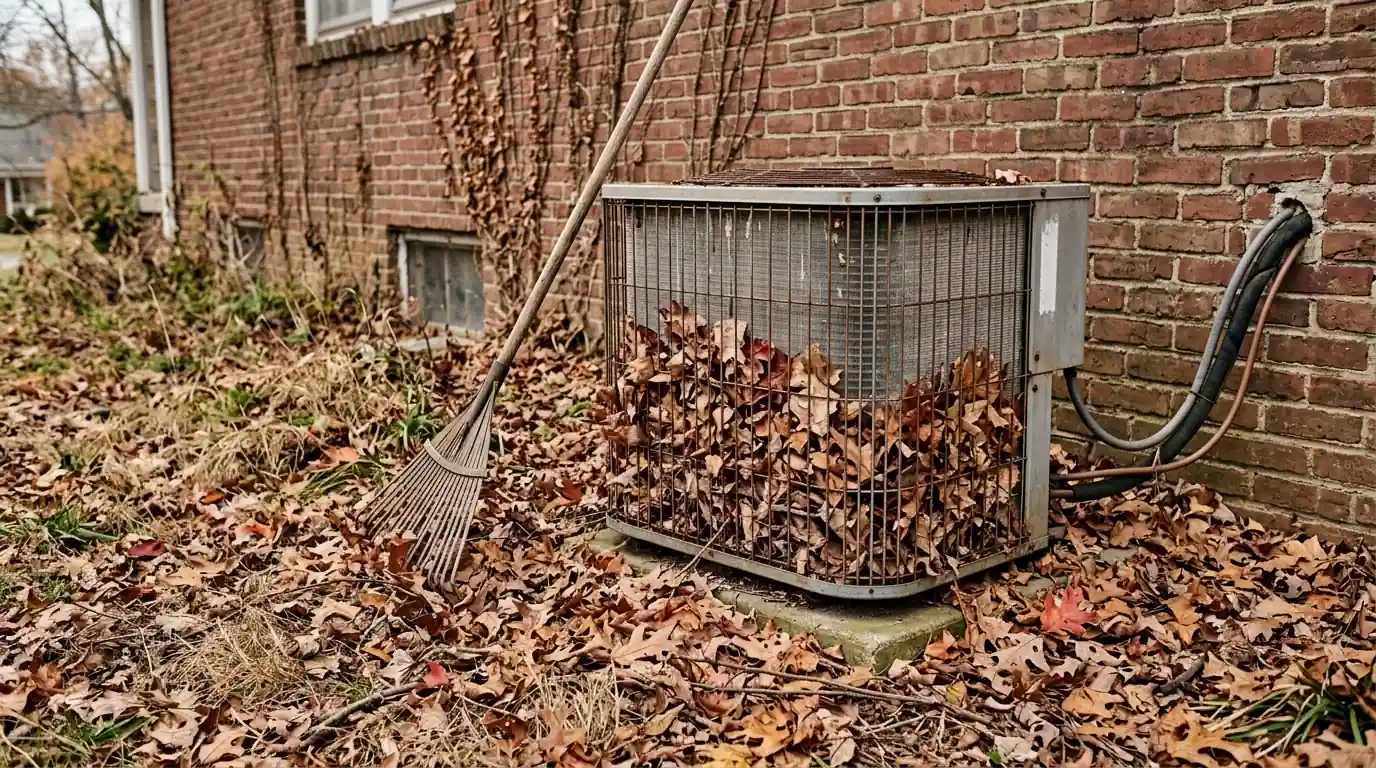
Leaf-packed outdoor coils
Mature trees around Lansdowne drop leaves and seeds into condenser fins every fall, cutting airflow before heat pump season even starts.
Gas furnace, heat pump or dual fuel for a Lansdowne ranch
When an older furnace or condenser needs replacing, these are the three paths owners here usually weigh.
| Setup | Where it shines | Tradeoff |
|---|---|---|
| Gas furnace with central air | Hot, steady heat on the coldest nights | Two separate systems to maintain |
| All-electric heat pump | Efficient heating and cooling most days | Leans on backup strips in deep cold |
| Dual fuel | Heat pump most of the year, gas in cold snaps | Higher upfront cost and careful setup |
Fall and spring checkups suited to Lansdowne's mature trees
A tune-up in each season catches the problems this neighborhood tends to produce. In spring, we clean leaf debris from the condenser, check refrigerant pressures and measure airflow to the upper level. In fall, we inspect the furnace heat exchanger, test the flame sensor and igniter, and confirm the dual fuel changeover is set where it should be.
If the upstairs and downstairs never agree, ask about zoning the levels separately with motorized dampers and a second thermostat. Neighbors farther out the corridor can see our notes on Tates Creek homes, which are mostly from the 1970s. When heat fails on a winter night, call American Traditional Mechanical at (859) 377-8167.
The work we do most often in Lansdowne
Dual Fuel Systems
Pairing a heat pump with an existing gas furnace suits Lansdowne homes that already have a gas line and sound ductwork.
Furnace Tune-Ups
Older furnaces benefit from a yearly check of the heat exchanger, igniter, flame sensor and venting before heating season.
HVAC Zoning Systems
Split-levels with one thermostat almost always fight between floors, and zoning gives each level its own control.
Airflow Balancing
Measured airflow and damper adjustments shift air from the lower level to the upper bedrooms where it is needed.
Heat Pump Maintenance
Spring and fall service keeps outdoor coils clear of leaves and verifies defrost and changeover settings.
Furnace Repair
When a furnace quits on a cold night, igniters, flame sensors, inducer motors and limit switches are the usual culprits.
Asked by homeowners in Lansdowne
Should I replace my Lansdowne gas furnace with a heat pump?
It depends on the furnace's age, your ductwork and how you weigh gas against electric costs. Many Lansdowne owners keep the gas line and add a heat pump, using gas only on the coldest nights. Our article on choosing a heat pump or gas furnace walks through the comparison.
Why is the lower level of my Lansdowne split-level so cold in winter?
Below-grade rooms lose heat to the surrounding soil, and the duct branches feeding them are often short and undersized. Warm air also rises away from that level. We check supply and return airflow on each floor, adjust dampers and, when needed, recommend an added return or a zoning system.
How often should a Lansdowne dual fuel system be serviced?
Twice a year works best: once in spring before cooling season and once in fall before heating. The spring visit focuses on the heat pump and refrigerant side, while the fall visit covers the furnace, venting and the changeover setting that decides when gas takes over from the heat pump.
Heating or cooling trouble in Lansdowne?
Call (859) 377-8167 any hour. Tell us what the system is doing and where you are, and we will take it from there.