Heat Pumps · Lexington, KY
Heat pump maintenance in Lexington, twice a year
A heat pump runs in both seasons, so small problems like a drifting charge, a weak capacitor or a matted coil grow quietly until a cold night or a hot week exposes them.
Lexington and nearby counties
Line open 24/7Short answer: Heat Pump Maintenance in Lexington, KY
Heat pump maintenance in Lexington means a visit in spring and another in fall. The technician cleans the outdoor coil, tests capacitors and contactors, checks refrigerant charge by superheat or subcooling, forces a defrost cycle, measures heat strip amperage, clears the condensate drain and measures airflow. A visit typically costs $139 to $286, more if the coil needs a deep chemical cleaning.
What gets tested at every heat pump visit
This is the core list our technician works through on both the spring and fall visits, with readings written down so the next visit can compare.
- Rinse the outdoor coil from the inside out and straighten bent fins.
- Test run and fan capacitors against their rated microfarads.
- Inspect the contactor for pitted points and tighten electrical lugs.
- Read refrigerant pressures and confirm the charge by superheat or subcooling.
- Force a defrost cycle and watch the reversing valve shift cleanly.
- Measure amperage on each heat strip and check the sequencers.
- Flush the condensate drain and test the float safety switch.
- Measure supply and return temperatures and total external static pressure.
- Confirm the thermostat stages correctly between heat pump, AUX and EM heat.
Why the fall visit is different from the spring one
The fall visit is aimed at winter. We put the system in heating mode, force a defrost, check that the outdoor coil sensor reads correctly and measure the current on each stage of heat strips. A failed strip or sequencer often goes unnoticed in October and then leaves the house short on heat during the first cold snap. We also check the outdoor temperature lockout settings, since a lockout set too high wastes electricity and one set too low leaves the house chilly.
The spring visit is aimed at Lexington's humid summers. We clean the coil after a winter of leaves and road dust, flush the drain line before algae season, and confirm the indoor coil is dry and clean. Summer moisture removal depends on airflow being right, so we measure static pressure and blower speed. If the house has felt clammy in past summers, that reading is often where the explanation starts, along with the points in our guide to clammy summer air.
Problems a maintenance visit catches early
These are the findings we write up most often on routine heat pump visits around central Kentucky, usually before the homeowner has noticed anything.
Capacitor drifting low
A run capacitor that tests 15 percent under its rating still starts the unit today. It overheats the compressor windings and tends to fail completely on the hottest or coldest day.
Matted outdoor coil
Cottonwood fluff, grass clippings and pollen pack into the fins. A blocked coil raises head pressure in summer and frosts faster in winter, so it costs money in both seasons.
Slow refrigerant loss
A charge that reads a little low each visit points to a small leak. Catching it early means repairing a fitting instead of replacing a compressor that ran hot for two seasons.
Defrost sensor out of range
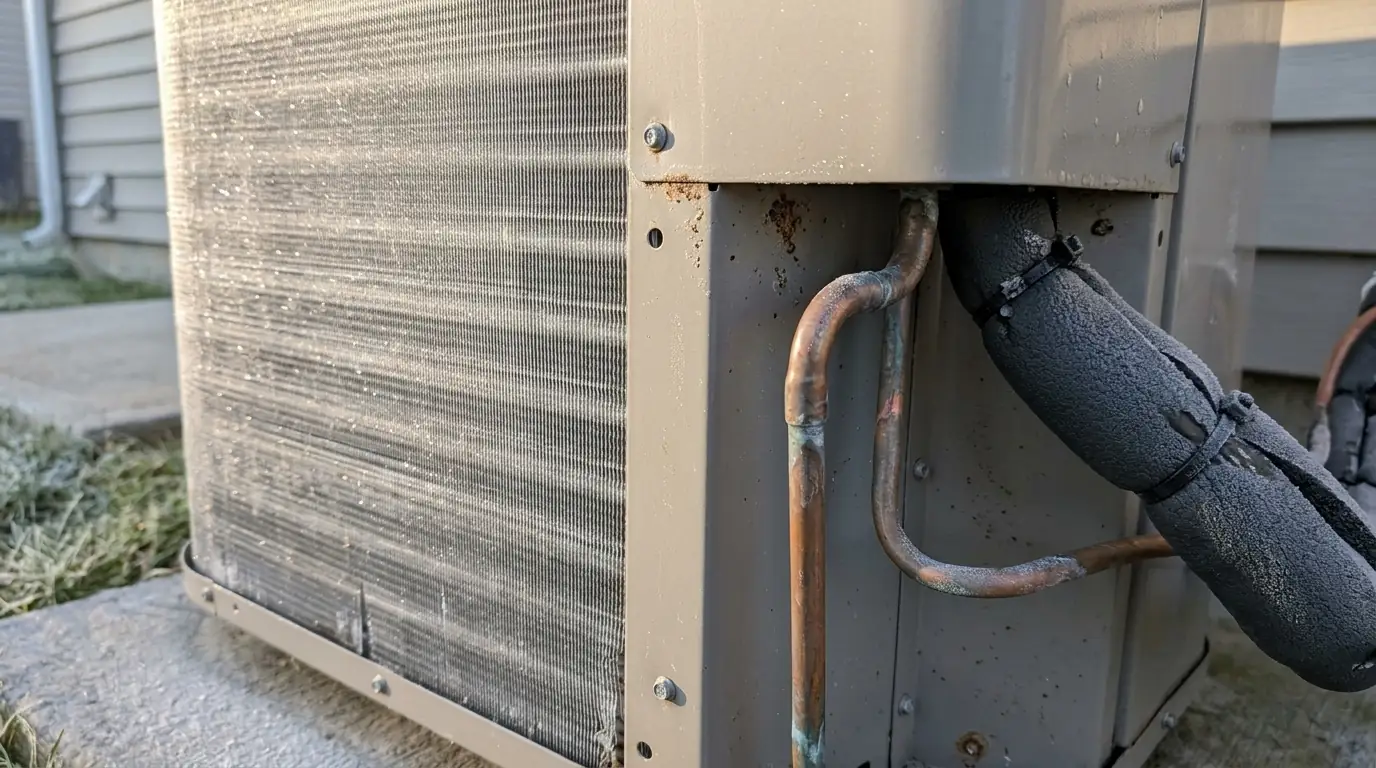
A sensor that reads a few degrees off can start defrost too often, wasting energy, or too rarely, letting ice build into a solid block on a damp January night.
Partly clogged drain
Algae and dust build a slime plug in the condensate trap. In a crawlspace or attic air handler, that can mean water damage before anyone sees a drip.
Dead heat strip element
One open element in a three-stage kit can go unnoticed until the outdoor temperature drops below the balance point and the house simply cannot keep up.
How a maintenance appointment unfolds
A typical visit takes 60 to 90 minutes for one system. Two systems at the same house, or a crawlspace air handler, can add time.
Talk first
We ask about comfort issues, odd noises, high bills or rooms that never feel right. Those details tell us where to spend extra time.
Outdoor unit service
Power off, panels off, coil rinsed, electrical parts tested and tightened, then the fan blade and motor checked for wobble and bearing noise.
Indoor unit service
Filter checked, blower and coil inspected, drain flushed, float switch tested and the heat strips measured with a clamp meter.
Run it in both modes
We measure performance in heating and cooling, force a defrost and confirm the thermostat stages backup heat correctly.
Report what we found
You get the readings, a plain list of anything wearing out and a written price for any repair. Nothing extra gets done without your approval.
Heat pump maintenance pricing in the Lexington area
A standard visit lands in this range. Most homeowners schedule two a year, one before heating season and one before cooling season.
- Number of systems. A two-story home with an upstairs and downstairs system needs both serviced, which roughly doubles the visit length and cost.
- Air handler access. Units in tight crawlspaces or hot attics take longer to reach and work on than a basement or closet air handler.
- Coil condition. A light rinse is included. A heavily matted outdoor coil or a dirty indoor coil that needs a chemical cleaning adds labor and materials.
- Drain line work. A routine flush is part of the visit. A drain that is fully clogged or poorly pitched may need a repair priced separately.
- Parts found worn. Capacitors, contactors and filters found failing are quoted separately, so you decide on each one before we install it.
This range is typical, not a quote. You get a written price after we look at your system and confirm how many units and how much access work is involved. Compare typical prices for every service.
Keeping a heat pump healthy through Bluegrass seasons
Central Kentucky asks a lot of a heat pump. Spring and fall pollen coats the outdoor coil, cottonwood seeds drift in late May, and humid summer air keeps the indoor coil and drain wet for months. Winter brings damp nights in the 20s, when the unit runs defrost cycles every hour or so. All that running adds up to far more hours than an air conditioner logs in a year.
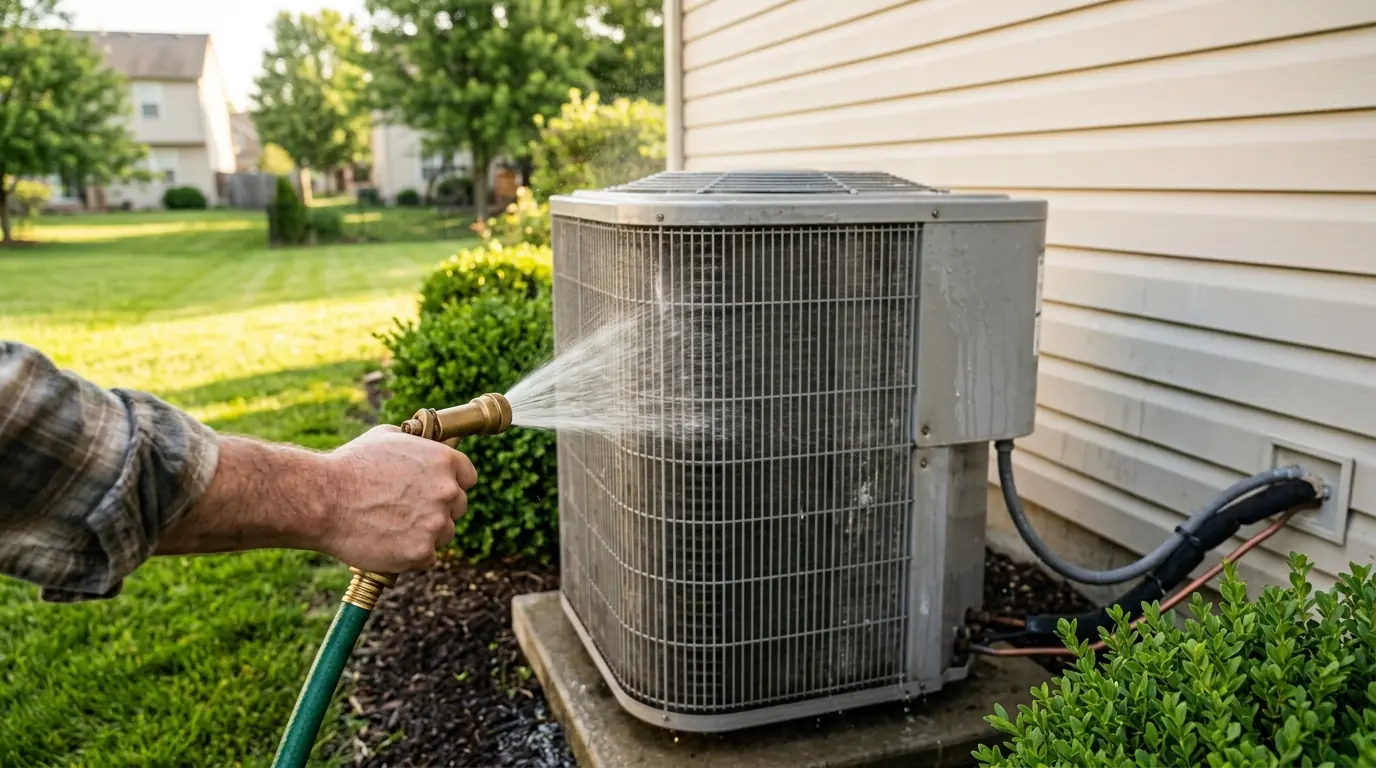
A few homeowner habits help between visits. Keep shrubs and fencing at least 18 inches from the outdoor unit, hose off the coil gently from the inside if you can reach it safely with the power off, and change the filter on schedule. Our filter size and MERV guide covers how often during pollen season. If the unit ices up anyway or blows cool air between visits, our heat pump repair service picks up the phone at (859) 377-8167 day or night.
We work on Carrier, Trane, Lennox, Rheem and Goodman equipment along with every other major brand found in Lexington homes, and the same testing comes first on all of them.
Neighborhoods and towns that call us for heat pump maintenance
We cover every Lexington neighborhood and the towns around it. These are the places we visit most for this work; the full list is on our Fayette County page and the service area page.
Further reading from our Comfort Blog
Get your AC ready before the first hot, humid week
The first stretch of 85-degree, sticky days is when weak capacitors, clogged drains and dirty coils give out. A short homeowner checklist and one test run catch most of it early.
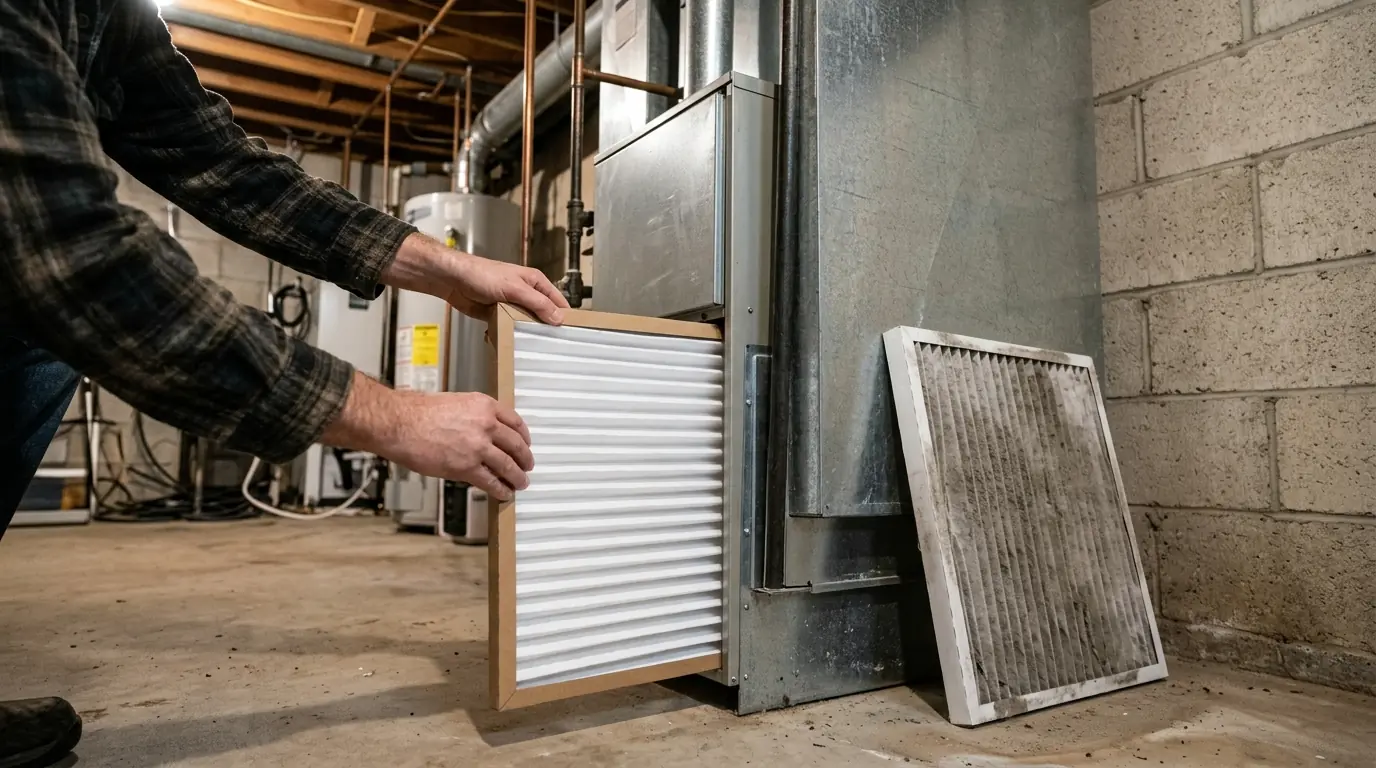
How often to change a furnace filter, and which MERV
The filter is the cheapest part of your heating and cooling system, and the one most often ignored. Getting the size, thickness and change schedule right protects the equipment and the air you breathe.
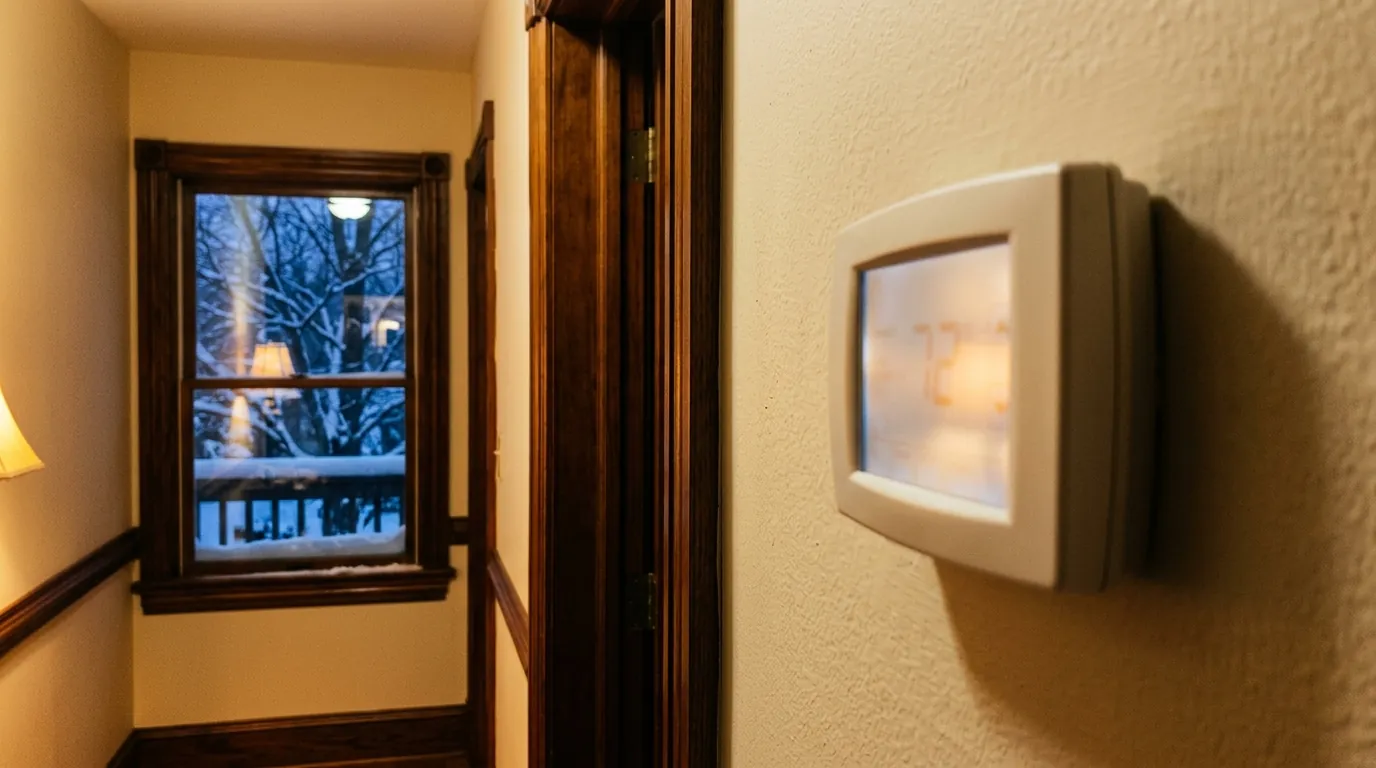
AUX heat and EM heat explained for cold snaps
Those two small labels on a heat pump thermostat cause more winter confusion than almost anything else. One is automatic and expected. The other is a manual setting you should rarely need.
Heat Pump Maintenance: what Lexington homeowners ask
Why does a heat pump need maintenance twice a year instead of once?
An air conditioner rests all winter and a furnace rests all summer, but a heat pump heats and cools with the same compressor, coil and fan. It logs roughly twice the running hours. The spring and fall visits each target the season ahead: heating, defrost and strip heat in fall, coil cleaning, drain and moisture removal in spring.
Can I clean my heat pump outdoor coil myself?
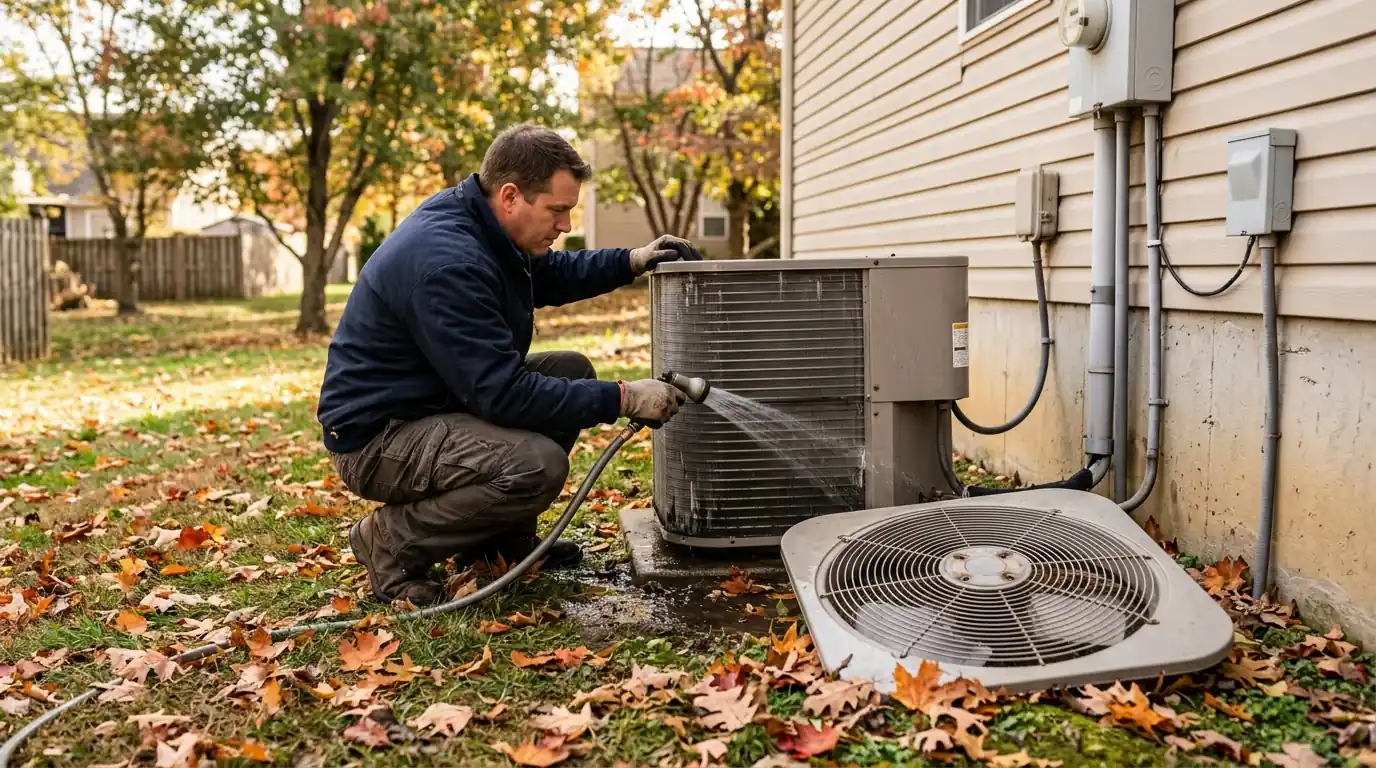
You can do a light rinse safely. Turn off the power at the outdoor disconnect, clear debris from the top and sides, then use a garden hose with gentle pressure, ideally spraying from the inside out. Skip the pressure washer, since it flattens the aluminum fins. A coil that stays matted after a rinse needs a proper coil cleaner and a technician.
Does heat pump maintenance help with high winter electric bills?
It often does. The biggest causes of high winter KU bills on a heat pump are heat strips running more than they should and a heat pump losing capacity from low charge or a dirty coil. A maintenance visit checks the lockout settings, strip amperage and refrigerant charge, which are exactly the things that drive strip heat use. Our article on AUX and EM heat explains more.
How do I know if my heat pump defrost cycle is working?
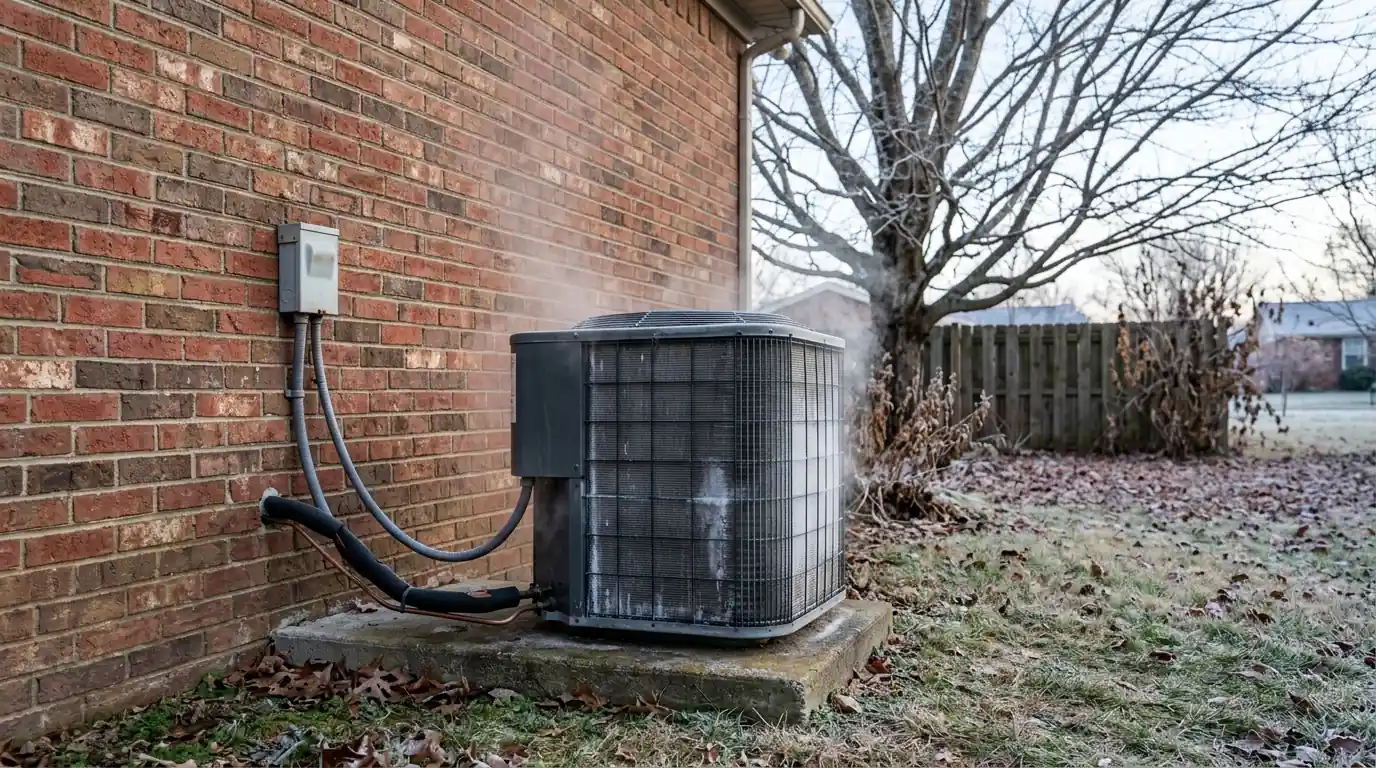
On a cold damp day you should see a light, even frost on the outdoor coil that clears every 30 to 90 minutes. During defrost the fan stops, the unit makes a whoosh, and steam rises for a few minutes. If frost thickens into solid ice that never clears, or the bottom of the coil stays frozen for hours, the defrost board, sensor or charge needs checking.
Need heat pump maintenance today?
A person answers (859) 377-8167 day and night. Tell us what you are seeing and a technician takes it from there.