Comfort Blog
Getting central air ready before the first hot week in central Kentucky
The first stretch of 85-degree, sticky days is when weak capacitors, clogged drains and dirty coils give out. A short homeowner checklist and one test run catch most of it early.
By Alton Gilley, Comfort Blog EditorPublished Answered 24/7 at (859) 377-8167
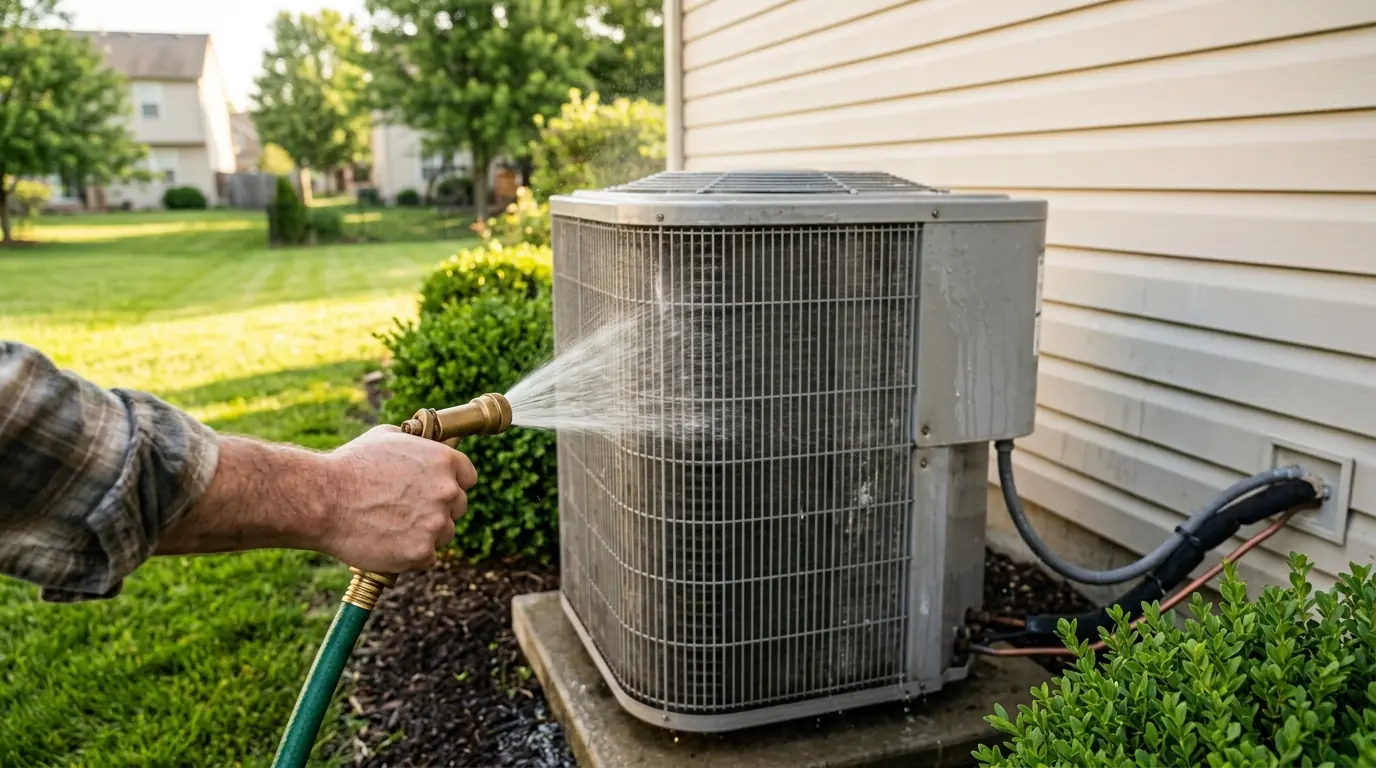
Short answer: Getting central air ready before the first hot week in central Kentucky
Before the first hot, humid week, replace the air filter, clear two feet around the outdoor unit, rinse pollen and cottonwood fluff off its fins with the power off, confirm the condensate drain is open, and test cooling on a warm day above 65 degrees. Air at the supply register should run about 15 to 20 degrees cooler than air at the return.
Why the first muggy week exposes a tired air conditioner
Through April and early May, most central Kentucky air conditioners barely run. Then a week arrives with highs in the upper 80s and nights that stay in the 70s with heavy humidity, and the system goes from idle to running most of the day. Parts that were marginal last fall, such as a weak capacitor or a contactor with pitted points, fail under that sudden load.
Spring adds its own problems. Tree pollen coats the outdoor coil, cottonwood fluff from trees along creeks mats against the fins, and storms leave twigs and leaves inside the unit. Indoors, filters that handled winter fine fill up quickly once pollen season starts and windows have been open. In homes with a crawlspace air handler, a wet spring can also leave the drain line slimy before cooling season even begins.
Everyone across Lexington and the surrounding counties discovers their problem the same week, so service calls stack up and parts like capacitors and fan motors get scarce on supply house shelves. A test run a few weeks ahead puts you at the front of that line instead of in it, and it turns a breakdown into an ordinary appointment.
Your spring checklist for the outdoor unit and the house
None of these need tools beyond a garden hose. Turn the power off at the outdoor disconnect before touching the condenser.
- Replace the air filter, and check it again after two weeks of heavy pollen
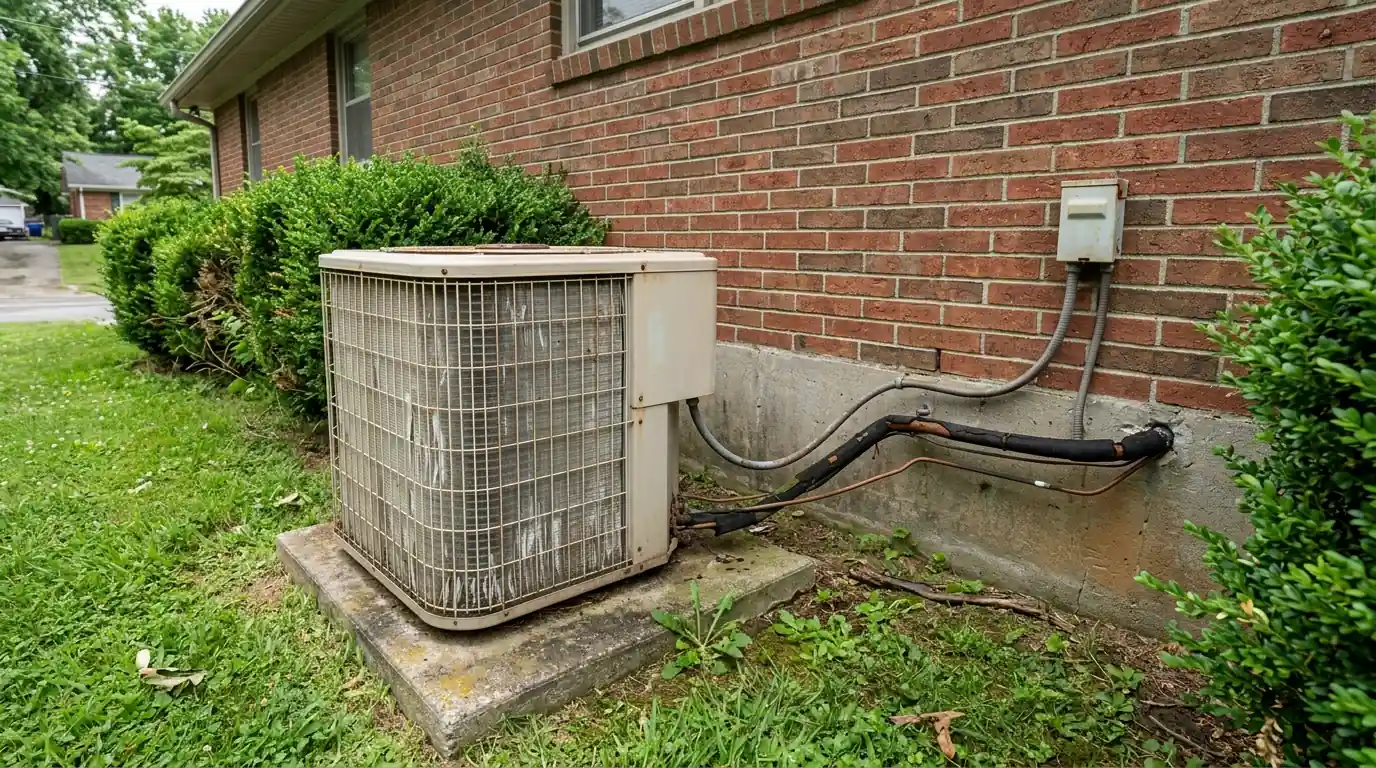
- Clear two feet around the outdoor unit and trim back shrubs, vines and tall grass
- Pull leaves, twigs and storm debris out from the top grille by hand
- Rinse the condenser fins gently with a hose, never a pressure washer
- Make sure the condensate line drains outside or the pump reservoir is empty
- Open supply registers and move furniture and rugs off return grilles
- Replace thermostat batteries and switch the mode from heat to cool
- Look for crumbling foam insulation on the large copper line outside
- Turn the outdoor breaker back on a full day before running it if it was off all winter
How to run a test cycle that actually tells you something
Pick a warm afternoon when it is at least 65 degrees outside, set the thermostat several degrees below the indoor temperature, and let the system run for 15 to 20 minutes. Running cooling on a cold day can make the indoor coil frost and gives readings that mean nothing, so wait for weather that resembles summer.
Hold a kitchen thermometer at a return grille, then at a supply register near the air handler. A healthy system usually shows a drop of about 15 to 20 degrees. Much less than that points to low charge, a dirty coil or weak airflow. Much more can mean airflow is badly restricted, which often ends with ice on the refrigerant lines.
Then go outside and listen. The fan should spin steadily, the compressor should hum without loud buzzing or clanking, and the large insulated line should feel cool and slightly damp. Check the drain outlet a little later; on a humid day you should see a steady drip. Jot down what you measured and heard, because those notes are useful if something needs a closer look.
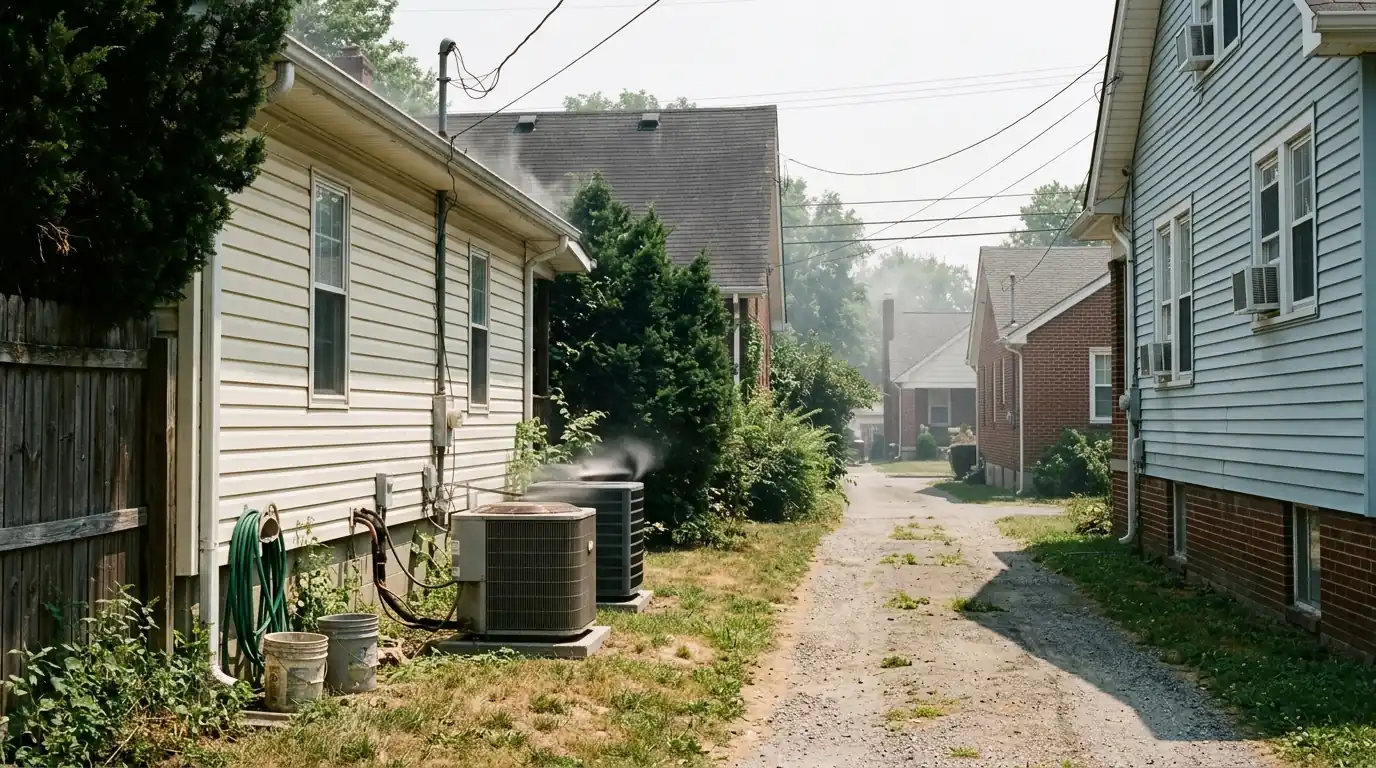
What a technician checks during a spring cooling visit
A homeowner checklist covers the outside of the system. These are the measurements that need gauges, meters and panels removed.
| Component | What we measure | What a bad reading means |
|---|---|---|
| Run capacitor | Microfarads against the rating | Hard starts or a compressor that will not start |
| Contactor | Pitting, burn marks, voltage drop | Unit fails to start or never shuts off |
| Refrigerant charge | Superheat and subcooling | Low charge points to a leak to find |
| Blower and filter rack | Static pressure and motor amps | Restricted airflow, frozen coil, high bills |
| Drain pan and float switch | Water flow and switch shutoff | Overflow, ceiling stains, cooling shutdowns |
| Condenser coil | Cleanliness and fin damage | High head pressure and compressor strain |
Test-run warning signs that mean you should call now
If your test run shows any of these, stop there and get the system looked at before the heat arrives. Waiting rarely makes them cheaper.
Fan runs, compressor stays quiet
The outdoor fan spins but the large line never gets cool. This is often a failed capacitor or contactor, a common and usually affordable repair when caught early.
Loud buzzing at the outdoor unit
A steady buzz with nothing turning usually means a motor trying to start without help. Shut the system off at the thermostat to protect the compressor and fan motor.
Water around the indoor unit
Water on the basement floor or a stain on the ceiling below an attic air handler means the drain is clogged or the pan is cracked. It gets worse as humidity rises.
Breaker trips during startup
A breaker that trips once may be a fluke. One that trips again points to a shorted motor, a failing compressor or loose wiring that needs testing with a meter.
Short cycling every few minutes
A system that starts and stops repeatedly wears parts fast and never dries the air. Causes range from a clogged filter or frozen coil to low charge, an oversized unit or a failing thermostat.
Musty smell when cooling starts
A damp, musty odor often comes from standing water in the drain pan or growth on the coil, especially in crawlspace systems after a wet spring.
Book the spring visit before Lexington's phones get busy
March, April and early May are the easiest months to get a cooling check scheduled without a wait. An AC tune-up in that window covers everything in the table above, plus a coil cleaning if the condenser needs more than a hose rinse. Heat pump owners can roll the same visit into seasonal heat pump maintenance, since the outdoor unit has just finished a full heating season.
If you already ran your test and something felt off, or the first hot day caught you with a system that will not cool, call (859) 377-8167. We answer around the clock, and the details you noticed during the test run, such as the temperature drop, the sound outside and where water showed up, help us arrive with the right parts on the truck.
Follow-up questions readers ask
How often should I change the AC filter during central Kentucky pollen season?
Check a standard 1-inch filter every two to four weeks from March through June, when tree and grass pollen load filters fastest, and replace it when it looks gray or matted. Thicker 4-inch media filters usually last three to six months. Homes with pets, open windows or ongoing renovation dust need more frequent changes. A clogged filter is one of the most common reasons a system freezes in its first hot week.
Is it safe to hose off my outdoor AC unit before summer?
Yes, with care. Shut off power at the outdoor disconnect or breaker first, then spray the fins gently from top to bottom with a garden hose to rinse off pollen, cottonwood and grass clippings. Do not use a pressure washer, because it flattens the thin aluminum fins and blocks airflow. Leave the electrical panel dry, and let the unit drip for a few minutes before restoring power.
Why should I test my AC before the first hot day of the year?
A test run on a warm spring day shows problems while there is still time to fix them on a normal schedule. Weak capacitors, clogged drains and low refrigerant often show up within 20 minutes of running. Once the first heat wave arrives, every system in town is working hard at once, and a failure then can mean waiting in a hot house for a repair.
More from the Comfort Blog
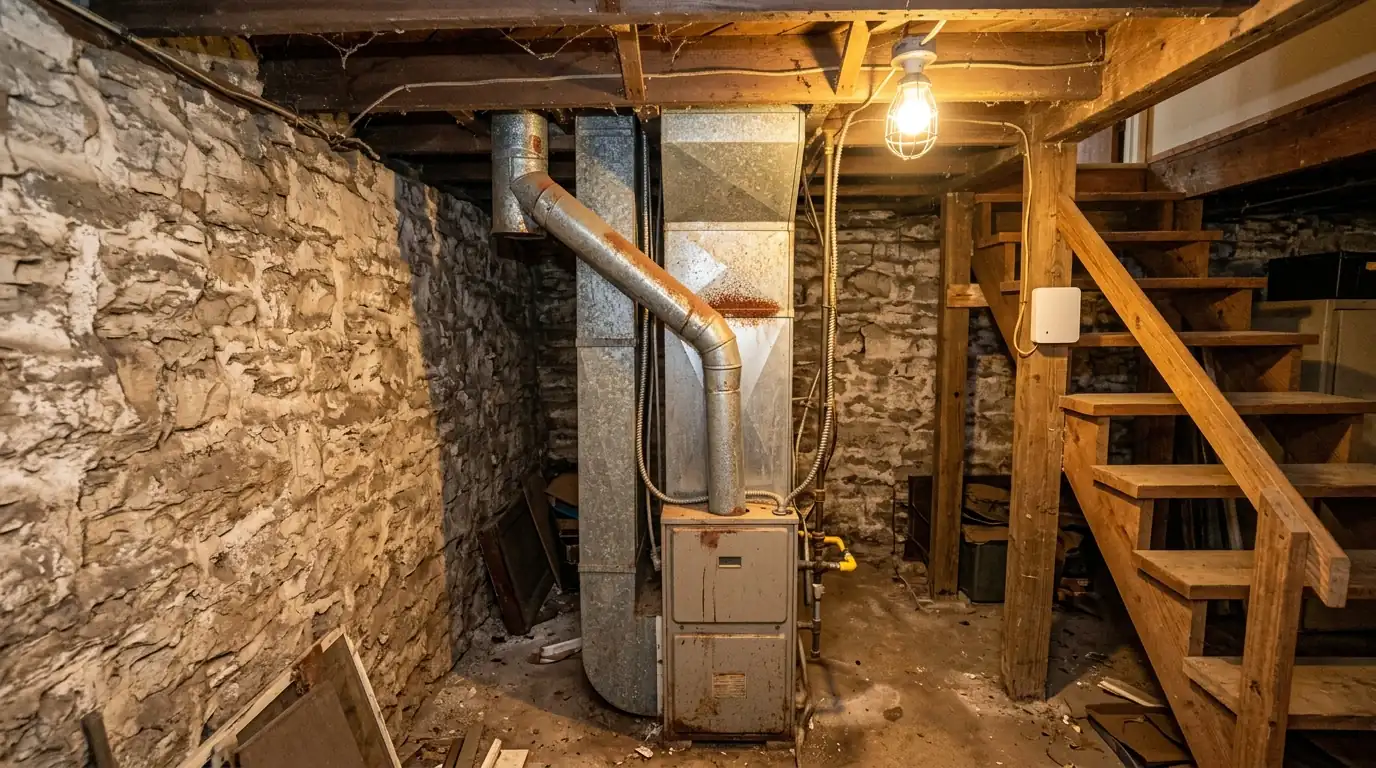
Furnace smells and carbon monoxide: when to leave
Some furnace smells are harmless and fade within the hour. Others mean shut the system off, and a few mean get everyone out of the house first and ask questions later.
Central air for older Lexington homes without ducts
Plaster walls, radiators and tight attics make conventional ductwork hard to fit in Lexington houses from the 1910s to the 1940s. These are the cooling options that actually work in them.
Owning an R-22 AC or heat pump in Kentucky
R-22 systems can still run for years, but every repair now carries a refrigerant question. Here is how to tell what you have, what a leak means, and how to plan the switch on your terms.
Want a technician to look at it?
Call (859) 377-8167 any hour and describe what you are seeing. We will tell you what to check now and what needs a visit.