Comfort Blog
Furnace smells explained, and the carbon monoxide signs that mean leave now
Some furnace smells are harmless and fade within the hour. Others mean shut the system off, and a few mean get everyone out of the house first and ask questions later.
By Alton Gilley, Comfort Blog EditorPublished Answered 24/7 at (859) 377-8167
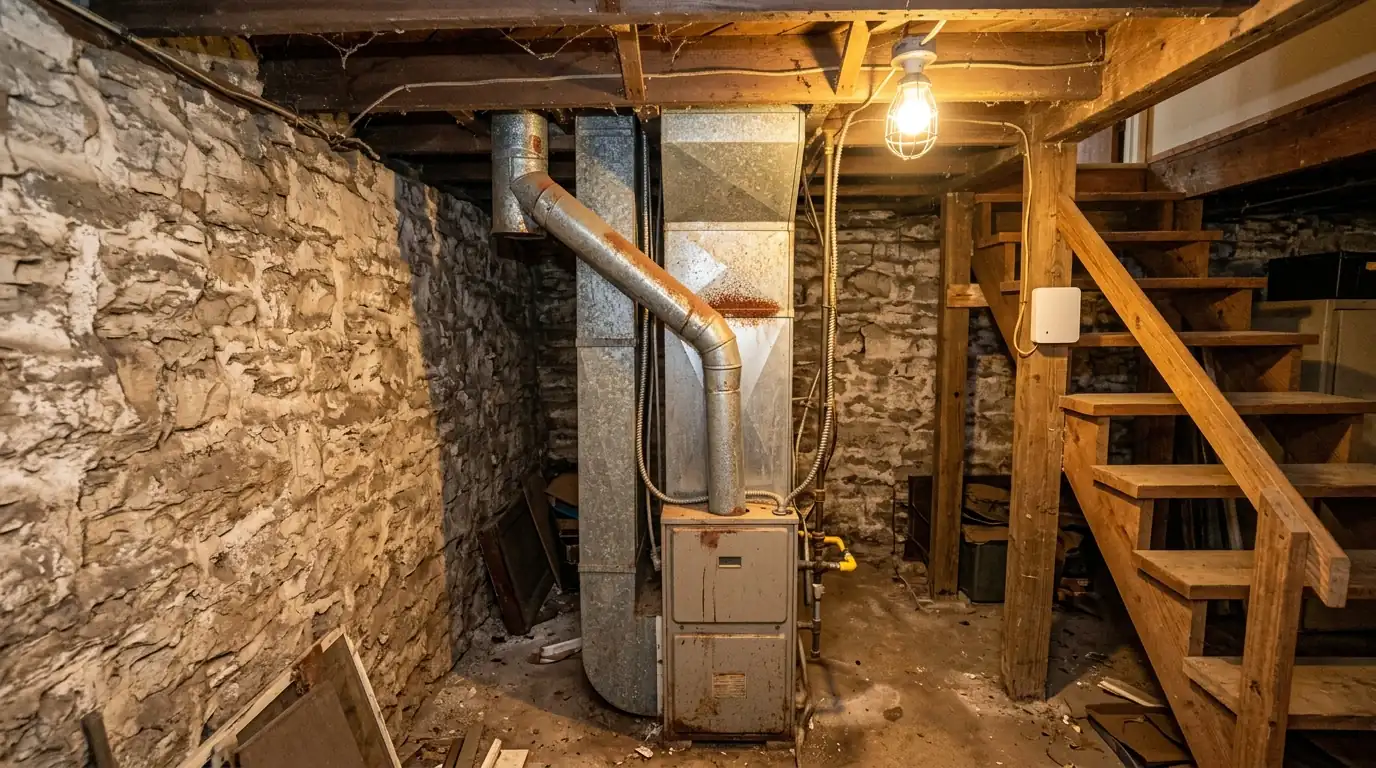
Short answer: Furnace smells explained, and the carbon monoxide signs that mean leave now
A dusty burning smell on the first cold days is usually dust burning off and fades within an hour. Burning plastic or hot metal means turn the furnace off and call for repair. A rotten egg odor means leave and call Columbia Gas of Kentucky or 911 from outside. If a carbon monoxide alarm sounds or anyone feels sick, get everyone outside and call 911.
Carbon monoxide has no smell, so the odor is only a clue
Start with the most important fact on this page: carbon monoxide is colorless and odorless. You cannot smell it, and a furnace can leak it without any odor at all. A working carbon monoxide alarm on every level of the home and outside each sleeping area is the only reliable warning, so test them monthly and replace them by the date printed on the back.
Smells still matter, because some of them point to the conditions that produce carbon monoxide. An exhaust odor means combustion gases are getting into the house. A rotten egg odor means fuel is escaping before it burns. Electrical odors point to a different danger altogether: overheating parts and a real fire risk.
We repair and inspect furnaces around the clock, but we are not a replacement for emergency services. When the situation involves a gas smell, a sounding CO alarm or anyone feeling sick, 911 and the gas utility come first. We come in afterward to find the cause and make the furnace safe.
Matching the odor from your furnace to its likely cause
Use this as a quick sort. When in doubt, treat the smell as the more serious possibility.
| What you smell | Likely source | What to do |
|---|---|---|
| Dusty, faint burning on the first cold days | Dust burning off the heat exchanger and burners | Normal if it fades within an hour |
| Burning plastic, rubber or hot metal | Overheating blower motor, wiring or capacitor | Turn the furnace off and call us |
| Rotten eggs or sulfur | Natural gas or propane leaking | Leave now and call from outside |
| Sharp exhaust or fuel odor | Flue gases spilling into the house | Furnace off, watch for CO signs, call |
| Musty or damp | Dirty filter, wet crawlspace or standing water | Change the filter, then schedule a check |
That dusty burning smell on the first chilly morning
Lexington furnaces often sit idle from April into October. Over the summer a thin layer of dust settles on the burners and the heat exchanger, and the first time the heat runs it scorches off. The result is a dry, slightly burnt smell from the registers, strongest in the first few minutes of the first few cycles. Opening a window and letting the furnace run usually clears it within an hour.
If the smell is still there after a day of normal heating, it is no longer burn-off. A sharper smell of burning plastic, rubber or hot metal is also different. That points to a blower motor running hot, a failing capacitor, scorched wiring or a slipping belt on an older belt-drive blower. Turn the furnace off at the thermostat, switch off the service switch on or near the furnace if you can reach it safely, and call. If you see smoke or flames, leave the house and call 911.
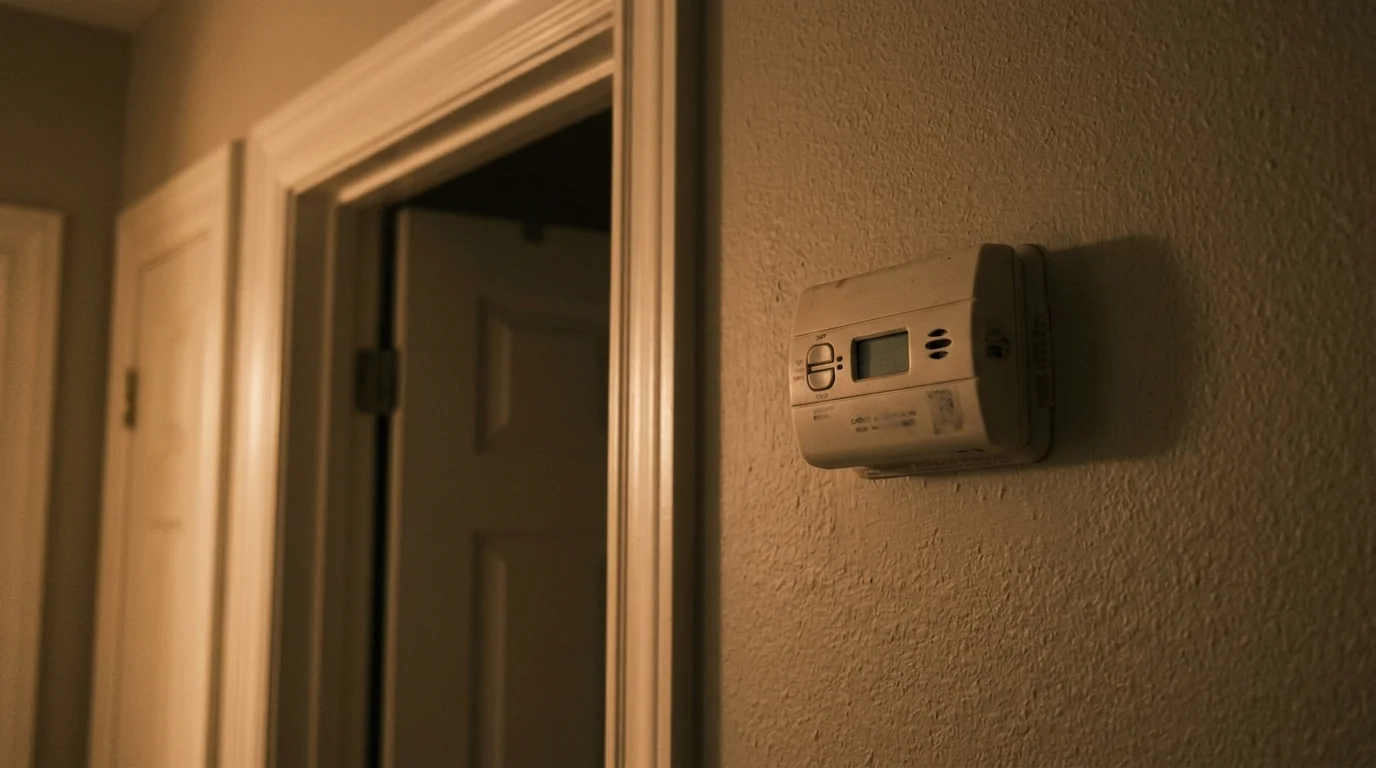
Rotten egg odor: get out first, then make the call
Natural gas and propane have no smell of their own. Suppliers add a sulfur compound so a leak smells like rotten eggs. If you notice that odor near the furnace, water heater, range or anywhere in the house, do not try to find the leak or judge whether it is small enough to ignore.
Leave the house with everyone, including pets. On the way out, do not flip light switches, unplug anything, use a phone inside, light a match or start a car in an attached garage, because any spark can ignite gas. Once you are outside and well away from the house, call Columbia Gas of Kentucky's emergency line or 911. If your home runs on propane, as many rural properties around the Bluegrass do, call your propane supplier's emergency number or 911.
Stay out until the gas utility or fire department tells you it is safe to go back in. If the leak turns out to be at the furnace, call (859) 377-8167 and we will repair the gas connection or valve, then test every fitting and the burner flame before the system runs again.
What to do the moment a carbon monoxide alarm sounds
A single chirp every minute or so usually means a low battery or an alarm at the end of its life. A loud, repeating alarm pattern is a real alarm. Treat it that way every time.
Get everyone outside now
Move every person and pet into fresh air right away. Do not stop to search for the source, open windows room by room or shut off appliances on the way out.
Call 911 from outside
Call even if nobody feels sick. Fire crews carry meters that measure carbon monoxide levels in the house and can find where it is coming from.
Get medical help for any symptoms
Tell responders who has a headache, dizziness, nausea, confusion or unusual sleepiness. Carbon monoxide exposure needs medical treatment, and symptoms can be worse than they first seem.
Stay out until you are cleared
Do not go back inside until emergency responders say the air is safe. Carbon monoxide can build again quickly if the source keeps running.
Leave the furnace off and call us
Once responders clear the house, keep fuel-burning appliances off until they are inspected. Call (859) 377-8167 and we will find the source and repair it.
Quiet warning signs of carbon monoxide in a home
These do not prove carbon monoxide is present, but each one is reason to have the furnace and venting checked. Symptoms in people always come first: get outside and call 911.
- Headaches, dizziness or nausea that ease when you leave the house
- Several people or pets feeling unwell at the same time
- Flu-like symptoms without a fever, worse after the heat has run
- Yellow, orange or wavering burner flames instead of steady blue
- Soot or scorch marks around the furnace door or burner area
- Rust, white crust or water stains on the vent pipe
- Heavy condensation on windows whenever the furnace runs
- A CO alarm past the replacement date printed on its back
When a furnace smell is worth a call to us
Call (859) 377-8167 for an electrical or hot metal smell, an exhaust odor, burn-off that will not fade, or any time emergency responders have cleared your home and the furnace needs to be found safe before it runs. We answer 24/7. On that visit we inspect the heat exchanger for cracks, run a combustion analyzer in the flue, test the gas valve and fittings for leaks, and confirm that the rollout, pressure and limit switches actually shut the furnace down.
Older Lexington homes get an extra look at the chimney. When a furnace was upgraded to a PVC-vented model, the water heater is sometimes left alone in a large masonry flue, where it can draft weakly and spill exhaust. A yearly carbon monoxide safety check or a fall furnace tune-up catches these problems before the first cold snap, so a damaged part becomes a planned furnace repair instead of a night-time scare. For musty odors, start with our furnace filter guide.
A few quick follow-up questions
Is a burning dust smell from the furnace normal on the first cold day of fall?
Yes, a light burning dust smell is normal the first few times a furnace runs after sitting all summer. Dust on the burners and heat exchanger scorches off and the odor should fade within an hour of running. If it lingers past a day of normal heating, or turns into a burning plastic or hot metal smell, turn the furnace off and call.
Can a gas furnace leak carbon monoxide without any smell?
Yes. Carbon monoxide has no color and no odor, so a furnace with a cracked heat exchanger or a blocked flue can release it without any smell at all. That is why working CO alarms matter on every level of the home and near bedrooms. An exhaust odor is a warning sign, but the absence of a smell proves nothing.
Should I call 911 if my carbon monoxide alarm goes off but nobody feels sick?
Yes. Get everyone outside first, then call 911 from outside. Carbon monoxide symptoms can be mild at first or show up in one person before others, and fire crews carry meters that can measure levels in the house. Do not go back in until they say it is safe, and keep the furnace off until it has been inspected and repaired.
More from the Comfort Blog
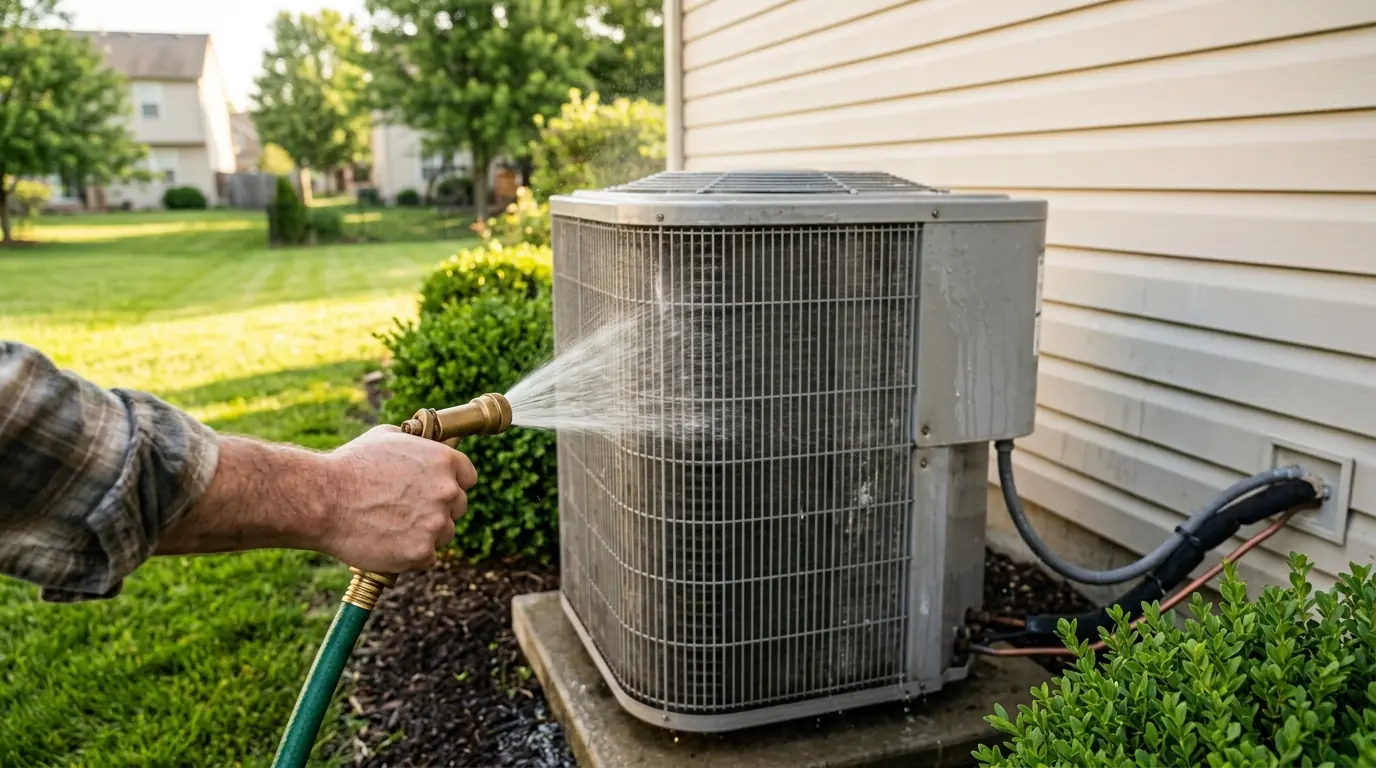
Get your AC ready before the first hot, humid week
The first stretch of 85-degree, sticky days is when weak capacitors, clogged drains and dirty coils give out. A short homeowner checklist and one test run catch most of it early.
Central air for older Lexington homes without ducts
Plaster walls, radiators and tight attics make conventional ductwork hard to fit in Lexington houses from the 1910s to the 1940s. These are the cooling options that actually work in them.
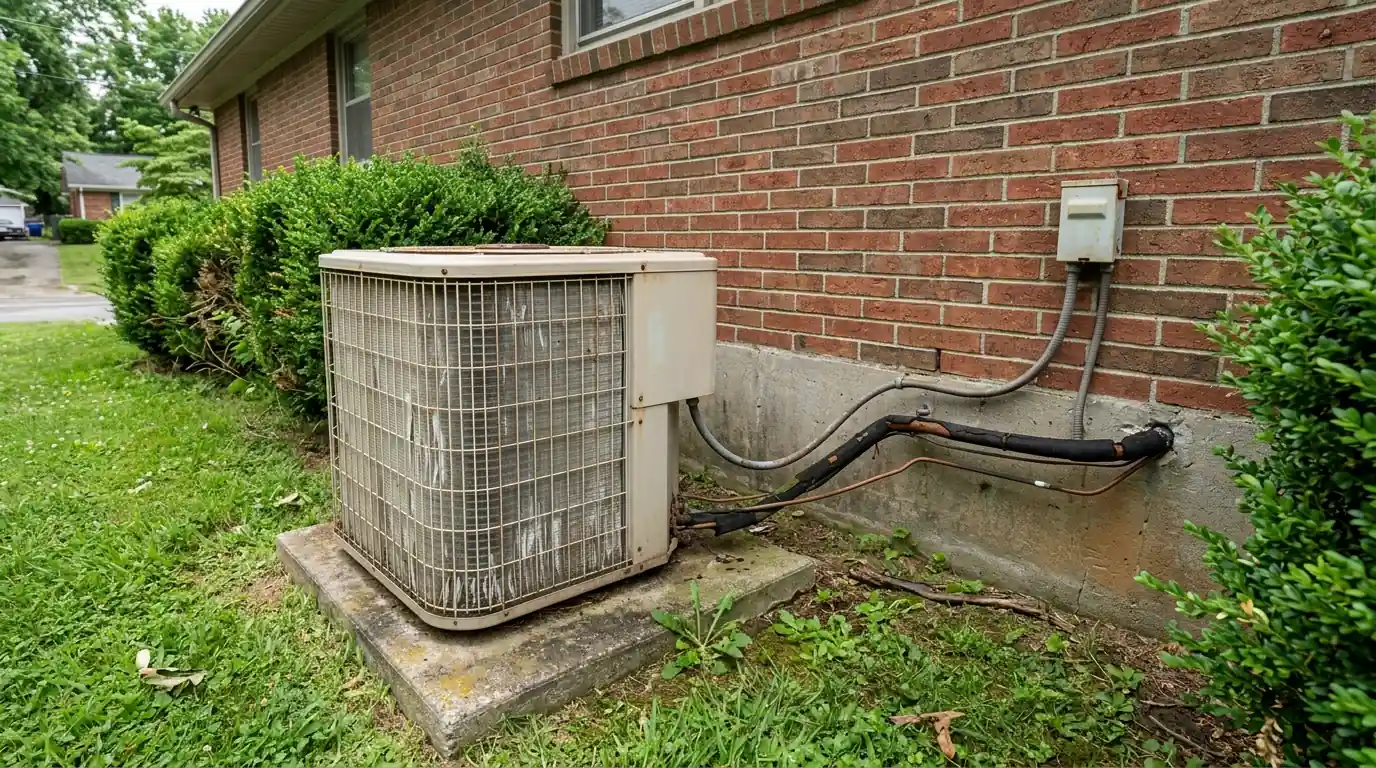
Owning an R-22 AC or heat pump in Kentucky
R-22 systems can still run for years, but every repair now carries a refrigerant question. Here is how to tell what you have, what a leak means, and how to plan the switch on your terms.
Want a technician to look at it?
Call (859) 377-8167 any hour and describe what you are seeing. We will tell you what to check now and what needs a visit.