Lexington neighborhood · Fayette County
Boiler and central air service in Ashland Park (40502)
Radiators that knock, an attic air handler dripping onto a plaster ceiling, a third floor that never cools: Ashland Park houses were built long before central air, and they reward careful, unhurried work.
Short answer: HVAC service in Ashland Park
We service hot-water and steam boilers, attic air handlers, small-duct high-velocity systems, ductless units and gas furnaces across Ashland Park (40502). Most homes here went up between the 1910s and about 1930, many without ductwork, so cooling is usually added through the attic or with mini splits while the boiler keeps doing the heating. Call (859) 377-8167 any hour.
Radiators, plaster and the houses the Olmsted plan produced
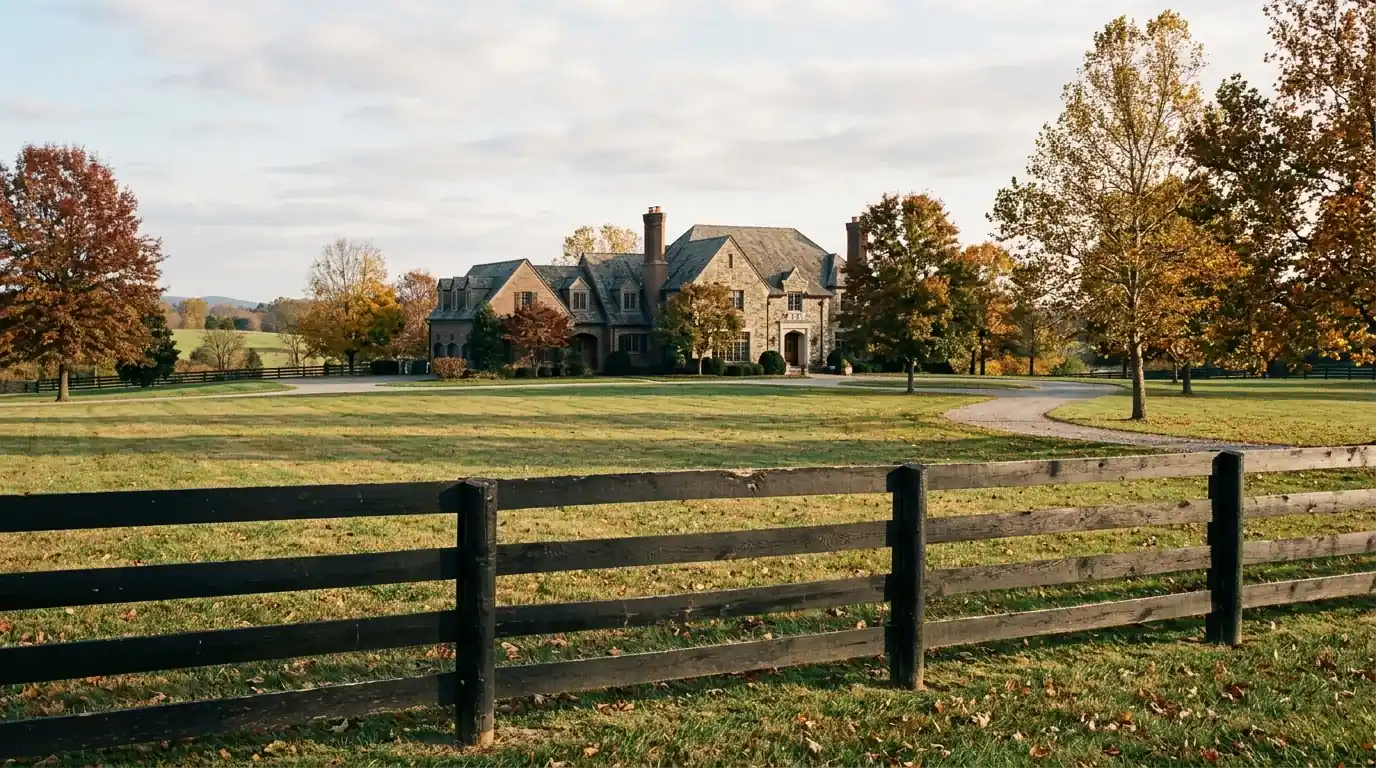
Ashland Park was laid out on part of Henry Clay's estate after the Clay family hired the Olmsted Brothers in 1904. The plan gave the neighborhood its curving streets, few right-angle intersections and generous green space, and most of it was built out by about 1930. The houses run from American Foursquares and Craftsman bungalows to Tudor Revival, Dutch Colonial, Georgian Revival and Spanish Eclectic designs.
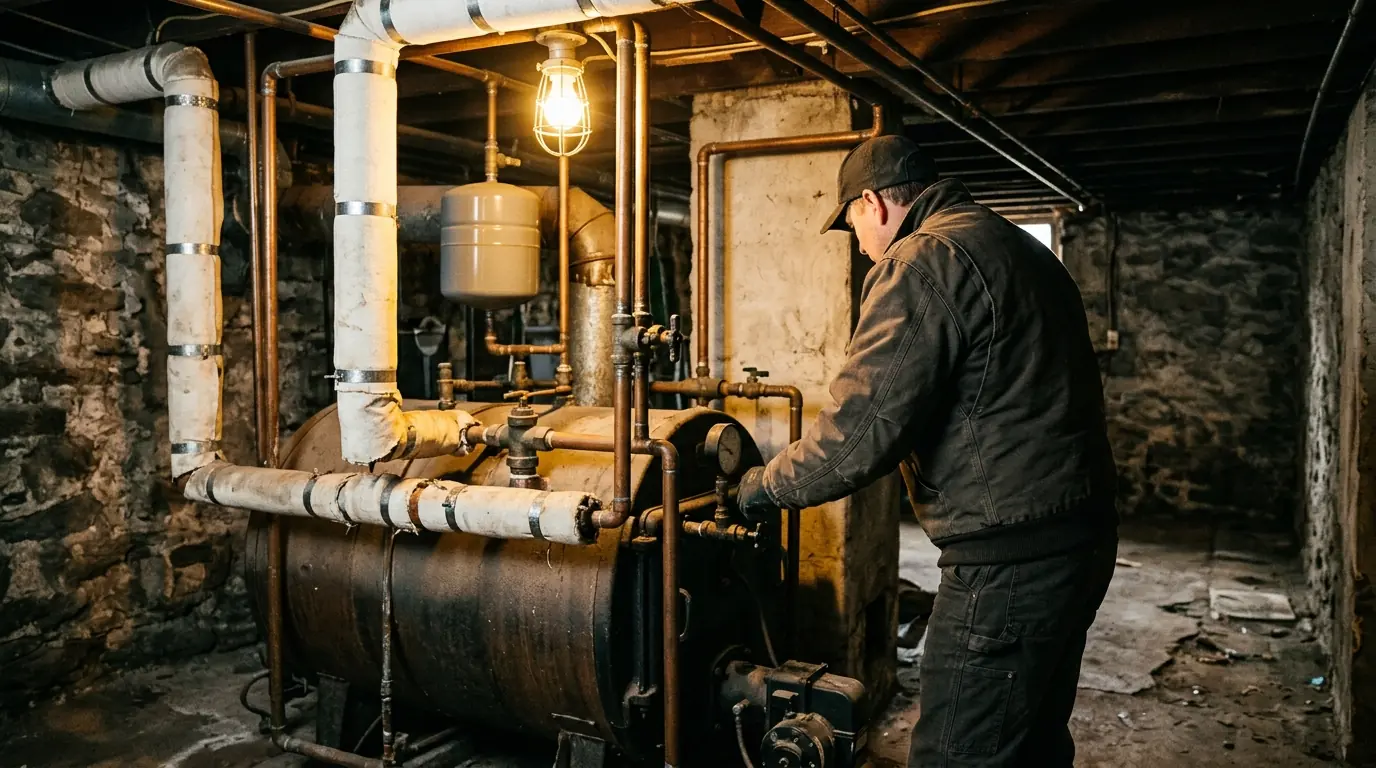
Many of these homes were heated by boilers feeding cast-iron radiators, and a good number still are. Plaster walls and tall attics shape every decision we make. Running new ducts through finished plaster is messy, so cooling usually arrives one of three ways: an air handler in the attic feeding ceiling vents on the top floor, a small-duct high-velocity system threaded through closets and joist bays, or ductless heads.
Keeping the boiler for heat is often the smartest call. Radiant heat from cast iron is even and quiet, and a well-kept boiler lasts a long time. Our work here is mostly about getting the two systems to live together: a circulator and expansion tank that behave, a cooling system that does not drip, and controls that keep them from fighting each other.
Where heat and cooling give out in an Olmsted-era house
These problems trace back to the age of the house or to how cooling was added after the fact.
Cold radiators upstairs
Air trapped at the high points of a hot-water system keeps upper radiators lukewarm. Bleeding them helps, but air that keeps coming back usually points to a failing expansion tank or fill valve.
Banging steam pipes
In steam systems, water pooling in pipes that have lost their pitch causes loud hammering. Re-pitching sagging runs and checking the boiler water level usually quiets it.
Attic air handler leaks
Air handlers above plaster ceilings sweat in Lexington humidity. A clogged condensate line or rusted pan can stain a bedroom ceiling before anyone notices a problem.
Third floor that never cools
Finished attic rooms directly under the roof deck carry a heat load the main system was never sized for, especially on late summer afternoons.
Whistling high-velocity outlets
Small-duct systems need the right number of outlets per ton. Too few, or a blower set too high, and the vents hiss in quiet bedrooms.
Worn boiler controls
Original aquastats, zone valves and circulator pumps wear out on older boilers. Replacing these parts often restores reliable heat without replacing the boiler itself.
How we plan cooling for a historic Ashland Park home
A cooling retrofit here takes more planning than a standard equipment swap. This is the order we follow.
Walk the house top to bottom
We look at the attic, closets, basement and every room that needs cooling, noting where plaster, trim and chases allow a quiet path for supply lines.
Measure the heat load
We calculate cooling needs room by room, since big windows, tall ceilings and finished attic rooms change the numbers more than square footage suggests.
Choose the system type
Based on the layout, we compare an attic air handler, a high-velocity system and ductless heads, with costs and tradeoffs written out for you.
Plan the outdoor unit spot
We pick a condenser location with clear airflow, a short line set and as little visibility from the street as the lot allows.
Install and test
After installation we check refrigerant charge, airflow at each outlet, condensate drainage and the safety float switch before calling the job finished.
Seasonal habits that suit tall trees and old attics
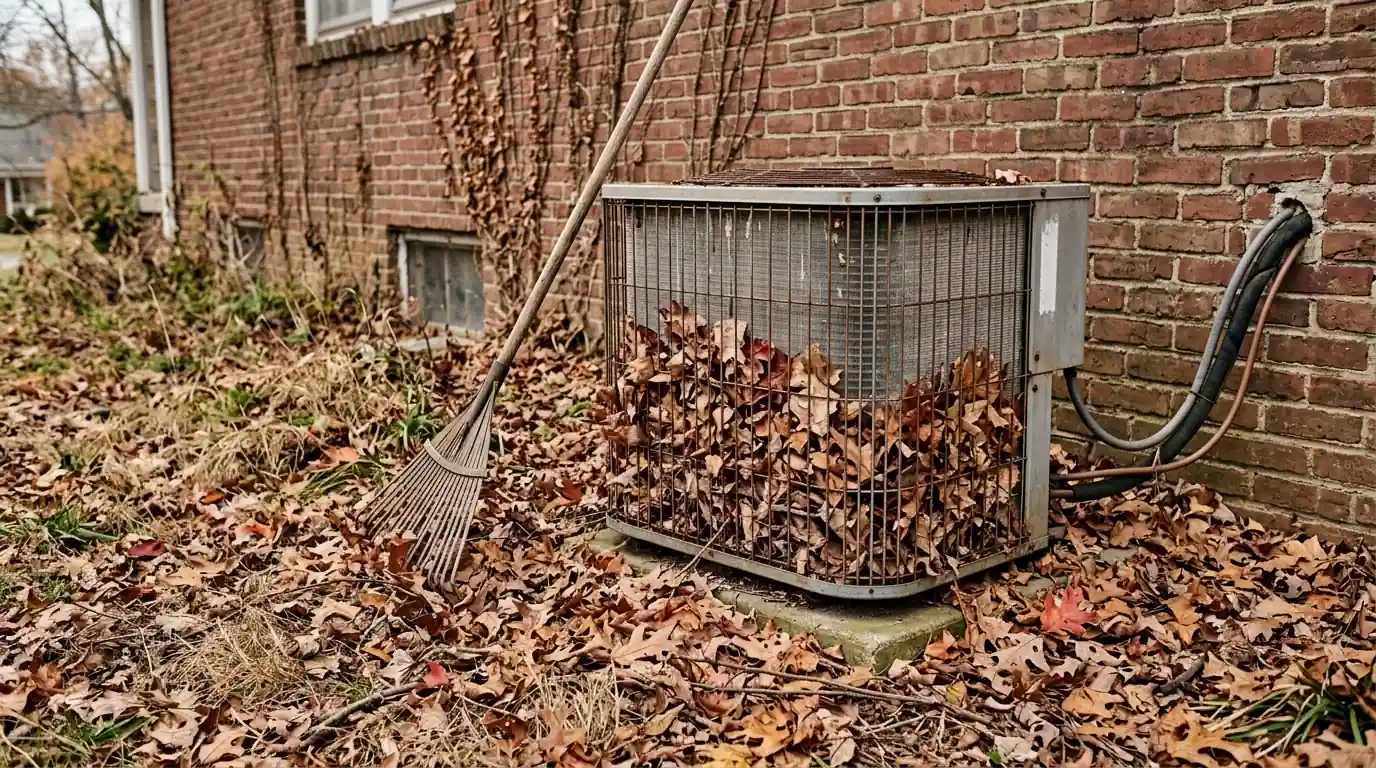
The big trees that make the neighborhood so pleasant also drop seeds, leaves and twigs straight into outdoor coils. A spring rinse of the condenser and a check of the attic drain pan keep the cooling side ready. In fall, we bleed radiators, confirm the boiler holds steady pressure as it heats and test the low-water cutoff on steam systems.
Homes across Fontaine Road in Chevy Chase were mostly built later and lean toward furnaces and ducts, which is why our approach there looks different. Here, the boiler is usually worth keeping and the cooling is the project. If heat fails on a holiday weekend, calls are answered 24/7, so you are not waiting until Monday to find out what went wrong.
Service calls we take most in Ashland Park
Boiler Repair
Many Ashland Park homes still heat with cast-iron radiators, and circulators, expansion tanks and zone valves are the parts that wear.
High-Velocity Central Air
Flexible small ducts thread through closets and joist bays, bringing central air to plaster-walled rooms with minimal demolition.
Ductless Mini Split Installation
Wall or ceiling heads cool finished attic rooms and sunrooms that a single attic air handler cannot reach.
AC Drain Line Repair
Attic air handlers above plaster ceilings need clear condensate lines and working float switches to prevent water stains.
Boiler Replacement
When an old boiler is cracked or failing, a modern unit can reuse the existing radiators and most of the piping.
Carbon Monoxide Safety Check
Older boilers and gas water heaters vent through masonry chimneys, so a draft and carbon monoxide test belongs on every heating visit.
Asked by homeowners in Ashland Park
Can an Ashland Park house keep its radiators and still get central air?
Yes, and that is the most common setup we work on here. The boiler and radiators stay in charge of heat, and a separate cooling system handles summer. Which cooling system fits depends on attic access, closet space and how many rooms need it. Our article on central air for older homes compares the choices in more detail.
Why does my Ashland Park boiler keep losing pressure?
Pressure loss on a hot-water boiler usually comes from a leaking relief valve, a waterlogged expansion tank or a slow leak at a radiator valve or old pipe joint. Each has a different fix, so we test the tank charge, watch the pressure as the system heats and trace the piping before replacing anything.
Do I need approval to add an outdoor AC unit in Ashland Park?
Ashland Park has been under an H-1 historic overlay since the Urban County Council approved it in 2013, and some exterior alterations need Board of Architectural Review approval. Whether a condenser placement counts depends on where it sits and what shows from the street, so check with the city's historic preservation office before work begins. We plan placement to keep the unit as unobtrusive as the lot allows.
Heating or cooling trouble in Ashland Park?
Call (859) 377-8167 any hour. Tell us what the system is doing and where you are, and we will take it from there.