Comfort Blog
Why your house feels clammy even with the AC running
A thermostat can read 72 while the air still feels sticky. In central Kentucky, that usually means the system is cooling the air without pulling enough moisture out of it.
By Alton Gilley, Comfort Blog EditorPublished Answered 24/7 at (859) 377-8167
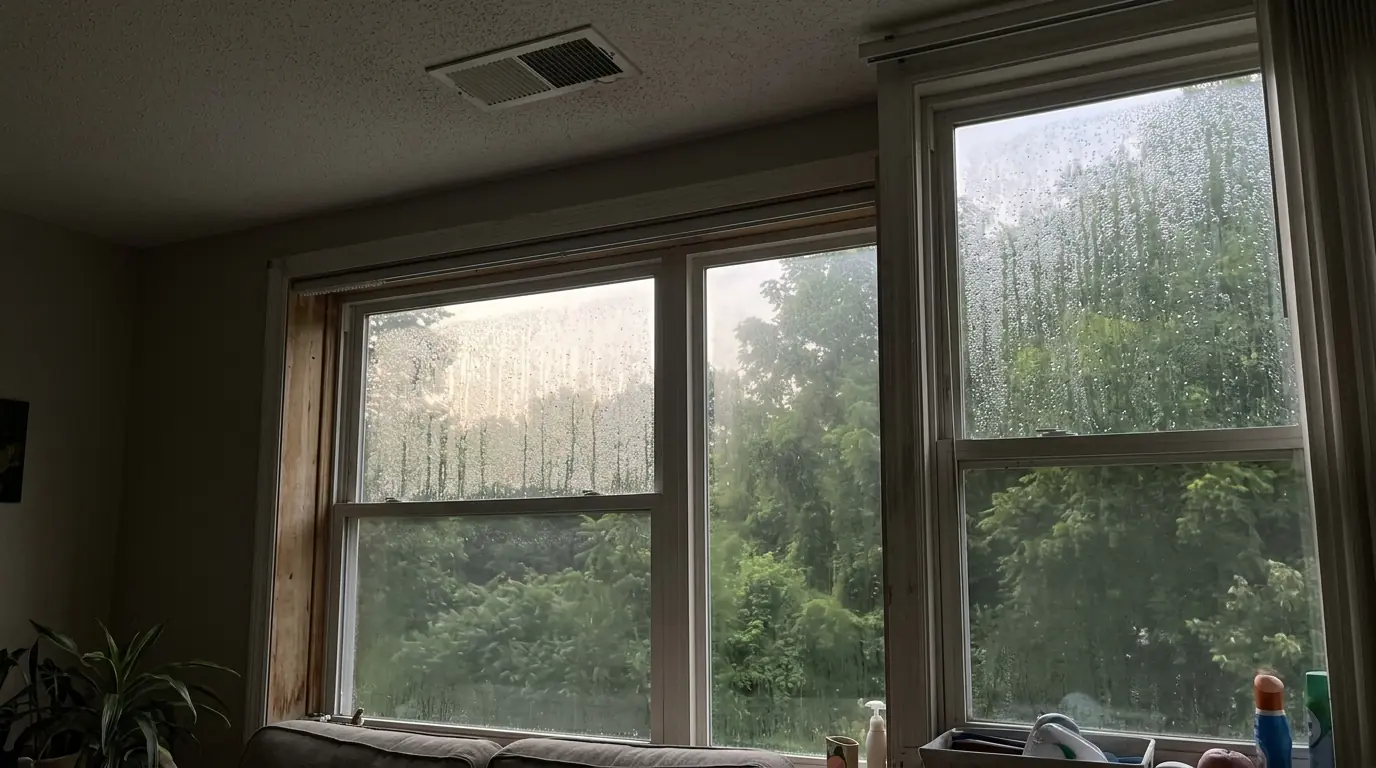
Short answer: Why your house feels clammy even with the AC running
A house feels clammy when the air conditioner lowers the temperature without removing enough moisture. The usual causes are an oversized system that short cycles, a fan left on ON instead of AUTO, leaky ducts pulling damp crawlspace or attic air, and a low refrigerant charge. Indoor humidity should sit around 40 to 50 percent in summer. If it stays above 55 percent, the system or house needs attention.
Cooling the air and drying it are separate jobs
Your air conditioner handles two kinds of heat. Sensible heat is what the thermostat reads. Latent heat is the moisture in the air, and the AC removes it by chilling the indoor coil below the dew point so water condenses and runs down the drain. On a muggy Lexington afternoon, a healthy system can pull several gallons of water out of the house in a day.
Drying takes time. A coil needs several minutes of steady running before it gets cold enough to condense much water, and the moisture has to drip off before the blower stops. When something shortens those cycles or rewets the coil, the thermostat is satisfied while the humidity stays high. The result is a house that reads 72 degrees and feels like 78, with damp sheets and a faint musty odor near the basement stairs.
Common reasons the air stays sticky indoors
These are the causes we find most often in clammy central Kentucky homes, roughly from most to least common.
An oversized air conditioner
A unit sized by rule of thumb instead of a load calculation cools the house in a few minutes and shuts off. It never runs long enough to dry the air, so the house stays cool and damp.
Thermostat fan set to ON
With the fan running nonstop, air blows across the wet coil between cycles and carries that moisture right back into the house before it can drain away.
Leaky ducts in a crawlspace
Return ducts with open seams pull damp crawlspace or attic air into the system. Supply leaks depressurize the house and draw in humid outdoor air through every gap.
Low refrigerant or a dirty coil
An undercharged system or a coil caked with dust runs warmer than it should. A warmer coil condenses less water, so humidity creeps up even while the system runs long hours.
Blower speed set too high
Some systems are set to move as much air as possible. Fast airflow cools well but leaves less time for moisture to condense, a poor trade in a humid summer.
Moisture sources inside the house
Wet basements, unvented dryers, long showers without a running bath fan and open crawlspace vents all add water faster than a correctly sized system can remove it.
Fan ON versus AUTO in a humid Kentucky summer
This is the cheapest fix on the list. With the fan on AUTO, the blower runs only while the system is cooling, then stops so condensate can drip off the coil and into the drain pan. With the fan on ON, the blower keeps pushing air across the wet coil after the compressor shuts off, and much of that water evaporates back into the house within minutes.
Many people switch the fan to ON to even out hot and cold rooms or keep air moving through a filter. In winter that habit costs little. From May through September in central Kentucky, it can raise indoor humidity by several points. Set the fan to AUTO, give it a few days, and watch a hygrometer. If the reading drops toward 50 percent, you have found your main problem.
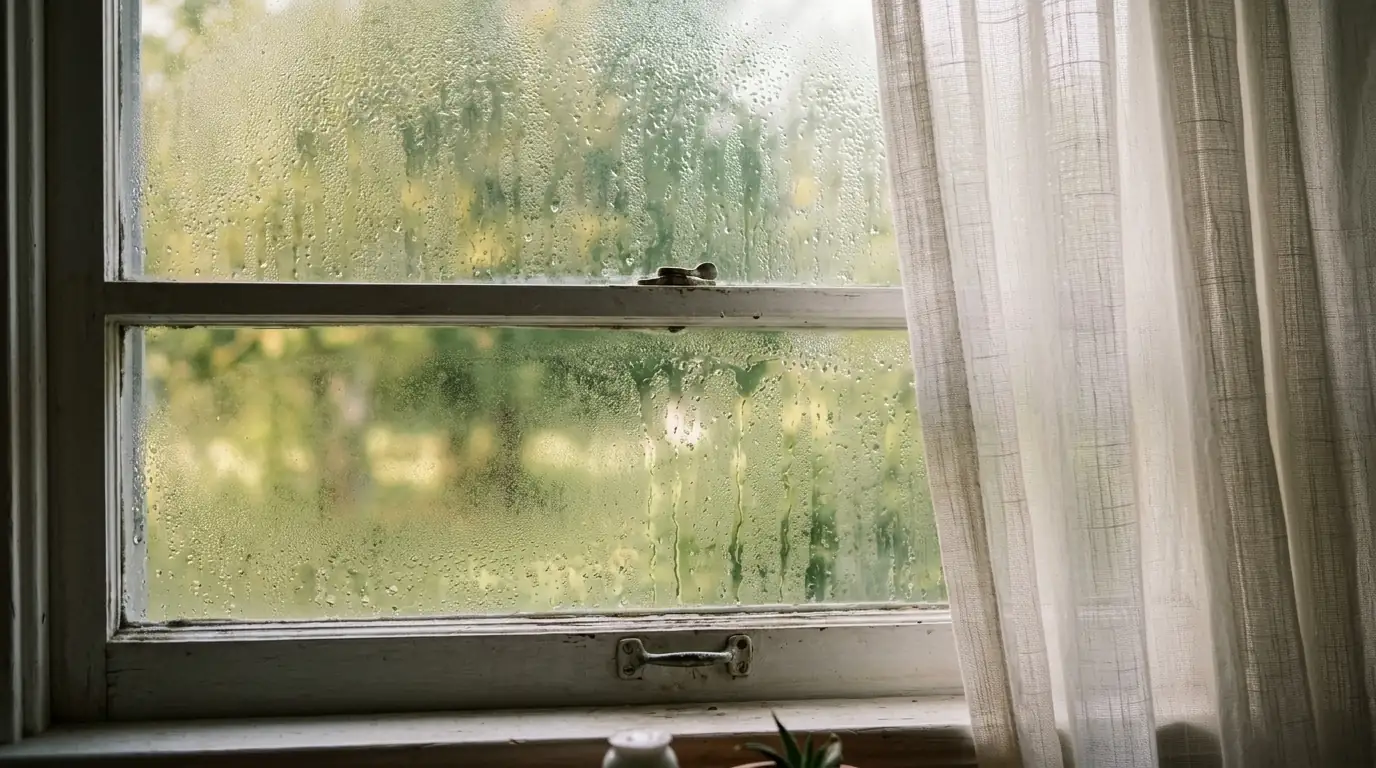
Quick tests you can run with a hygrometer
An inexpensive digital hygrometer from a hardware store tells you more than the thermostat can. Try these over a few summer days.
- Read the humidity in the main living area during a hot afternoon.
- Take a second reading after dark, when outdoor air is often more humid.
- Note whether cooling cycles run less than 10 minutes at a stretch.
- Confirm the thermostat fan setting is AUTO rather than ON.
- Check the basement or crawlspace reading, which is often 10 points higher.
- Look for water stains or sweating on supply ducts in the crawlspace.
- Write down the readings so a technician can compare them on the visit.
Matching a dehumidifying fix to the cause
The right fix depends on what is driving the moisture. Here is how the common options line up.
| Cause found | Typical fix | What it changes |
|---|---|---|
| Fan left on ON | Switch the fan to AUTO | Coil drains between cycles |
| Blower speed too high | Lower the cooling fan speed | Longer contact time on the coil |
| Leaky crawlspace ducts | Seal joints and repair insulation | Stops drawing in damp air |
| Oversized AC | Right-size at the next replacement | Longer, drier cooling cycles |
| Damp house that is tight | Whole-house dehumidifier | Holds 45 to 50 percent all year |
When sticky air means a service visit makes sense
If the fan is already on AUTO and humidity still sits above 55 percent on most summer days, call us. On the visit we measure the temperature drop across the coil, check the refrigerant charge and blower speed, look at cycle length and inspect the ductwork in the crawlspace or attic. You get a written price after we have looked at the system, so you can decide before any work begins.
Leaky crawlspace runs are a frequent culprit in Lexington's older ranches, and sealing the duct joints often makes a noticeable difference. When the house simply needs more drying than an AC can provide, a whole-house dehumidifier ties into the ductwork and holds humidity steady. Our early summer AC checklist helps you catch problems before the muggy season arrives. Call (859) 377-8167 when your home feels damp, any hour of the day.
Follow-up questions readers ask
What indoor humidity should my house have with the AC on in summer?
Aim for about 40 to 50 percent relative humidity in summer. Most people feel comfortable in that range, and it is dry enough to discourage mold and dust mites. Readings above 55 percent for days at a time usually feel sticky and can lead to musty odors, especially in basements. Below about 35 percent is unusual in a central Kentucky summer.
Can an oversized air conditioner really make my house feel clammy?
Yes. An oversized unit reaches the thermostat setting quickly and shuts off after a short cycle, often only five to eight minutes. The coil barely gets cold enough to condense water before the cycle ends, so the temperature drops but the moisture stays. A load calculation at replacement time prevents this, and lowering the blower speed can help an existing system in the meantime.
Do I need a whole-house dehumidifier if my AC works fine?
Not always. If the AC is sized correctly, the fan is on AUTO and the ducts are sealed, many homes hold 45 to 50 percent without extra equipment. A whole-house dehumidifier makes sense when humidity stays high anyway, such as in homes with damp basements, encapsulated crawlspaces, or very tight new construction that cools quickly on mild, humid days.
More from the Comfort Blog
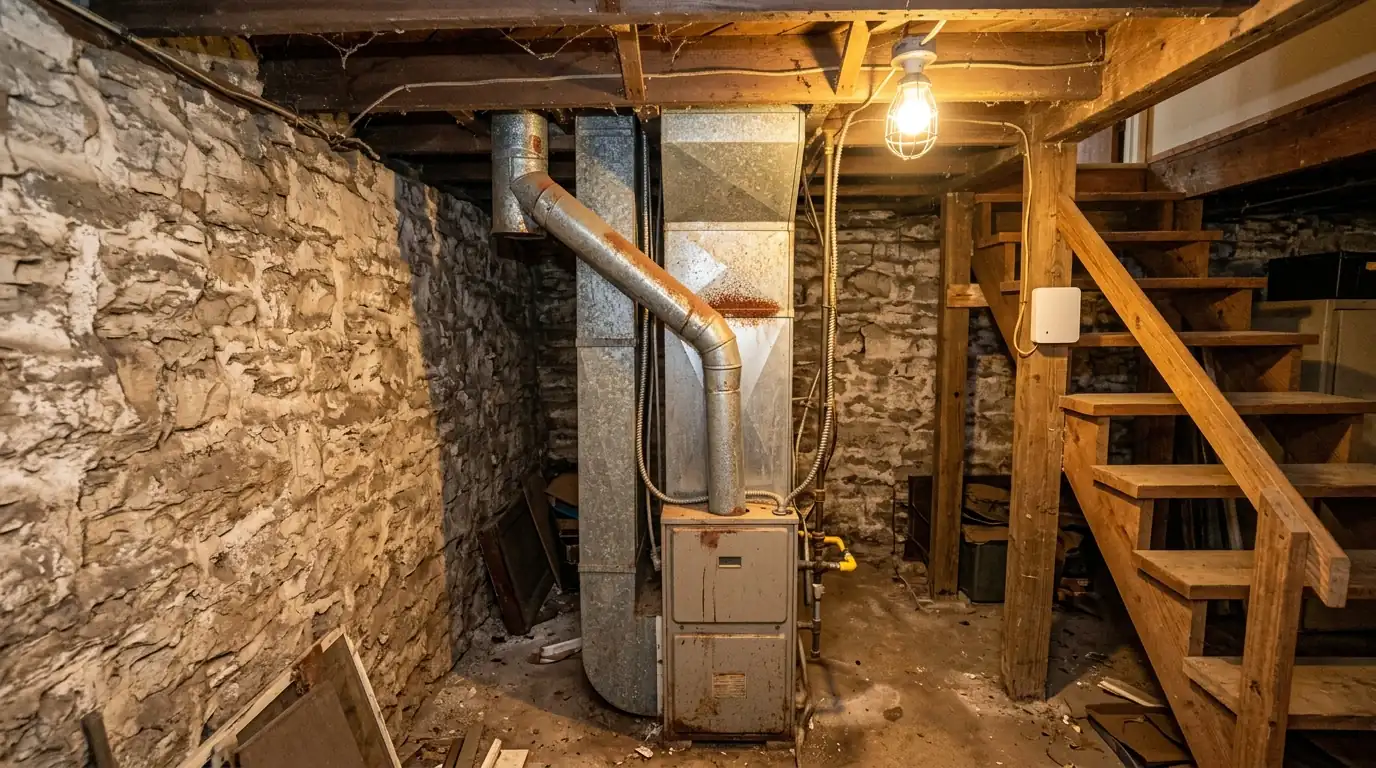
Furnace smells and carbon monoxide: when to leave
Some furnace smells are harmless and fade within the hour. Others mean shut the system off, and a few mean get everyone out of the house first and ask questions later.
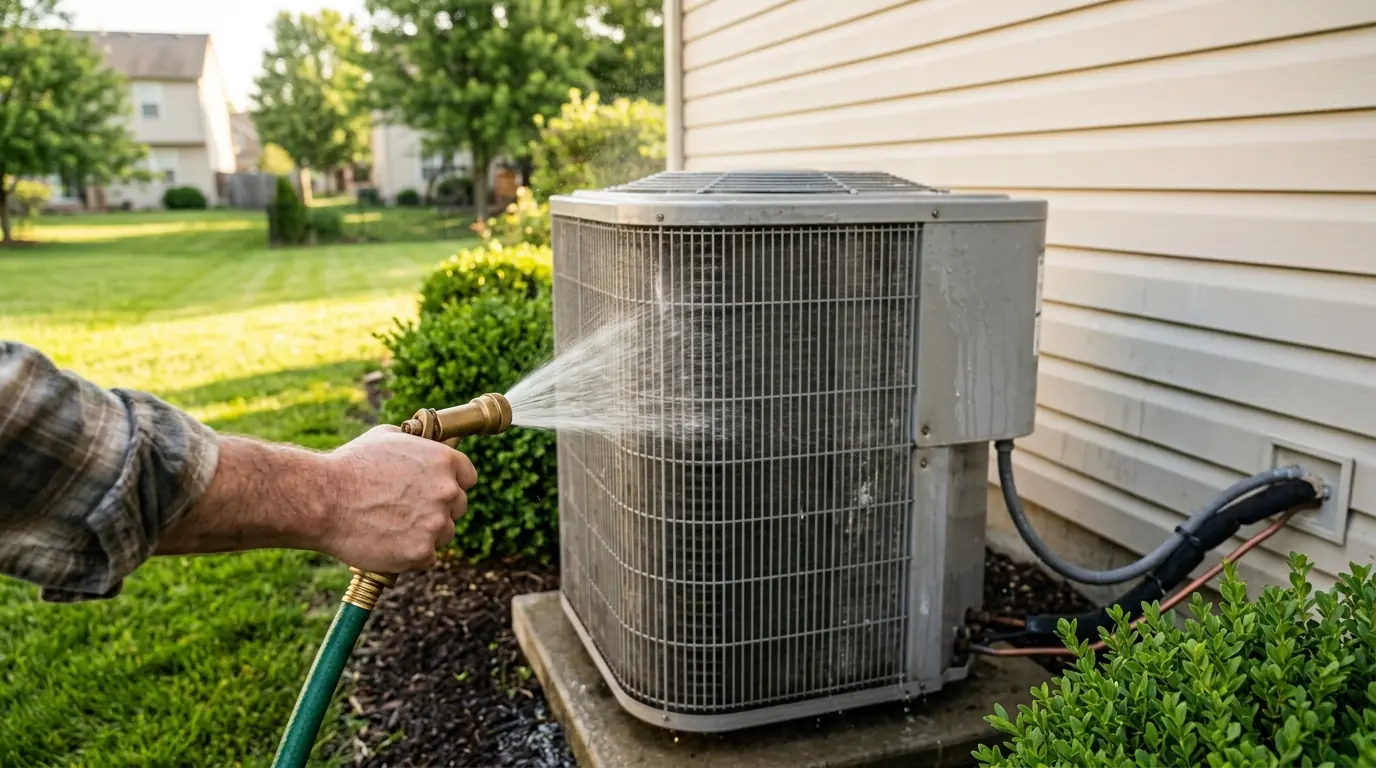
Get your AC ready before the first hot, humid week
The first stretch of 85-degree, sticky days is when weak capacitors, clogged drains and dirty coils give out. A short homeowner checklist and one test run catch most of it early.
Central air for older Lexington homes without ducts
Plaster walls, radiators and tight attics make conventional ductwork hard to fit in Lexington houses from the 1910s to the 1940s. These are the cooling options that actually work in them.
Want a technician to look at it?
Call (859) 377-8167 any hour and describe what you are seeing. We will tell you what to check now and what needs a visit.