Comfort Blog
Repair or replace an aging AC, furnace or heat pump
A large repair quote on an old system forces a fast decision. These are the factors we weigh with Lexington homeowners, roughly in the order they matter.
By Alton Gilley, Comfort Blog EditorPublished Answered 24/7 at (859) 377-8167
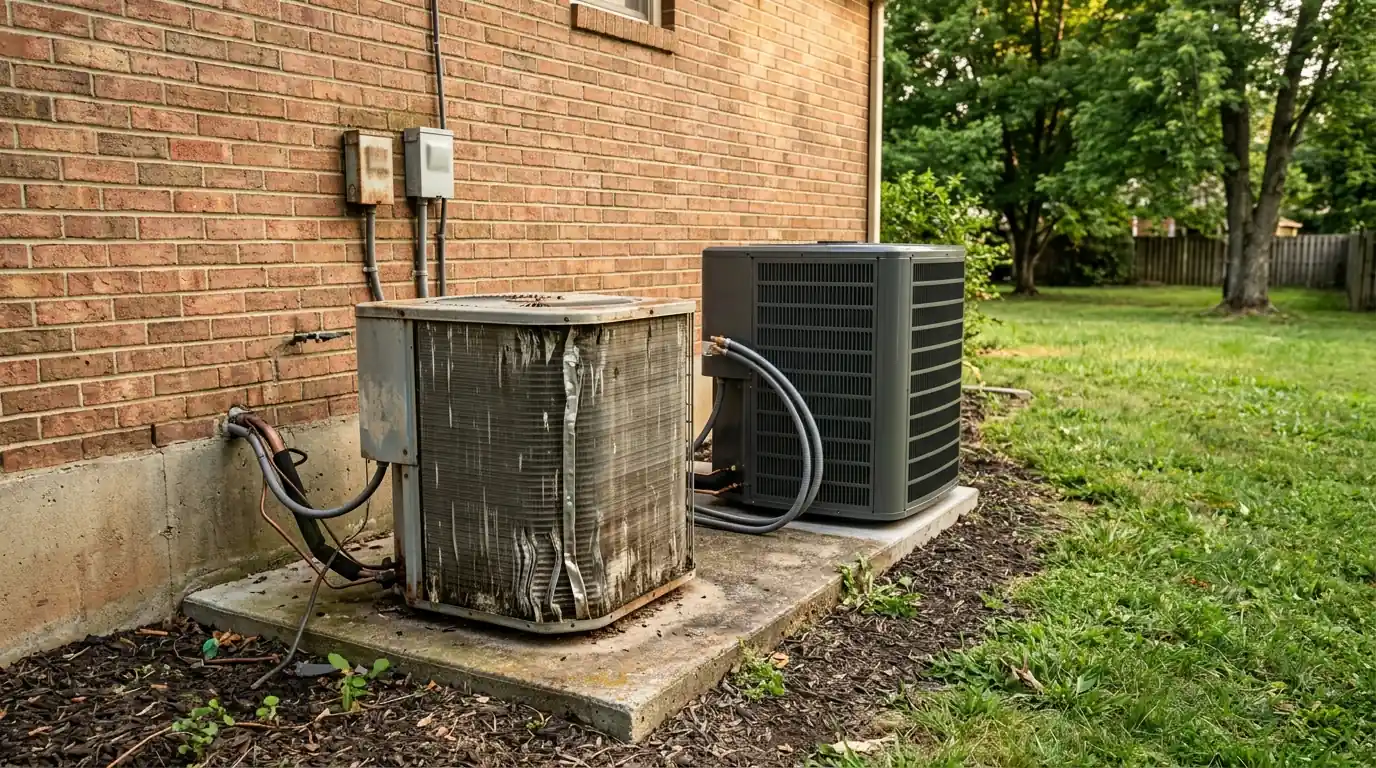
Short answer: Repair or replace an aging AC, furnace or heat pump
Replace an AC, furnace or heat pump when it is past about two thirds of its expected life and the repair costs more than a third of a new system, when it runs on R-22 refrigerant, or when a furnace heat exchanger is cracked. Repair it when the equipment is under about 10 years old, the fix is one wear part, and the house stays comfortable.
Start with the age, then weigh the repair against it
Most repair or replace decisions come down to two numbers: how old the equipment is and what the repair costs compared with a new system. A $289 capacitor on a 14-year-old air conditioner is an easy yes. A $2,860 compressor on the same unit is a different conversation, because you would be putting a new heart into a system where every other part is just as worn.
A rough rule we use: multiply the age of the equipment by the repair cost. If the result passes about 5,000, replacement deserves a serious look. It is a starting point, not a verdict. A well-kept furnace in a dry basement can outlast a heat pump that has sat outdoors through 15 Kentucky summers and winters, and neither number says anything about how comfortable the house actually feels.
Find the age on the data plate, not from memory. The serial number on the outdoor unit or furnace usually encodes the manufacture year, and we can read it for any brand we service, from Carrier and Trane to Goodman and Rheem. The rest of this post covers the factors that push the decision one way or the other, so the quote in front of you makes more sense before you sign anything.
How long heating and cooling equipment lasts in central Kentucky
These ranges assume regular maintenance. Heat pumps sit at the short end because in Lexington they work hard in both seasons instead of resting half the year.
| Equipment | Typical life here | What usually ends it |
|---|---|---|
| Central air conditioner | 12 to 17 years | Compressor failure or a leaking coil |
| Air-source heat pump | 10 to 15 years | Compressor wear from year-round use |
| Gas furnace | 15 to 22 years | Cracked heat exchanger or failed controls |
| Hot water boiler | 20 to 30 years | Leaking or corroded heat exchanger |
| Ductless mini split | 12 to 18 years | Compressor or control board failure |
Signs that point toward replacing rather than repairing
Any one of these can settle the question on its own. Two or more almost always do.
R-22 refrigerant in the system
R-22 has been out of production since 2020, so every recharge uses scarce reclaimed stock. A leak repair plus recharge on an R-22 system often costs more than the equipment is worth.
A cracked furnace heat exchanger
A crack can let combustion gases, including carbon monoxide, into the air you breathe. On a furnace past 15 years old, a new heat exchanger rarely makes sense next to a new furnace.
Compressor failure on an older unit
Once the manufacturer parts warranty has run out, a compressor job can cost thousands of dollars, and the coil, fan motor and controls around it are the same age.
Repair visits every season
Two or three service calls a year on the same equipment add up quickly. When you are paying for fixes every summer and every winter, that money is better spent on new equipment.
Rooms that never get comfortable
If upstairs bedrooms run hot and the house stays sticky whatever the thermostat says, the equipment may be the wrong size or type. Replacement is the chance to correct that properly.
Utility bills creeping upward
Aging systems lose efficiency as coils foul, motors weaken and refrigerant slowly leaks. If KU or Columbia Gas bills rise year over year with the same habits, the equipment is often why.
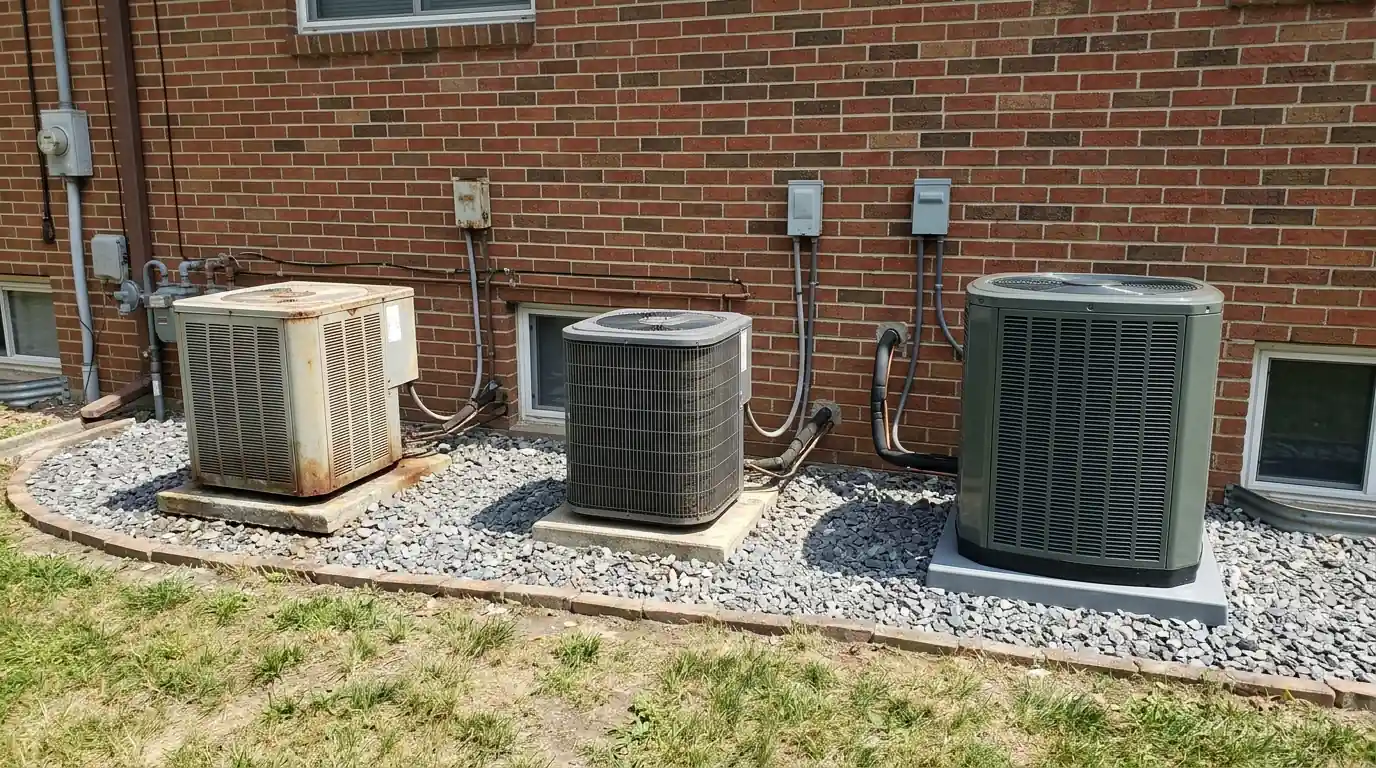
Questions to answer before you approve a major repair
Run through these with the quote in hand. They take a few minutes and usually make the answer obvious.
- How old is the equipment, going by the serial number on its data plate
- Which refrigerant does the outdoor unit use: R-22, R-410A or a newer A2L type
- Is the failed part still covered by the manufacturer parts warranty
- How many repair visits has this system needed in the last two years
- Were the outdoor unit and indoor coil installed together, or replaced separately
- Are there rooms that stay hot, cold or humid no matter the setting
- Are the ducts crushed, disconnected, unsealed or too small for the system
- Would this repair cost more than a third of a new system
What replacing a full system costs around Lexington in 2026
To put a big repair quote in context, this is the range we typically see for replacing a matched central air conditioner and gas furnace in a Lexington area home this year.
- System size and efficiency. A 2-ton system for a small ranch costs far less than a 5-ton variable-speed system for a large two-story home. Higher efficiency and two-stage equipment sit near the top of the range.
- Heat pump or dual fuel instead. Switching to a heat pump, or pairing one with a gas furnace, changes the equipment list and sometimes the electrical work needed at the panel and the outdoor disconnect.
- Ductwork condition. Leaky or undersized ducts in a crawlspace or attic may need sealing, added returns or partial replacement before new equipment can deliver its rated airflow.
- Access to the equipment. An air handler in a cramped attic or a crawlspace with low clearance takes more labor than a furnace sitting in an open, well-lit basement.
- Refrigerant line set. Older line sets may need replacing for a new A2L system, especially if they are undersized, corroded or run through finished walls where they cannot be inspected.
- Venting and electrical updates. High-efficiency furnaces vent through PVC pipe and need a condensate drain in place of the old metal flue, and some homes need a new breaker or circuit.
These are typical ranges, not a quote. We give you a written price after we look at the system, measure the house and check the ductwork. Compare typical prices for every service.
When fixing the system you have is the better call
Repair makes sense more often than people expect. A system under 10 years old with a failed capacitor, contactor, igniter, flame sensor or blower motor is almost always worth fixing. Those parts are designed to wear out, and replacing one puts the system back where it was. The same goes for a clogged condensate drain or a thermostat that has stopped talking to the equipment.
Look at the ducts before you decide anything. In many Lexington homes from the 1970s and 1980s, flex duct in the attic or crawlspace has sagged, crushed or pulled loose at the joints. New equipment attached to bad ducts still performs badly, so we check them and tell you when sealing the duct joints or a partial duct replacement belongs in the plan.
If you are leaning toward new equipment, our system replacement process page and our guide to choosing a heat pump or furnace are good next reads. When you have a repair quote you are unsure about, or a system that just quit in a heat wave or cold snap, call (859) 377-8167 at any hour. We will tell you plainly whether the repair is worth doing.
Follow-up questions readers ask
Is it worth repairing a 15-year-old air conditioner?
It depends on the repair. A capacitor, contactor or fan motor on a 15-year-old air conditioner is usually worth fixing, because those are wear parts and the cost is modest. A failed compressor or a leaking coil on the same unit is different: the repair can approach half the price of new equipment, and every other part is just as old. If the system uses R-22, replacement is almost always the better value.
If only my AC fails, does the furnace have to be replaced with it?
Often, yes, when both are near the same age. The indoor coil sits on top of the furnace and has to match the new outdoor unit, so replacing the air conditioner alone usually means a new coil anyway. Doing both at once gives you matched equipment, one installation and one round of duct and venting changes. If the furnace is under 10 years old and in good shape, keeping it can make sense.
Can I keep an R-22 heat pump running by recharging it?
For a while, but every recharge uses reclaimed R-22, which is scarce and priced to match, and adding refrigerant without fixing the leak means paying again next season. Heat pumps run all year here, so a slow leak also shows up as weak heat during cold snaps. For most R-22 heat pumps, replacement costs less over the next few years than chasing leaks.
More from the Comfort Blog
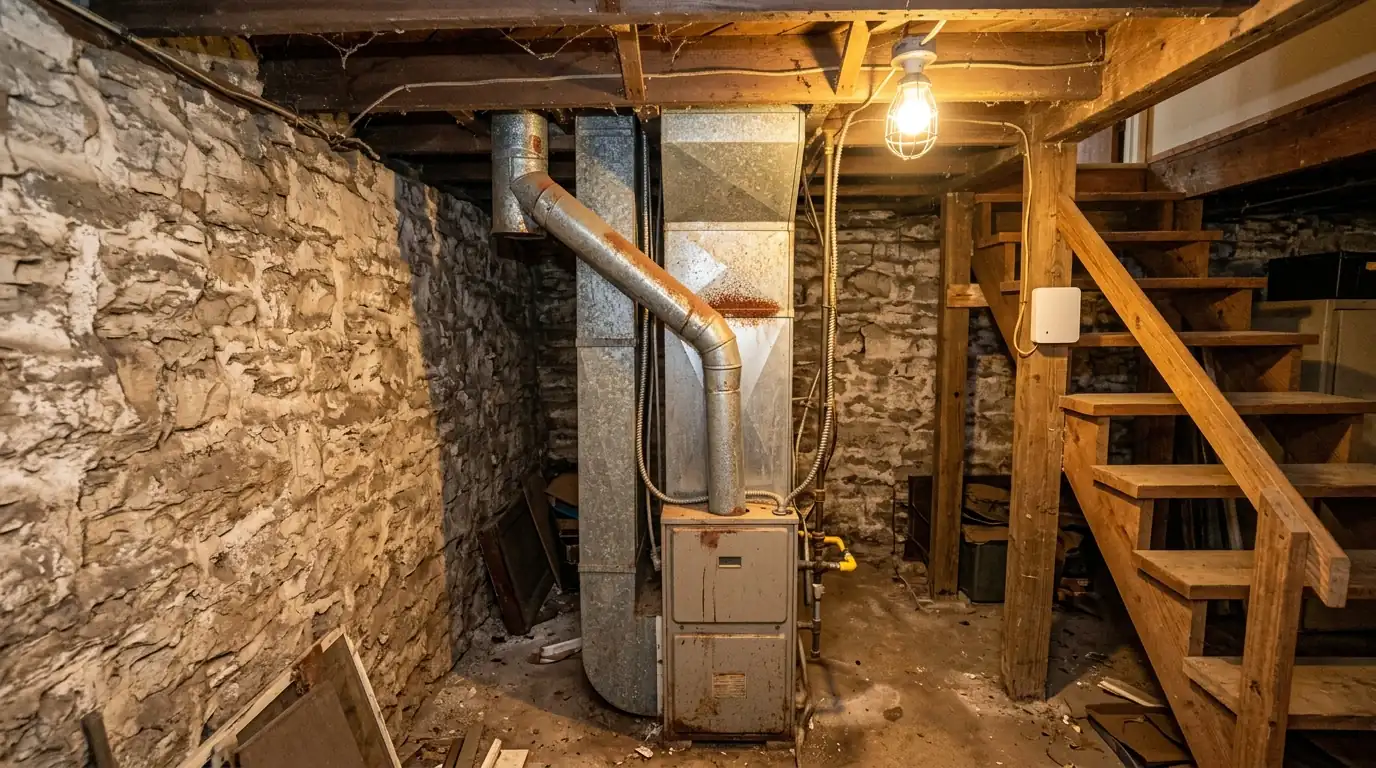
Furnace smells and carbon monoxide: when to leave
Some furnace smells are harmless and fade within the hour. Others mean shut the system off, and a few mean get everyone out of the house first and ask questions later.
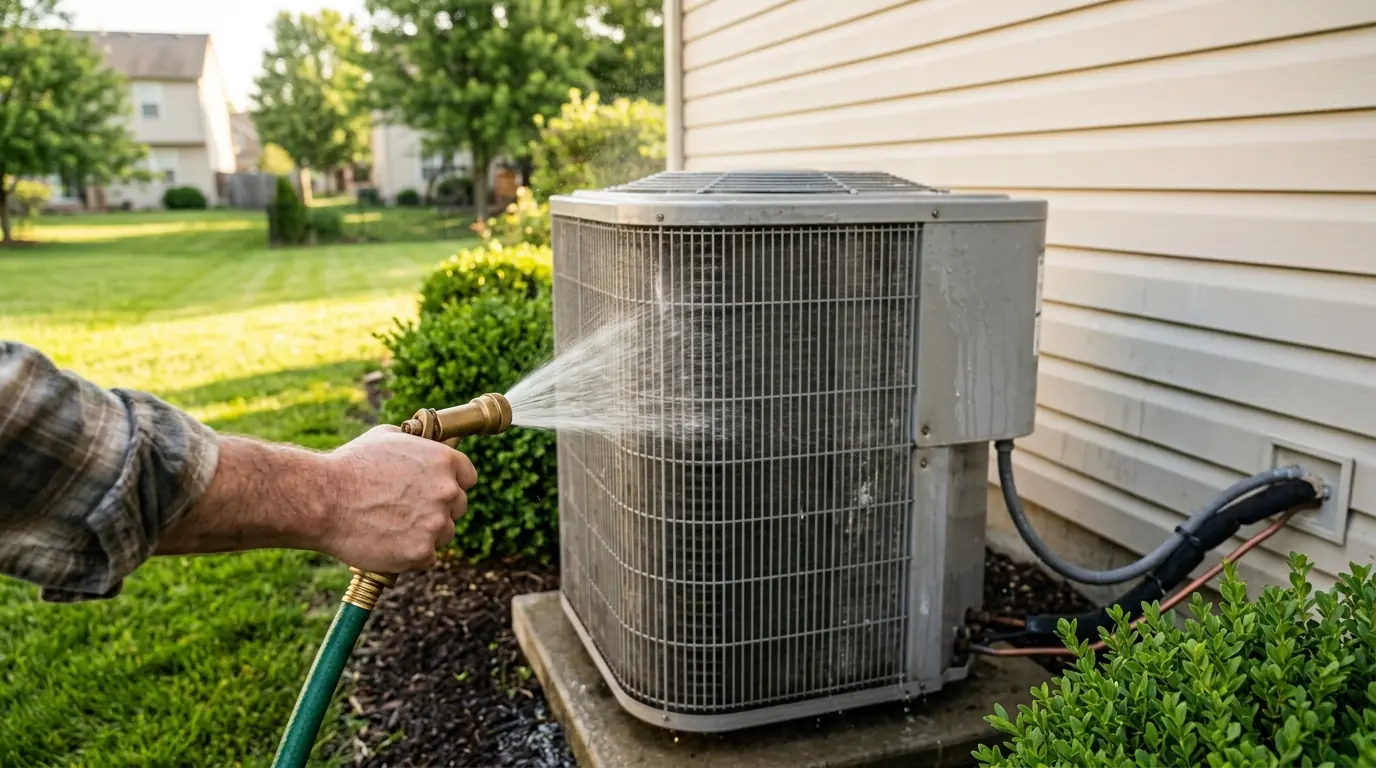
Get your AC ready before the first hot, humid week
The first stretch of 85-degree, sticky days is when weak capacitors, clogged drains and dirty coils give out. A short homeowner checklist and one test run catch most of it early.
Central air for older Lexington homes without ducts
Plaster walls, radiators and tight attics make conventional ductwork hard to fit in Lexington houses from the 1910s to the 1940s. These are the cooling options that actually work in them.
Want a technician to look at it?
Call (859) 377-8167 any hour and describe what you are seeing. We will tell you what to check now and what needs a visit.